7 Natural Immunity Boosters You Need to Try Today
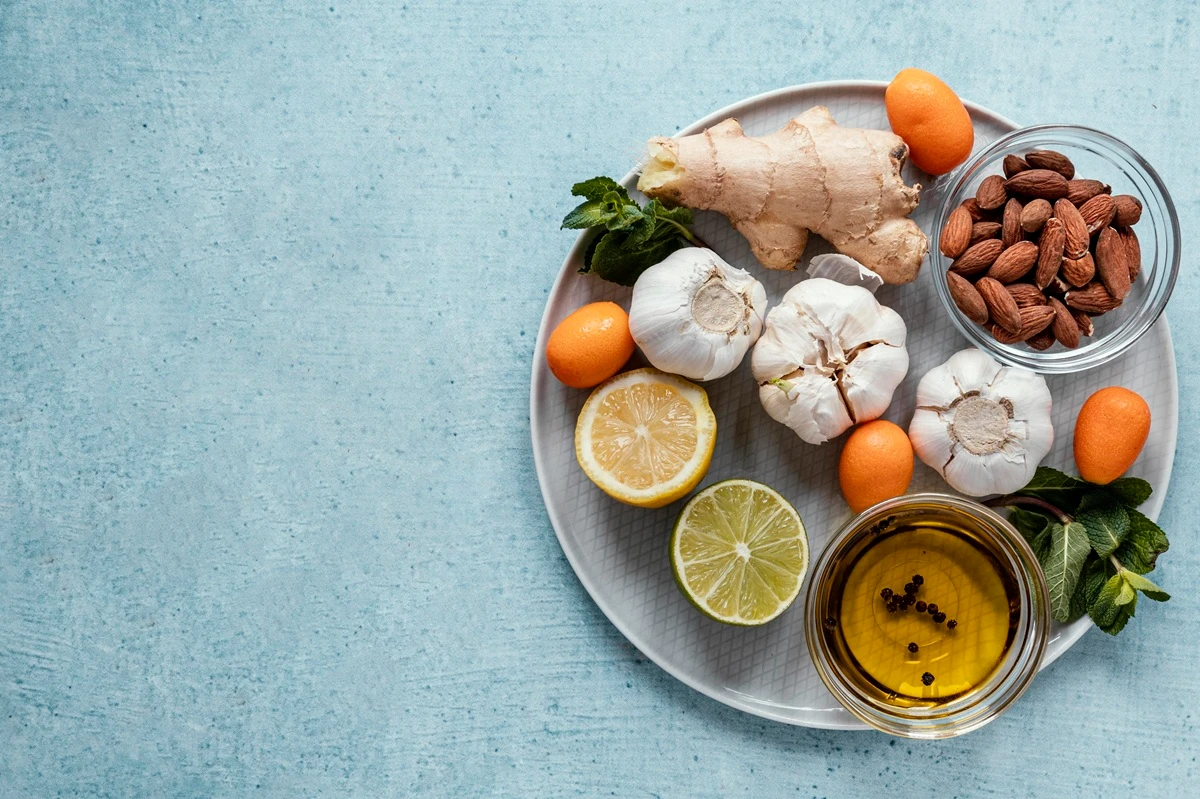






Your immune system works 24/7 to protect you from harmful bacteria, viruses, and other threats. Yet many people don't realize that simple, natural choices can make a huge difference in how well their immunity functions. Building a strong immune system doesn't require expensive supplements or complex routines. The secret lies in understanding which natural immunity boosters can truly support your body's defense mechanisms.
This guide will walk you through seven powerful, science-backed natural immunity boosters that you can easily incorporate into your daily routine. You'll discover how these simple additions to your lifestyle can help strengthen your immune system naturally and effectively.
Your immune system is a complex network of cells, tissues, and organs that work together to defend your body against harmful invaders. Think of it as your body's personal security team. This system includes white blood cells, antibodies, and various organs like your spleen and lymph nodes.
A well-functioning immune system helps you recover faster from illness and may reduce your risk of getting sick in the first place. When your immunity is strong, your body can better identify and eliminate threats before they cause problems.
Natural immune support focuses on giving your body the tools it needs to function optimally. Unlike quick fixes, natural approaches work with your body's existing systems. They help create lasting improvements in your overall health and wellness.
Probiotics are beneficial bacteria that live in your digestive system. The most common types include Lactobacillus and Bifidobacterium strains. These friendly bacteria help maintain the balance in your gut, which directly impacts your immune function.
You can find probiotics for immunity in fermented foods like yogurt, kefir, sauerkraut, and kimchi. These foods contain live cultures that can help populate your gut with beneficial bacteria. Fermented vegetables and drinks like kombucha are also excellent sources.
Your gut houses about 70% of your immune system. Probiotics help strengthen the gut barrier and communicate with immune cells. They also help crowd out harmful bacteria that could make you sick.
Prebiotics are special types of fiber that feed the good bacteria in your gut. Think of them as food for your probiotics. They help beneficial bacteria grow and thrive in your digestive system.
Some of the best prebiotic fiber sources include garlic, onions, bananas, asparagus, and oats. Jerusalem artichokes and chicory root are particularly rich in prebiotic compounds. These foods are easy to add to your regular meals.
When you combine prebiotics and probiotics, they work together to create a stronger immune system. The prebiotics help the probiotics survive and multiply in your gut. This partnership creates a more diverse and healthy gut microbiome.
Did You Know? The gut microbiome plays a crucial role in your immune system. About 70% of your immune system is located in your gut!
Vitamin C is one of the most important nutrients for immune function. It helps white blood cells work more effectively and acts as a powerful antioxidant. This vitamin also helps your body absorb iron, which is essential for healthy immune cells.
Citrus fruits like oranges and grapefruits are well-known sources of Vitamin C. However, bell peppers, strawberries, broccoli, and kiwi fruit actually contain even higher amounts. Including a variety of these foods ensures you get plenty of this immunity booster.
Adults need about 75-90 mg of Vitamin C daily. This amount is easily achievable through food sources. One medium orange provides about 70 mg, while one cup of chopped red bell pepper gives you over 190 mg.
Zinc plays a vital role in immune cell development and communication. This mineral helps wounds heal faster and supports the function of T-cells, which are crucial for fighting infections.
Oysters contain the highest amount of zinc, but other good sources include beef, pork, chicken, beans, and nuts. Pumpkin seeds and cashews are excellent plant-based options for getting zinc into your diet.
While food sources are preferred, some people may need zinc supplements. However, too much zinc can actually weaken immunity. It's important to stay within recommended amounts and consult with a healthcare provider before adding supplements.
Garlic contains allicin, a sulfur compound that has antimicrobial properties. Onions contain quercetin, a flavonoid that helps reduce inflammation. Both vegetables also contain prebiotic compounds that support gut health.
Add fresh garlic to stir-fries, roasted vegetables, or homemade dressings. Raw garlic provides the most allicin, so try adding it to finished dishes. Onions can be caramelized, added to soups, or eaten raw in salads for maximum benefit.
Beyond immune support, garlic and onions may help reduce inflammation and support heart health. They're also low in calories but high in flavor, making them excellent additions to any healthy diet.
Green tea contains powerful antioxidants called catechins, particularly EGCG (epigallocatechin gallate). These compounds help protect cells from damage and support overall immune function.
The antioxidants in green tea help reduce inflammation throughout the body. Green tea also contains L-theanine, an amino acid that may help boost the infection-fighting capacity of T-cells.
Drinking 2-3 cups of green tea daily can provide immune benefits. To preserve the beneficial compounds, brew your tea with water that's not quite boiling (around 175-185°F) and steep for 3-5 minutes.
Turmeric contains curcumin, which has strong anti-inflammatory effects. Ginger contains gingerol, another compound that helps reduce inflammation. Both spices help modulate immune responses and may help your body fight off infections more effectively.
Add fresh ginger to smoothies, teas, or stir-fries. Turmeric works well in curries, golden milk, or roasted vegetables. Both spices can be consumed fresh, dried, or as supplements, though superior ingredients, highly absorbable formats, palatable flavors make the biggest difference in effectiveness.
When used together, turmeric and ginger may have enhanced anti-inflammatory effects. Adding black pepper to turmeric dishes can increase curcumin absorption by up to 2000%.
Sleep is when your body repairs and regenerates immune cells. Adults need 7-9 hours of quality sleep each night for optimal immune function. Poor sleep can make you more susceptible to infections and slow recovery times.
Chronic stress weakens immune function by increasing cortisol levels. Regular meditation, deep breathing exercises, or yoga can help manage stress levels. Even short walks in nature can help reduce stress hormones.
Moderate exercise boosts immune function by improving circulation and reducing inflammation. Aim for 150 minutes of moderate activity per week. However, intense exercise can temporarily suppress immunity, so balance is key.
The best approach to natural immune support involves combining multiple immunity boosters rather than focusing on just one. A diverse diet that includes probiotics, prebiotics, and various nutrients provides the most comprehensive support.
Start your day with yogurt topped with berries and a sprinkle of turmeric. For lunch, try a salad with plenty of colorful vegetables and a garlic-based dressing. Dinner could include grilled chicken with roasted vegetables and a cup of green tea to finish.
Plan your meals ahead to ensure you include a variety of immune-supporting foods. Keep healthy snacks like nuts and fruits readily available. Remember that consistency matters more than perfection when it comes to supporting your immune system.
No, boosting immunity is a gradual process that requires consistent healthy habits over time. While some practices may have short-term benefits, true immune system strengthening takes weeks to months of sustained effort.
While a balanced diet should provide most necessary nutrients, some people may benefit from supplements. However, it's always best to consult with a healthcare professional before starting any supplement regimen.
Chronic stress can weaken the immune system by increasing inflammation and reducing the body's ability to fight off pathogens. Managing stress through techniques like meditation, exercise, and adequate sleep can help support immune function.
Yes, overstimulating the immune system can potentially lead to autoimmune issues. It's important to focus on balance and moderation when implementing immune-boosting strategies.
These seven natural immunity boosters offer practical, science-backed ways to support your immune system. From probiotic-rich foods and prebiotic fiber sources to vitamin-packed fruits and anti-inflammatory spices, each plays a unique role in strengthening your body's defenses. Remember that building strong immunity requires a holistic approach that combines good nutrition, adequate sleep, stress management, and regular exercise. By incorporating these natural immunity boosters into your daily routine, you're taking meaningful steps toward better health and wellness. Explore more about how gut health and natural detoxification can further support your journey to optimal wellness.



 DOWNLOAD NOW

