Chia Seeds Protein: Your Complete Nutrition Guide
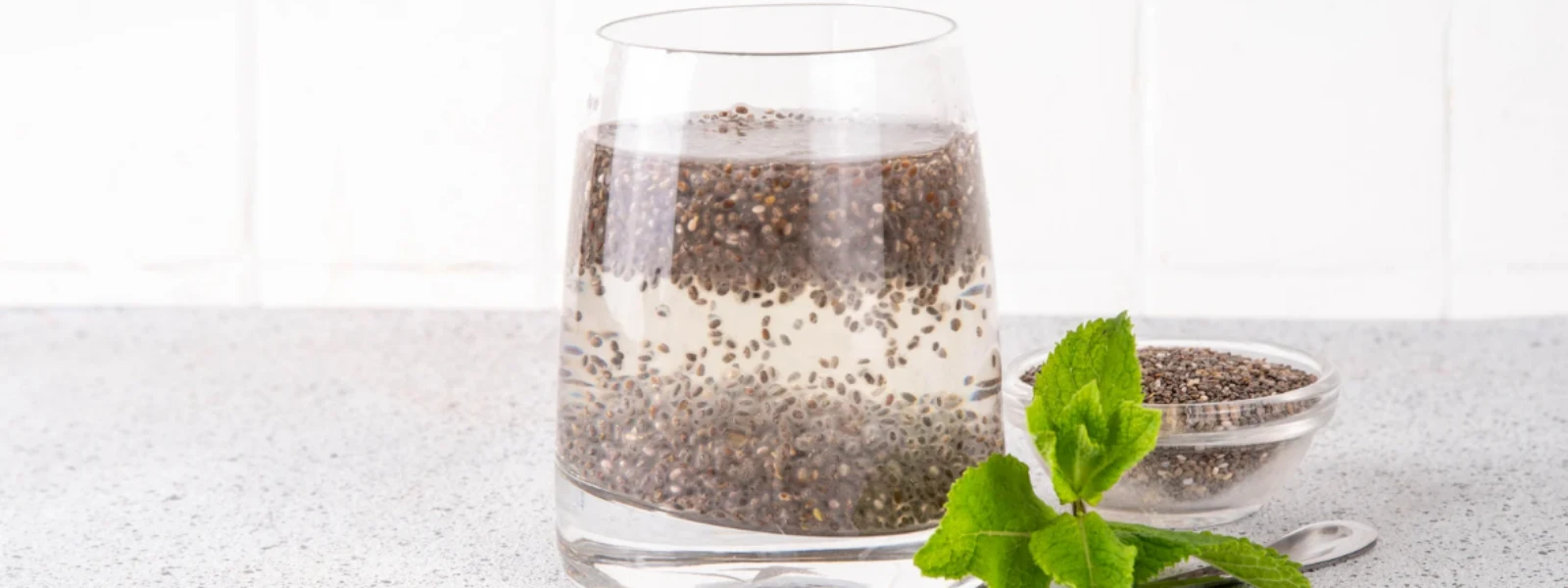


Chia seeds have emerged as a nutritional powerhouse, packed with essential nutrients that support overall health. These tiny black and white seeds contain a surprising amount of protein, making them an excellent addition to any diet. Understanding the complete protein profile of chia seeds can help you make informed decisions about incorporating them into your daily nutrition routine.
This comprehensive guide explores everything you need to know about chia seeds protein content, their role in gut health, and how to maximize their nutritional benefits. You'll discover exact protein measurements, learn about their complete amino acid profile, and understand how these seeds support detoxification and digestive wellness.
Chia seeds contain approximately 4.7 grams of protein per ounce (28 grams), making them a valuable plant based protein source. To put this in perspective, one tablespoon of chia seeds provides about 1.6 grams of protein, while one teaspoon contains roughly 0.5 grams.
What makes chia seeds protein particularly valuable is its completeness. These high protein seeds contain all nine essential amino acids that your body cannot produce on its own. This complete amino acid profile is rare among plant-based foods, making chia seeds an excellent choice for vegetarians and vegans seeking quality protein sources.
The protein in chia seeds is highly digestible, with studies showing good bioavailability when properly prepared. Soaking chia seeds before consumption can enhance protein absorption and make nutrients more accessible to your digestive system.
When compared to other high protein seeds, chia seeds hold their own remarkably well. Hemp seeds contain slightly more protein at 5 grams per tablespoon, while pumpkin seeds provide about 2.5 grams per tablespoon. However, chia seeds offer the advantage of being a complete protein source with additional benefits like high fiber and omega-3 content.
Beyond protein, chia seeds nutrition extends to numerous other beneficial compounds. One ounce of chia seeds contains approximately 12 grams of carbohydrates, with an impressive 10 grams coming from fiber. This high chia seeds fiber content supports digestive health and helps maintain stable blood sugar levels.
Chia seeds are also rich in chia seeds omega 3 fatty acids, specifically alpha-linolenic acid (ALA). One ounce provides about 5 grams of omega-3s, which support heart health and reduce inflammation throughout the body. These essential fatty acids work synergistically with the protein content to support overall wellness.
The mineral profile of chia seeds is equally impressive. They contain significant amounts of calcium, magnesium, and phosphorus, all essential for bone health and muscle function. The combination of protein and these minerals makes chia seeds particularly beneficial for active individuals and those looking to support their fitness goals.
Did You Know?
Chia seeds can absorb up to 12 times their weight in water, creating a gel-like consistency that slows digestion and helps you feel fuller longer. This property enhances the protein's satiety effect and supports steady energy release throughout the day.
The high fiber content in chia seeds makes them excellent detox seeds for supporting natural cleansing processes. The soluble fiber forms a gel when mixed with water, which helps sweep toxins and waste through the digestive system more efficiently.
Chia seeds for gut health work through multiple mechanisms. The fiber acts as a prebiotic, feeding beneficial bacteria in your gut microbiome. This supports a healthy balance of intestinal flora, which is essential for proper digestion, immune function, and even mood regulation.
When you cleanse with chia seeds, you're supporting your body's natural detoxification pathways. The gel-forming property helps bind to toxins and facilitates their removal through regular bowel movements. This gentle cleansing action makes chia seeds suitable for daily consumption without the harsh effects of some detox products.
The combination of protein and fiber in chia seeds creates an ideal environment for digestive health. The protein helps maintain and repair the intestinal lining, while the fiber promotes regular bowel movements and prevents constipation. This dual action supports overall gut integrity and function.
To get the most from chia seeds protein and other nutrients, proper preparation is key. Soaking chia seeds for at least 15 minutes before consumption allows them to form their characteristic gel and makes nutrients more bioavailable. This preparation method also reduces the risk of digestive discomfort that some people experience with dry seeds.
Simple chia seed recipes can help you incorporate these nutritious seeds into your daily routine. Try mixing soaked chia seeds into smoothies, yogurt, or oatmeal for a protein boost. You can also create chia puddings by combining seeds with plant milk and letting them gel overnight.
For those following specific dietary goals, chia seeds can be particularly beneficial. The plant based protein makes them suitable for vegetarian and vegan diets, while their low glycemic impact supports weight management goals. The combination of protein, fiber, and healthy fats helps maintain stable energy levels throughout the day.
Most nutrition experts recommend consuming 1-2 tablespoons of chia seeds daily, which provides 3-6 grams of protein along with other essential nutrients. Start with smaller amounts if you're new to chia seeds, gradually increasing to allow your digestive system to adjust to the high fiber content.
One tablespoon of chia seeds contains approximately 1.6 grams of complete protein, along with all nine essential amino acids your body needs for optimal function.
Yes, chia seeds are an excellent plant based protein source because they provide complete protein with all essential amino acids, unlike many other plant proteins that are incomplete.
Daily consumption of 1-2 tablespoons of chia seeds is generally safe and beneficial for most people, providing consistent protein intake along with fiber and omega-3 fatty acids.
Chia seeds support gut health through their high fiber content, which acts as a prebiotic to feed beneficial gut bacteria and promotes regular bowel movements for natural detoxification.
Soaking chia seeds in water or plant milk for 15-30 minutes before consumption enhances protein absorption and makes the nutrients more bioavailable to your body.
Chia seeds offer an impressive combination of complete protein, fiber, and omega-3 fatty acids that support overall health and wellness. Their role in gut health and natural detoxification makes them valuable additions to any nutrition plan. By understanding proper preparation methods and daily consumption guidelines, you can maximize the chia seeds benefits and support your health goals naturally. Whether you're looking to increase your plant based protein intake or support digestive wellness, chia seeds provide a simple, versatile solution that fits easily into daily routines.




Someone sent you
Powered by ReferRush


