Collagen vs Protein: Structural Differences Revealed
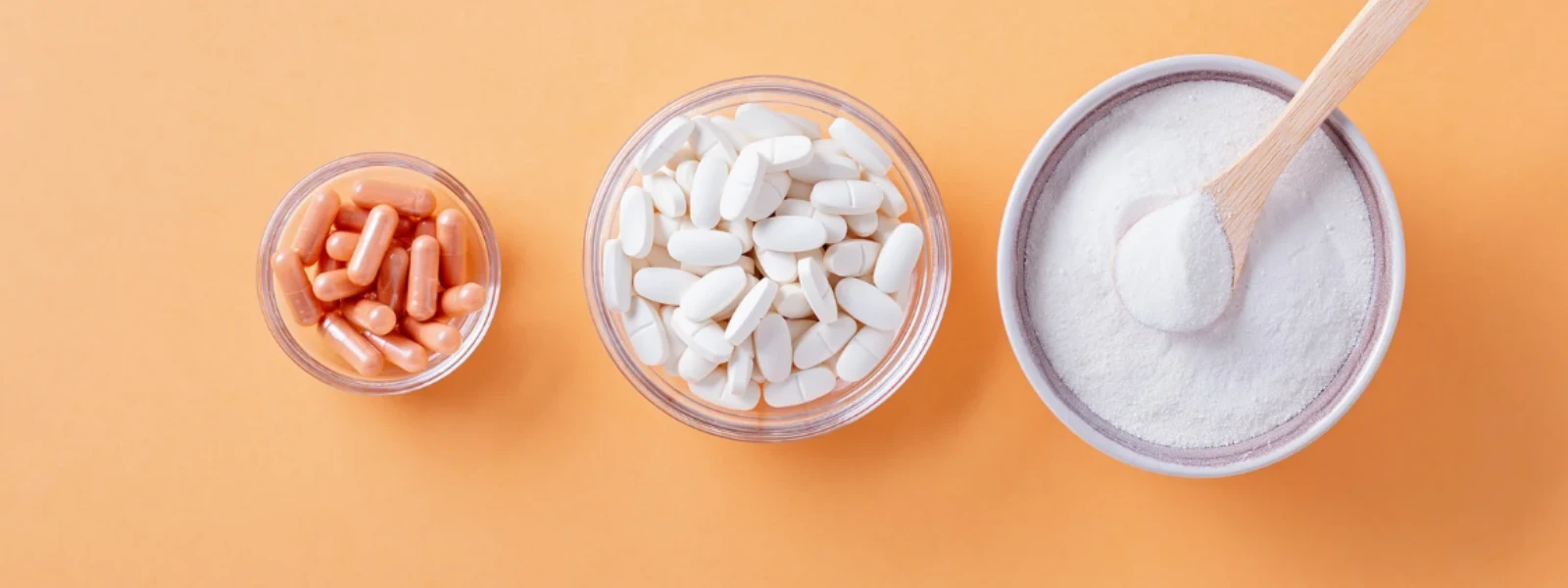


Have you ever wondered what makes collagen different from other proteins in your body? While most proteins fold into compact, globular shapes, collagen stands apart with its unique structure that resembles a twisted rope. This distinctive architecture isn't just fascinating from a scientific perspective—it's the key to understanding why collagen plays such a crucial role in maintaining healthy skin, joints, and gut lining.
Understanding what collagen looks like at both molecular and tissue levels reveals why this protein is essential for structural support throughout your body. From its microscopic triple helix formation to its visible effects on skin elasticity and joint flexibility, collagen's appearance tells the story of its function.
When scientists first examined collagen under powerful microscopes, they discovered something remarkable. Unlike other proteins that fold into compact balls, collagen looks like a twisted rope made of three separate strands wound together. This structure is called a triple helix, and it's what makes collagen the strongest protein in your body.
Picture three garden hoses twisted together, or imagine how a rope is made by braiding multiple strands. That's essentially what collagen molecules look like at the microscopic level. Each of the three strands, called polypeptide chains, contains a repeating pattern of amino acids—primarily glycine, proline, and hydroxyproline.
The collagen structure is so precise that every third amino acid must be glycine, the smallest amino acid. This allows the three chains to pack tightly together without bumping into each other. The proline and hydroxyproline amino acids create kinks in each chain, giving collagen its characteristic twisted appearance.
This triple helix structure extends for about 300 nanometers in length, making collagen molecules much longer and thinner than typical globular proteins. While most proteins look like compact spheres under a microscope, collagen molecules appear as long, thin rods with a distinctive striped pattern when viewed at high magnification.
Did You Know?
Collagen's triple helix structure is so stable that it can withstand temperatures up to 40°C (104°F) before beginning to unravel. This thermal stability is why collagen-rich foods like bone broth gel when cooled—the collagen molecules maintain their structure even after cooking.
The journey from individual collagen molecules to the strong tissues in your body involves multiple levels of organization. Individual collagen molecules don't work alone—they bundle together like logs in a raft to form larger structures called collagen fibrils.
These fibrils appear under electron microscopes as rope-like bundles with a characteristic banded pattern. The bands occur because collagen molecules are staggered, like bricks in a wall, creating gaps and overlaps that show up as alternating light and dark stripes.
Multiple fibrils then group together to form collagen fibers, which are visible to the naked eye in tissues like tendons and ligaments. This hierarchical assembly—from molecules to fibrils to fibers—creates the incredible tensile strength that allows collagen to support your body's structure.
Cross-linking between collagen molecules further strengthens this network. As you age, these cross-links become more numerous and rigid, which explains why older collagen appears less flexible and more brittle than young collagen.
The way collagen looks and feels varies dramatically depending on where it's found in your body. There are at least 28 different types of collagen, but three main types make up about 90% of your body's collagen supply.
Type I collagen, the most abundant form, appears as strong, flexible fibers in your skin, bones, and tendons. In skin tissue, Type I collagen creates a mesh-like network that provides elasticity and strength. When you look at healthy skin under magnification, you can see these collagen fibers arranged in a basket-weave pattern that allows for stretch and recoil.
Type II collagen has a different appearance altogether. Found primarily in cartilage, it forms a more gel-like matrix that appears smoother and more uniform than the fibrous Type I collagen. This structure allows cartilage to compress and spring back, providing cushioning for your joints.
Type III collagen often appears alongside Type I collagen but forms thinner, more delicate fibers. You'll find this type in blood vessels, organs, and young skin. It creates a fine network that supports the structure of hollow organs and provides flexibility to blood vessel walls.
Age-related changes in collagen structure become visible both under the microscope and on your skin's surface. Young collagen appears as well-organized, flexible fibers with regular spacing and minimal cross-linking. The collagen molecules maintain their proper alignment, creating smooth, elastic tissues.
As you age, collagen production slows down, and existing collagen begins to fragment and cross-link irregularly. Under microscopic examination, aged collagen appears more disorganized, with broken fibers and increased cross-linking that makes the structure rigid and less flexible.
These structural changes manifest as visible signs of aging: wrinkles form where collagen has lost its elasticity, joints become stiffer as cartilage collagen degrades, and wounds heal more slowly as the body struggles to produce new, organized collagen fibers.
When you open a container of collagen supplements, you'll typically find a fine, white or off-white powder that dissolves easily in liquids. This appearance is quite different from the long, rope-like collagen molecules found in your body, and there's a good reason for this difference.
Most collagen supplements contain hydrolyzed collagen, also called collagen peptides. The hydrolysis process breaks down the large collagen molecules into smaller fragments, which is why the powder looks nothing like the fibrous collagen in your tissues. These smaller peptides are much easier for your digestive system to absorb and utilize.
When you mix collagen powder with liquid, you might notice it creates a slightly thick or gel-like consistency, especially when cooled. This happens because some of the collagen peptides can still form weak bonds with each other, though nothing like the strong triple helix structure of intact collagen.
The source of your collagen supplement affects its appearance and properties. Marine collagen, derived from fish skin and scales, typically produces a finer powder with less odor and taste. Bovine collagen, from cow hides and bones, may have a slightly coarser texture and more noticeable taste. Both types provide beneficial amino acids, but marine collagen is often preferred for its superior bioavailability.
The key difference between collagen peptides and whole collagen lies in molecular size and structure. Whole collagen maintains its triple helix structure and large molecular weight, making it difficult for your digestive system to break down and absorb.
Collagen peptides, created through controlled hydrolysis, have much smaller molecular weights—typically between 2,000 and 5,000 daltons compared to whole collagen's 300,000 daltons. This dramatic size reduction allows the peptides to pass through your intestinal wall and enter your bloodstream more efficiently.
Under a microscope, collagen peptides appear as short, irregular fragments rather than the long, organized fibers of whole collagen. While this might seem like a disadvantage, these smaller pieces actually serve as building blocks that your body can use to synthesize new collagen where it's needed most.
The relationship between collagen structure and gut health becomes clear when you understand how your intestinal lining works. Your gut lining consists of a single layer of cells held together by tight junctions, and collagen provides crucial structural support for this delicate barrier.
The amino acids in collagen—particularly glycine, proline, and glutamine—play specific roles in maintaining gut integrity. Glycine helps reduce inflammation in the digestive tract, while proline supports the synthesis of new collagen fibers in the intestinal wall. Glutamine serves as fuel for intestinal cells and helps maintain the tight junctions between cells.
When your gut lining lacks adequate collagen support, it can become permeable, allowing toxins and undigested food particles to pass through. This condition, often called leaky gut, can trigger inflammatory responses throughout your body. Supporting collagen production in your gut helps maintain this crucial barrier function.
Collagen also supports your body's natural detoxification processes. The amino acid glycine, abundant in collagen, plays a key role in Phase II liver detoxification, helping your body neutralize and eliminate toxins. Additionally, collagen supports the health of blood vessel walls, ensuring efficient transport of nutrients and waste products throughout your body.
Expert Tip
The gut-skin connection is real and largely mediated by collagen. When your digestive system is healthy and well-supported with adequate collagen, it shows in your skin's appearance. A healthy gut can better absorb the nutrients needed for collagen synthesis, creating a positive feedback loop for overall health.
In your body, collagen appears as long, rope-like fibers made of three twisted strands. Under a microscope, these fibers show a distinctive banded pattern and can be seen forming networks in skin, tendons, and other tissues. The exact appearance varies by tissue type, with skin collagen forming basket-weave patterns and cartilage collagen creating more uniform, gel-like structures.
High-quality collagen supplements typically appear as fine, uniform powder that dissolves completely in liquids without clumping. The powder should be nearly odorless and tasteless, with a white or slightly off-white color. Quality supplements will also have third-party testing certificates and clear labeling of the collagen source and peptide size.
The appearance of collagen powder can indicate quality, but the most important factor is the molecular structure of the peptides inside. Hydrolyzed collagen peptides with smaller molecular weights (2,000-5,000 daltons) are more bioavailable regardless of how the powder looks. However, powder that clumps excessively or has an unusual color may indicate processing issues that could affect potency.
Collagen's unique amino acid profile, particularly its high glycine and proline content, provides specific building blocks needed for intestinal lining repair. The structure of collagen peptides allows them to be easily absorbed in the small intestine, where they can directly support the synthesis of new collagen in gut tissues and help maintain the integrity of the intestinal barrier.
While collagen peptides are absorbed within hours of consumption, structural changes in tissues take much longer. Most people begin noticing improvements in skin elasticity and joint comfort after 4-6 weeks of consistent supplementation. Significant structural improvements in collagen-rich tissues typically require 3-6 months of regular intake, as your body gradually replaces old, damaged collagen with new, healthy fibers.
Understanding what collagen looks like—from its microscopic triple helix structure to its appearance in different body tissues—reveals why this protein is so crucial for your health. The unique rope-like structure of collagen molecules creates the strength and flexibility needed to support everything from your skin's elasticity to your gut's barrier function. When choosing collagen supplements, remember that the hydrolyzed peptides may look different from whole collagen, but their smaller size makes them more bioavailable for supporting your body's natural collagen synthesis. Whether you're interested in maintaining healthy skin, supporting joint function, or optimizing gut health, understanding collagen's structure helps you make informed decisions about supplementation and appreciate the remarkable protein that literally holds your body together.




Someone sent you
Powered by ReferRush


