Essential Checklist: Boost Gut Microbiome Diversity
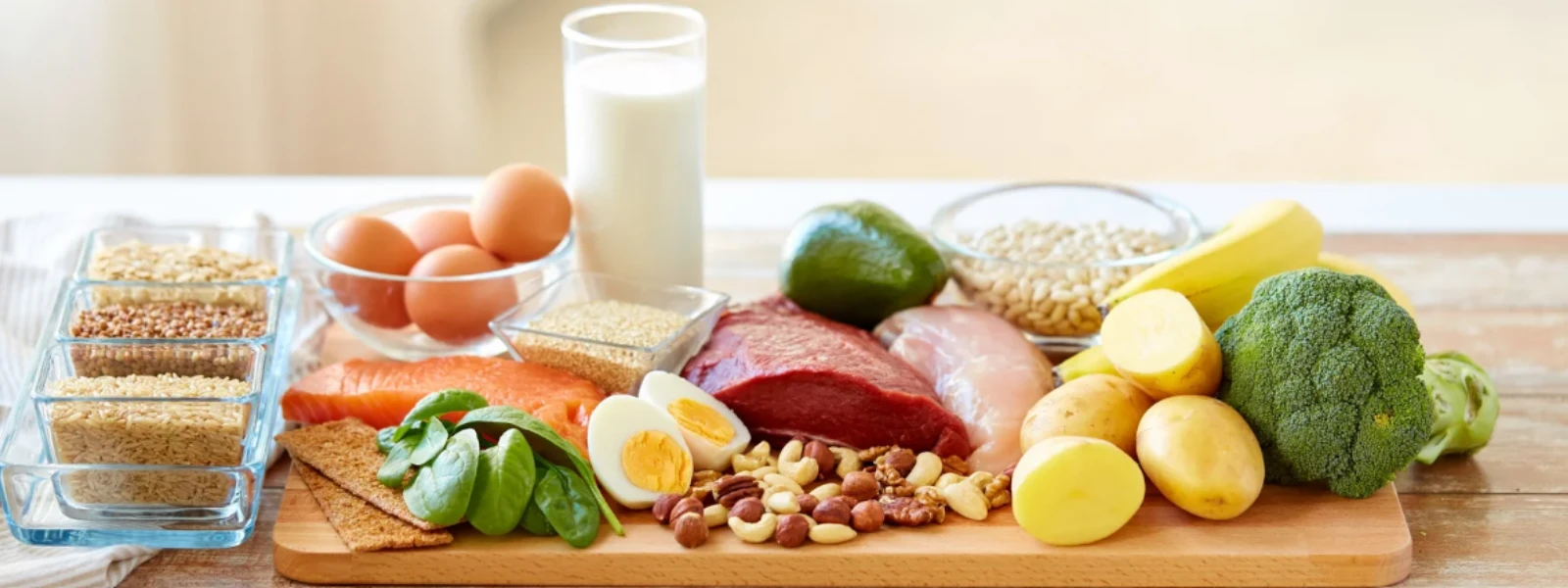


Your gut houses trillions of microorganisms that work around the clock to support your health. These tiny inhabitants, collectively known as your gut microbiome, play crucial roles in digestion, immunity, mood regulation, and even weight management. The diversity of these microbial communities directly impacts how well your body functions, making gut microbiome health a cornerstone of overall wellness.
Understanding how prebiotics affect gut microbiome diversity can transform your approach to digestive health. Unlike probiotics, which introduce new bacteria, prebiotics serve as specialized food that nourishes the beneficial bacteria already living in your gut. This targeted feeding strategy helps create a thriving ecosystem where good bacteria can flourish and outcompete harmful microorganisms.
This comprehensive guide will walk you through the science behind prebiotics, practical strategies to boost gut flora diversity, and actionable steps you can take today to optimize your gut microbiome balance. You'll discover evidence-based approaches to improve gut bacteria naturally and learn how to create lasting changes that support your digestive wellness journey.
Your gut microbiome consists of over 1,000 different species of bacteria, fungi, and other microorganisms. This complex ecosystem weighs approximately 2-3 pounds and contains more bacterial cells than human cells in your entire body. The diversity of these microorganisms determines how effectively your digestive system processes food, synthesizes vitamins, and maintains immune function.
Gut flora diversity refers to the variety and abundance of different microbial species in your intestinal tract. A diverse microbiome typically indicates better health outcomes, while reduced diversity often correlates with digestive issues, weakened immunity, and increased inflammation. Research shows that people with higher gut microbiome diversity tend to have better metabolic health and lower rates of chronic diseases.
Several factors can disrupt gut microbiome balance, including antibiotic use, processed foods, chronic stress, and lack of dietary fiber. When beneficial bacteria decline, harmful microorganisms can proliferate, leading to digestive discomfort, irregular bowel movements, and compromised immune function. Common signs of poor gut flora diversity include frequent digestive issues, food sensitivities, mood changes, and recurring infections.
The gut-brain axis demonstrates how gut microbiome health influences mental well-being. Beneficial bacteria produce neurotransmitters like serotonin and GABA, which regulate mood and stress responses. Additionally, a balanced gut microbiome supports the production of short-chain fatty acids, which provide energy for intestinal cells and help maintain the gut barrier function.
Prebiotics are non-digestible fibers that selectively stimulate the growth and activity of beneficial bacteria in your gut. Unlike probiotics, which introduce live microorganisms, prebiotics work by providing targeted nutrition to the good bacteria already present in your digestive system. This selective feeding mechanism allows beneficial species to thrive while creating an environment less favorable for harmful bacteria.
The effects of prebiotics on gut health occur through a process called fermentation. When beneficial bacteria consume prebiotic fibers, they produce short-chain fatty acids (SCFAs) like butyrate, acetate, and propionate. These compounds serve multiple functions: they nourish intestinal cells, strengthen the gut barrier, reduce inflammation, and help regulate immune responses throughout the body.
Scientific studies demonstrate that regular prebiotic consumption can significantly improve gut bacteria composition within 2-4 weeks. Research published in peer-reviewed journals shows that prebiotics benefits extend beyond digestive health, influencing metabolic function, immune system strength, and even cardiovascular health. The fermentation process also creates an acidic environment that inhibits the growth of pathogenic bacteria.
Did You Know?
Studies show that consuming 5-10 grams of prebiotics daily can increase beneficial bacteria populations by up to 100-fold within just two weeks, while simultaneously reducing harmful bacteria levels.
Different types of prebiotics target specific bacterial strains. Inulin primarily feeds Bifidobacterium species, while fructooligosaccharides (FOS) support both Bifidobacterium and Lactobacillus growth. This specificity allows you to tailor your prebiotic intake based on your individual gut health needs and goals.
The timeline for experiencing prebiotics and gut health benefits varies among individuals. Most people notice initial improvements in digestive comfort within 1-2 weeks, while significant changes in gut microbiome diversity typically occur after 4-8 weeks of consistent prebiotic consumption. Factors like current gut health status, diet quality, and lifestyle habits influence how quickly you'll see results.
Incorporating prebiotic foods into your daily diet provides a natural and sustainable way to support gut flora diversity. These foods contain various types of prebiotic fibers that feed different beneficial bacteria species, creating a more diverse and resilient gut microbiome.
Garlic, onions, and leeks belong to the allium family and contain high levels of inulin and fructooligosaccharides. These vegetables provide powerful prebiotic benefits while adding flavor to meals. Raw garlic contains the highest prebiotic content, but cooked versions still offer significant benefits. Aim to include at least one allium vegetable in your daily meals.
Asparagus stands out as an excellent source of inulin, containing approximately 2-3 grams per 100-gram serving. This versatile vegetable can be roasted, steamed, or grilled while maintaining its prebiotic properties. Jerusalem artichokes, also known as sunchokes, contain even higher inulin levels and can be prepared similarly to potatoes.
Resistant starch represents another important category of prebiotic foods. Green bananas, cooked and cooled potatoes, and cooked and cooled rice contain resistant starch that feeds beneficial bacteria in the large intestine. The cooling process after cooking increases resistant starch content, making these foods more effective for gut health.
Whole grains like oats, barley, and wheat bran provide beta-glucan fibers that support gut microbiome balance. These grains also contain other beneficial compounds like polyphenols that work synergistically with prebiotics to promote digestive health. Legumes such as lentils, chickpeas, and beans offer both prebiotic fibers and plant-based protein.
Fermented foods like kefir, yogurt, and sauerkraut contain natural prebiotics alongside beneficial bacteria. These foods provide a synbiotic effect, delivering both probiotics and the prebiotics needed to support their growth. Choose unsweetened, minimally processed versions for maximum gut health benefits.
Creating consistent daily habits that support gut microbiome diversity requires a comprehensive approach that addresses diet, lifestyle, and environmental factors. This practical checklist provides actionable steps you can implement immediately to improve gut bacteria and enhance overall digestive health.
Morning Routine for Gut Health: Start your day with a glass of water to support hydration and digestive function. Include prebiotic-rich foods in your breakfast, such as oats topped with sliced banana and berries. Consider adding ground flaxseed or chia seeds for additional fiber and omega-3 fatty acids that support gut health.
Hydration Strategy: Maintain adequate water intake throughout the day to support the mucosal lining of your intestines and facilitate proper digestion. Aim for 8-10 glasses of filtered water daily, adjusting based on activity level and climate. Herbal teas like ginger or peppermint can provide additional digestive support.
Meal Timing and Composition: Space meals 3-4 hours apart to allow your digestive system to complete processing between eating periods. Include a variety of colorful vegetables, whole grains, and lean proteins in each meal. The diversity of plant foods you consume directly correlates with gut microbiome diversity.
Stress Management Practices: Chronic stress significantly impacts gut microbiome balance through the gut-brain axis. Incorporate daily stress-reduction techniques such as deep breathing exercises, meditation, or gentle yoga. Even 10-15 minutes of mindful breathing can positively influence gut health.
Sleep Optimization: Maintain consistent sleep schedules and aim for 7-9 hours of quality sleep nightly. Poor sleep disrupts gut microbiome balance and can reduce beneficial bacteria populations. Create a relaxing bedtime routine and limit screen time before sleep to support both rest and gut health.
Movement and Exercise: Regular physical activity promotes gut motility and supports beneficial bacteria growth. Aim for at least 30 minutes of moderate exercise most days of the week. Activities like walking, swimming, or cycling can enhance gut microbiome diversity while supporting overall health.
While whole foods provide the foundation for gut health, gut health supplements can offer concentrated doses of specific prebiotic fibers that may be difficult to obtain through diet alone. Understanding the different types of prebiotic supplements helps you make informed decisions about which options best support your individual needs.
Inulin supplements derived from chicory root provide one of the most researched prebiotic fibers. This supplement specifically feeds Bifidobacterium species and can help improve gut microbiome balance within weeks of consistent use. Start with 2-3 grams daily and gradually increase to 5-10 grams to minimize digestive discomfort.
Fructooligosaccharides (FOS) supplements support both Bifidobacterium and Lactobacillus growth. These supplements often come in powder form and can be easily mixed into beverages or foods. FOS tends to be well-tolerated and provides gentle support for those new to prebiotic supplementation.
Galactooligosaccharides (GOS) offer unique benefits for gut detoxification by supporting the growth of bacteria that help eliminate toxins from the digestive system. These supplements may be particularly beneficial for individuals looking to support their body's natural detoxification processes through improved gut function.
When selecting prebiotic supplements, look for products that provide third-party testing results and clear labeling of prebiotic content. Choose supplements that specify the type and amount of prebiotic fibers included. Avoid products with unnecessary additives, artificial sweeteners, or fillers that may counteract the benefits of prebiotics.
Start with lower doses and gradually increase intake to allow your gut bacteria to adapt. Some people may experience temporary digestive changes when beginning prebiotic supplementation. These effects typically resolve within 1-2 weeks as your gut microbiome adjusts to increased fiber intake.
Optimizing gut microbiome diversity isn't always a smooth process. Understanding common challenges and how to address them helps ensure long-term success in your gut health journey. Many people experience temporary adjustments as their gut bacteria adapt to increased prebiotic intake.
Initial digestive discomfort, including gas or bloating, often occurs when increasing prebiotic consumption. This response indicates that beneficial bacteria are actively fermenting the prebiotic fibers. Reduce your prebiotic intake temporarily and gradually increase it over several weeks to minimize these effects.
Individuals with sensitive digestive systems may need to approach prebiotics more cautiously. Start with very small amounts (1-2 grams daily) and focus on gentler prebiotic sources like cooked vegetables rather than raw forms. Soluble fibers tend to be better tolerated than insoluble fibers for those with digestive sensitivities.
Positive signs that your gut microbiome is improving include more regular bowel movements, reduced digestive discomfort, increased energy levels, and improved mood stability. These changes typically become noticeable within 2-4 weeks of consistent prebiotic consumption and healthy lifestyle practices.
If you don't see improvements after 6-8 weeks, consider adjusting your approach. You may need to increase prebiotic variety, address other lifestyle factors like stress or sleep, or consult with a healthcare provider to rule out underlying digestive conditions that may require additional support.
Working with qualified healthcare providers can provide personalized guidance for complex gut health situations. They can help identify specific imbalances, recommend appropriate testing, and develop targeted strategies that address your individual needs while ensuring safe and effective gut health optimization.
Most people begin experiencing initial benefits from prebiotics within 1-2 weeks, including improved digestive comfort and regularity. Significant changes in gut microbiome diversity typically occur after 4-8 weeks of consistent prebiotic consumption. Individual results vary based on current gut health status, diet quality, and lifestyle factors.
The most effective prebiotic foods include garlic, onions, leeks, asparagus, Jerusalem artichokes, green bananas, cooked and cooled potatoes, oats, and legumes. Aim to include a variety of these foods daily to feed different beneficial bacteria species and promote maximum gut flora diversity.
Yes, prebiotics support gut detoxification by promoting the growth of beneficial bacteria that help eliminate toxins and waste products from the digestive system. The short-chain fatty acids produced during prebiotic fermentation also strengthen the gut barrier and support the liver's natural detoxification processes.
Prebiotics feed and strengthen the beneficial bacteria already present in your gut, while probiotics introduce new bacterial strains. Prebiotics provide a more sustainable approach by creating an environment where good bacteria can thrive long-term, whereas probiotic effects may be temporary without ongoing supplementation.
Common side effects include temporary gas, bloating, or changes in bowel movements as your gut bacteria adjust to increased fiber intake. These effects typically resolve within 1-2 weeks. Starting with smaller doses and gradually increasing intake can minimize these temporary adjustments.
Supporting gut microbiome diversity through strategic prebiotic consumption represents one of the most effective approaches to optimizing digestive health and overall wellness. The science clearly demonstrates how prebiotics affect gut microbiome diversity by selectively feeding beneficial bacteria and creating an environment where good microorganisms can flourish.
By incorporating prebiotic-rich foods into your daily routine, maintaining consistent healthy habits, and understanding how to troubleshoot common challenges, you can create lasting improvements in your gut health. Remember that building a diverse gut microbiome is a gradual process that requires patience and consistency.
The journey to optimal gut health extends beyond just dietary changes. It encompasses stress management, adequate sleep, regular movement, and mindful eating practices that work together to support your body's natural healing processes. As you implement these strategies, you're investing in a foundation of health that will benefit you for years to come.




Someone sent you
Powered by ReferRush





 DOWNLOAD NOW
