Essential Checklist: Micronutrient Balance Decoded
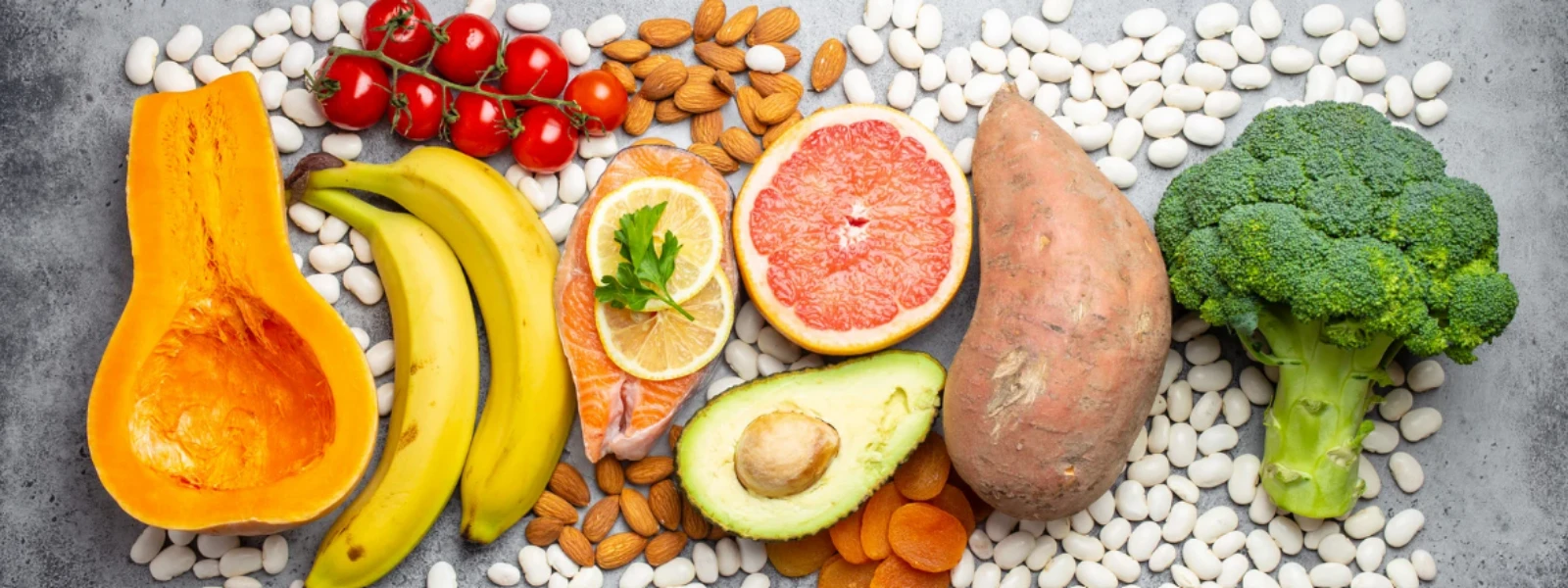


Your body operates like a finely tuned orchestra, where each micronutrient plays a specific role in maintaining optimal health. When even one instrument is out of tune, the entire symphony suffers. Understanding why micronutrient balance matters is crucial for anyone seeking to optimize their health, energy levels, and overall well-being.
This comprehensive guide will decode the complex world of micronutrient balance, helping you identify deficiency symptoms, understand absorption factors, and create an actionable plan for optimal health. You'll discover how your gut health directly impacts nutrient absorption and learn practical strategies to achieve the perfect micronutrient harmony your body craves.
Micronutrients are the vitamins and minerals your body needs in small amounts but cannot produce on its own. Unlike macronutrients (proteins, fats, and carbohydrates), micronutrients don't provide energy but serve as cofactors in countless biochemical reactions that keep you alive and thriving.
The micronutrient benefits extend far beyond preventing deficiency diseases. These essential nutrients support immune function, energy production, brain health, and cellular repair. What makes micronutrient balance particularly fascinating is the synergistic relationship between different vitamins and minerals.
For example, Vitamin D enhances calcium absorption, while Vitamin C boosts iron uptake from plant sources. Magnesium activates over 300 enzymatic reactions, including those involving B vitamins. This interconnected web demonstrates the importance of nutrients working together rather than in isolation.
Understanding micronutrient absorption is key to achieving optimal health. Bioavailability—the amount of a nutrient your body can actually use—varies significantly based on several factors. Food preparation methods, timing of intake, and individual digestive health all influence how well your body absorbs nutrients.
Some nutrients compete for absorption pathways. Iron and zinc, for instance, can interfere with each other when taken simultaneously. Conversely, certain combinations enhance absorption. Fat-soluble vitamins (A, D, E, and K) require dietary fat for optimal uptake, while water-soluble vitamins like Vitamin C and B vitamins are best absorbed on an empty stomach.
Individual variation in absorption rates means that two people eating identical diets may have vastly different nutrient status. Factors like age, genetics, stress levels, and gut health all play crucial roles in determining how efficiently your body processes nutrients.
Recognizing nutrient deficiency symptoms early can prevent more serious health complications down the road. Your body provides subtle signals long before clinical deficiencies develop, and learning to interpret these signs is essential for maintaining optimal health.
Energy levels often serve as the first indicator of micronutrient imbalance. Persistent fatigue despite adequate sleep may signal iron, B12, or magnesium deficiency. Mood changes, including irritability or depression, can indicate insufficient B vitamins, Vitamin D, or omega-3 fatty acids.
Physical symptoms manifest differently depending on which nutrients are lacking. Brittle nails and hair loss may indicate biotin or zinc deficiency. Slow wound healing often points to Vitamin C or zinc insufficiency. Muscle cramps and twitches frequently signal magnesium depletion.
The balanced diet effects become apparent when you address these deficiencies systematically. Improved energy, better mood stability, enhanced immune function, and clearer skin are common benefits of achieving proper micronutrient balance.
Subclinical deficiencies—nutrient levels that are low but not yet causing obvious disease—are incredibly common in modern society. Standard blood tests often miss these subtle imbalances because they measure serum levels rather than cellular stores or functional status.
Functional testing approaches, such as measuring red blood cell minerals or assessing enzyme activity, provide more accurate pictures of your true nutrient status. Risk factors for poor absorption include chronic stress, certain medications, digestive disorders, and aging.
Did You Know?
Studies show that up to 90% of adults don't meet the recommended daily intake for at least one essential vitamin or mineral, even when following what they consider a healthy diet. This highlights why micronutrient balance matters beyond just eating your vegetables.
Your gut health directly impacts how well your body absorbs and utilizes nutrients. The digestive system breaks down food, absorbs nutrients, and houses trillions of beneficial bacteria that contribute to overall health. When gut function is compromised, even the most nutrient-dense diet may not provide adequate nourishment.
Gut health nutrients work synergistically to maintain digestive function and support nutrient absorption. The gut microbiome produces certain vitamins, including Vitamin K and several B vitamins. A diverse, healthy microbiome enhances nutrient bioavailability and supports immune function.
Leaky gut syndrome, characterized by increased intestinal permeability, can significantly impair nutrient absorption while allowing toxins to enter the bloodstream. This condition often develops from chronic stress, poor diet, certain medications, or infections.
Digestive enzymes and adequate stomach acid are essential for breaking down proteins and releasing minerals from food. Many people, particularly those over 40, produce insufficient stomach acid, leading to poor absorption of minerals like iron, calcium, and B12.
Optimizing gut health requires a comprehensive approach that includes both dietary and lifestyle strategies. Prebiotic foods like garlic, onions, and asparagus feed beneficial bacteria, while probiotic foods like yogurt and fermented vegetables introduce helpful microorganisms.
Anti-inflammatory nutrients support gut healing and reduce intestinal inflammation. Omega-3 fatty acids, curcumin, and glutamine are particularly beneficial for maintaining gut barrier function. The timing of nutrient intake also matters—taking probiotics away from meals and consuming digestive enzymes with food can enhance absorption.
Cleanse diet nutrients become especially important when supporting your body's natural detoxification processes. Many people unknowingly deplete essential nutrients during restrictive cleanse programs, potentially causing more harm than good.
Your liver requires specific nutrients to effectively process and eliminate toxins. Phase I detoxification relies on B vitamins, antioxidants like Vitamin C and E, and minerals such as magnesium and zinc. Phase II detoxification requires amino acids, sulfur compounds, and additional B vitamins to conjugate toxins for safe elimination.
Nutritional balance for detox means providing adequate support nutrients while avoiding overly restrictive approaches that may compromise your body's detoxification capacity. Gentle, nutrient-dense cleanses that include adequate protein, healthy fats, and a variety of vitamins and minerals are most effective.
Antioxidants protect cells from oxidative damage during detoxification. Vitamin C, Vitamin E, selenium, and glutathione work together to neutralize free radicals generated during toxin processing. B vitamins, particularly B6, B12, and folate, support methylation pathways crucial for detoxification.
Electrolyte balance becomes critical during cleansing, especially if increased water intake or sweating is involved. Sodium, potassium, and magnesium maintain proper cellular function and prevent dehydration-related complications.
Creating a sustainable approach to optimal nutrient intake starts with a food-first philosophy. Whole foods provide nutrients in their most bioavailable forms, along with cofactors and compounds that enhance absorption and utilization.
Nutrient-dense food combinations maximize absorption and provide synergistic benefits. Pairing iron-rich foods with Vitamin C sources, consuming healthy fats with fat-soluble vitamins, and eating a variety of colorful fruits and vegetables ensures comprehensive nutrient coverage.
Meal timing and preparation methods significantly impact nutrient availability. Gentle cooking methods like steaming preserve water-soluble vitamins, while fermentation can increase nutrient bioavailability. Eating regularly helps maintain stable blood sugar and supports consistent nutrient absorption.
Individual needs vary based on age, gender, activity level, stress, and health status. Athletes require higher amounts of certain nutrients, while older adults may need additional B12 and Vitamin D. Pregnant women have increased needs for folate and iron.
Working with qualified healthcare providers helps identify specific deficiencies and develop targeted intervention strategies. Regular monitoring through appropriate testing allows for adjustments based on changing needs and response to interventions.
Over-supplementation poses real risks, as some nutrients can be toxic in excessive amounts. Fat-soluble vitamins accumulate in body tissues and can cause serious side effects when taken in large doses. Even water-soluble vitamins can cause problems when consumed excessively.
Focusing on single nutrients rather than comprehensive balance often creates new imbalances. Taking large amounts of zinc, for example, can interfere with copper absorption. This highlights why understanding the importance of nutrients working together is crucial.
Ignoring food-drug and supplement interactions can reduce effectiveness or cause adverse effects. Some medications deplete specific nutrients, while certain supplements can interfere with medication absorption or effectiveness.
Not addressing underlying absorption issues means that even perfect supplementation may not resolve deficiencies. Gut health, stress management, and lifestyle factors must be considered for optimal results.
The timeline for correcting micronutrient imbalances varies depending on the severity of deficiency, individual absorption capacity, and the specific nutrient involved. Water-soluble vitamins like B vitamins and Vitamin C can show improvement within days to weeks, while fat-soluble vitamins and minerals may take several months to reach optimal levels. Consistent intake and addressing underlying absorption issues are key to faster correction.
While a well-planned, diverse diet can provide most essential micronutrients, certain factors make it challenging to meet all needs through food alone. Soil depletion, food processing, storage methods, and individual absorption variations can create gaps. Some nutrients like Vitamin D are difficult to obtain in adequate amounts from food sources alone, especially in certain geographic locations or seasons.
Natural vitamins are derived from whole food sources and often contain cofactors that enhance absorption and utilization. Synthetic vitamins are chemically identical to their natural counterparts but may lack these supporting compounds. While both forms can be effective, natural vitamins are generally better absorbed and utilized by the body, though they are typically more expensive.
Many common medications can interfere with nutrient absorption or increase nutrient depletion. Proton pump inhibitors reduce stomach acid, impairing B12 and mineral absorption. Diuretics can deplete potassium and magnesium. Antibiotics disrupt gut bacteria that produce certain vitamins. It's important to discuss potential nutrient interactions with your healthcare provider when starting new medications.
Price doesn't always indicate quality in the supplement industry. Factors that justify higher costs include third-party testing, bioavailable forms of nutrients, absence of fillers and artificial additives, and sustainable sourcing practices. Look for certifications, transparent labeling, and evidence-based formulations rather than relying solely on price as a quality indicator.
Understanding why micronutrient balance matters empowers you to make informed decisions about your health and nutrition. The intricate relationships between vitamins and minerals, the critical role of gut health in absorption, and the importance of individualized approaches all contribute to optimal wellness. By recognizing deficiency symptoms early, supporting your digestive health, and implementing a comprehensive nutrition strategy, you can achieve the micronutrient balance your body needs to thrive. Remember that sustainable health improvements come from consistent, science-based approaches rather than quick fixes or extreme measures.




Someone sent you
Powered by ReferRush


