You know that feeling when your stomach feels full, heavy and somehow still unfinished?
You ate. You waited. You went to the bathroom. And yet, your gut clearly has other plans.
Constipation is incredibly common, and it becomes more common with age. Around 16% of adults experience constipation, with the proportion rising to about one in three adults aged 60 and older. [NIH]
The reasons are not always dramatic. Sometimes it is simply less fiber, less water, fewer steps, more sitting, irregular meals or repeatedly ignoring the urge to go. Certain medicines and supplements can also contribute. [NIH]
And then comes the classic response: wait it out, take something, feel better for a bit, and repeat.
But your gut often needs something much simpler: more fiber, enough fluid, movement and regularity.
So, if you are looking for home remedies for constipation, here are seven practical approaches, along with 10 food-based ingredients that can make your routine more gut-friendly.
1. Start with psyllium husk, the fiber your gut may be missing
Psyllium husk is a soluble fiber that absorbs water and forms a gel-like mass, helping increase stool bulk and make stools easier to pass. Fiber is a standard part of dietary approaches to constipation, and psyllium is also used as a fiber supplement. [NIH]
How to use it
Start with a small amount and take it with plenty of water. Increasing fiber gradually can help your gut adjust and may reduce the bloating that can happen when you suddenly add a lot of fiber. [NIH]
Best for: Occasional constipation and increasing daily fiber intake.
Important: Do not take psyllium dry. Adequate fluid is essential when increasing fiber.
2. Make soaked chia seeds your morning fiber boost
Chia seeds contain a substantial amount of dietary fiber. When soaked in liquid, they form a gel that can add bulk and moisture to the digestive contents.
Try:
1 to 2 teaspoons chia seeds + water or yogurt → soak → eat with breakfast
You can also add them to overnight oats, smoothies or plain yogurt.
Chia is not a magic laxative, but it is an easy way to increase the fiber density of your diet.
And that matters because adults generally need around 22 to 34 g of fiber a day, depending on age and sex. [NIH]
Best for: People whose diets are consistently low in fiber.
3. Add papaya, pear or kiwi to your day
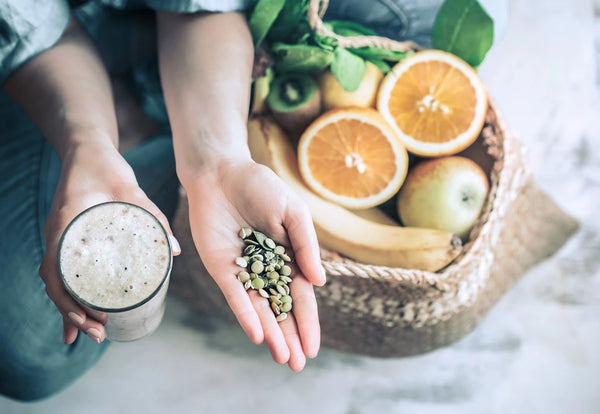
Fruit can be one of the easiest home remedies for constipation in adults, especially when constipation is linked to a low-fiber diet.
Three simple choices:
Papaya: easy to add to breakfast or a snack.
Pear: keep the skin on for more fiber.
Kiwi: add to yogurt, oats or eat it on its own.
Pears, apples with their skin, oranges and other fruits are recognised sources of dietary fiber that can support bowel regularity.
The trick is to eat the whole fruit rather than turning it into juice. You get the fiber along with the fruit itself.
4. Bring soaked prunes into the conversation
Prunes are one of the more researched food-based options for constipation because they provide fiber and naturally occurring sorbitol, a sugar alcohol with an osmotic effect that can help draw water into the bowel.
You can have them as part of breakfast or as a snack.
Try: 3 to 5 prunes with water, yogurt or oats.
They can be particularly useful when your bowel movements are infrequent or stools are hard.
If you are prone to gas and bloating, start with a smaller amount. Suddenly increasing fermentable carbohydrates can make some people feel more bloated.
5. Do not underestimate a glass of water
Sometimes the most boring remedy is also the one you keep skipping.
Fluids help fiber work effectively and can help make stools softer and easier to pass. [NIH]
This does not mean you need to force huge amounts of water.
Instead:
Wake up → drink water → eat a fiber-rich breakfast → move
That simple sequence can become part of your morning routine.
If you are increasing your fiber intake, increasing fluids alongside it is especially important.
6. Give your gut some movement
Your digestive system does not particularly love an entire day spent sitting.
Regular physical activity may help relieve constipation, and it is part of standard lifestyle advice for managing and preventing it. [NIH]
You do not need an intense workout.
Try:
-
A 10 to 20 minute walk after meals
-
More steps throughout the day
-
Gentle stretching
-
Regular movement breaks if you work at a desk
This can be particularly useful as we get older, when physical activity may naturally decrease and constipation becomes more common. [NIH]
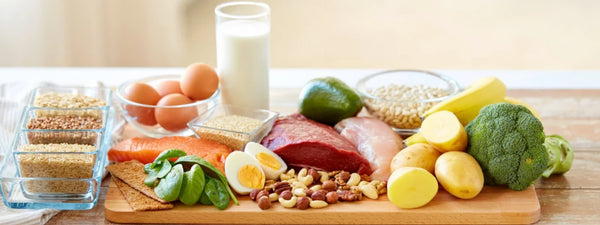
7. Build a gut-friendly plate with these 10 ingredients
If constipation keeps returning, the answer may be less about finding an emergency fix and more about what happens on your plate every day.

The bigger picture is simple:
Fiber-rich food → more stool bulk → water + movement → easier bowel movements
But increase fiber gradually. A sudden jump can cause more gas and bloating, particularly if your gut is not used to it.
What about home remedies for bloating and constipation?
Constipation and bloating often show up together, but they are not exactly the same thing.
If you suddenly increase fiber, especially beans, lentils, chia or prebiotic fibers, you may initially notice more gas.
That does not necessarily mean fiber is bad for you. It can simply mean you increased it too quickly.
Try this instead:
Low fiber diet → increase gradually → drink enough fluids → allow your gut to adapt
If bloating is persistent, severe or associated with pain, vomiting, unexplained weight loss or changes in bowel habits, it is worth discussing with a healthcare professional rather than continually adding more fiber.
Can prebiotics and probiotics help?
This is where the gut microbiome enters the conversation.
Prebiotics are types of dietary fiber that are used by microorganisms in the gut.
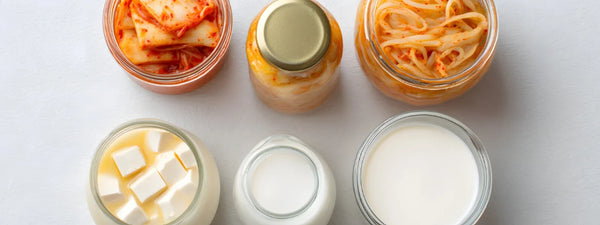
Probiotics are live microorganisms found in certain foods and supplements. Research suggests some probiotic strains may help constipation, but the effects vary by strain and person. Evidence is not strong enough to say that every probiotic product will work for constipation. [NIH]
This is why a pre+probiotic tablets effervescents, probiotic supplement or probiotic capsules should be viewed as an addition to an overall gut-supportive routine, not a replacement for fiber, fluids and healthy eating.
A fiber supplement can also be useful when getting enough fiber from food is difficult but increase it gradually and take it with adequate fluid. [NIH]
What about home remedies for chronic constipation?
If constipation keeps coming back for weeks or months, it is worth looking beyond food.
Chronic constipation can be associated with dietary factors, medications, pelvic floor problems, functional gastrointestinal disorders and other medical conditions. [NIH]
That is when repeatedly trying different home remedies for chronic constipation may delay finding the actual cause.
And if you take medicines or supplements that may contribute to constipation, speak with a healthcare professional before stopping or changing them. [NIH]
Key takeaways
-
Fiber is foundational. Adults generally need around 22 to 34 g of fiber daily, depending on age and sex.
-
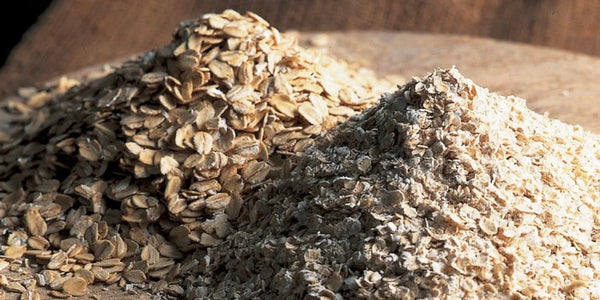
Increase fiber gradually. Psyllium, chia, flaxseeds, fruits, oats and legumes can all help increase fiber intake.
-
Water matters. Fluids help fiber work properly and can make stools easier to pass.
-
Movement and bowel habits count. Regular activity and responding to the urge to go can support bowel regularity.
-
Persistent constipation needs attention. Food-based remedies can support mild constipation, but ongoing or severe symptoms should be evaluated rather than continually self-treated.
FAQs
1. What are the best home remedies for constipation?
Increasing fiber gradually, drinking enough fluids, staying physically active, eating fiber-rich foods and developing a regular bathroom routine are practical first steps. NIH/NIDDK
2. What are home remedies for constipation immediate relief?
For mild constipation, drinking fluids, moving around and having a fiber-rich meal may help. However, there is no guaranteed natural remedy that provides immediate relief for everyone.
3. Is psyllium husk good for constipation?
Yes. Psyllium is a soluble fiber that absorbs water and can help increase stool bulk. Take it with adequate fluid. NIH/NIDDK
4. What are the best home remedies for constipation in adults?
Focus on gradual fiber intake, adequate fluids, regular physical activity, whole fruits, vegetables, legumes and whole grains.
5. What can I eat for gas and constipation?
Try fiber-rich foods in moderate portions and increase them gradually. Oats, kiwi, pears, chia, flaxseeds and cooked vegetables can be easier starting points than suddenly eating very large amounts of beans or raw vegetables.
6. When should I see a doctor for constipation?
Seek medical advice if constipation does not improve with self-care. Get prompt medical attention if constipation occurs with rectal bleeding, blood in the stool, constant abdominal pain, vomiting, fever, inability to pass gas or unexplained weight loss.
7. Are prebiotic supplements good for gut health?
Prebiotics provide fermentable fibers that can nourish certain beneficial gut microorganisms. However, large amounts can cause gas, bloating or abdominal discomfort in some people.
8. How much fiber should I eat for constipation?
Adults generally need around 22 to 34 g of fiber daily, depending on age and sex. If your current intake is low, increase it gradually rather than making a sudden jump.
9. Can constipation become more common with age?
Yes. Older adults are more likely to experience constipation, and factors such as lower fiber intake, reduced physical activity, changes in routine and certain medications can contribute.

Recommended Products
 Daily Probiotic Slow
₹1,119 – ₹2,238
Daily Probiotic Slow
₹1,119 – ₹2,238
 Probiotic + Prebiotic
₹559 – ₹3,355
Probiotic + Prebiotic
₹559 – ₹3,355
 Daily Fiber | Pina Colada Flavour
₹719 – ₹1,438
Daily Fiber | Pina Colada Flavour
₹719 – ₹1,438
 Daily Fiber | Two Flavour Combo
₹1,438
Daily Fiber | Two Flavour Combo
₹1,438
 Daily Fiber | Vanilla Berry Flavour
₹719 – ₹1,438
Daily Fiber | Vanilla Berry Flavour
₹719 – ₹1,438