If you have ever stepped on the weighing scale after a week of eating well and wondered why the number has barely changed, you are not alone. But here is something worth understanding: weight loss and fat loss are not exactly the same thing.
Your body weight includes fat, muscle, bones, organs and water. This means two people can weigh the same but have very different body compositions. Someone who has more muscle and less body fat may weigh more than someone with less muscle and a higher body fat percentage.
This is why a good fat loss diet plan should focus on more than just lowering the number on the scale. The goal is to gradually reduce excess body fat while preserving muscle, maintaining energy and building habits you can actually sustain.
The good news? You do not need a crash diet, expensive ingredients or a completely different lifestyle to get started. A few practical food swaps, regular movement and consistent sleep can make your weight loss diet easier to follow.
Weight Loss vs Fat Loss: What Is the Difference?
|
Aspect |
Weight loss |
Fat loss |
|
What it means |
A reduction in total body weight, including fat, muscle, water and other body tissues. |
A reduction in the amount of fat stored in the body. |
|
What causes it |
Changes in body fat, muscle mass, water levels and digestive contents can all affect weight. |
A sustained energy deficit encourages the body to use stored energy, including body fat. |
|
Effect of crash diets |
Rapid weight loss may largely reflect water loss and can also involve muscle loss. |
Extreme calorie restriction is not necessary and may make muscle preservation more difficult. |
|
What supports progress |
Overall dietary habits, physical activity, sleep and other factors that influence body weight. |
A moderate calorie deficit, adequate protein intake and regular resistance exercise can support fat loss while helping preserve muscle. |
|
Factors that influence results |
Genetics, medications, medical conditions, stress, sleep, diet and physical activity. |
Similar factors can influence fat storage, appetite, energy balance and body composition. |
Weight loss and fat loss are not interchangeable. A sustainable approach focuses on reducing excess body fat while preserving muscle, maintaining nutritional adequacy and building habits you can follow over time.
Your 7-Day Diet Plan for Weight Loss: Seven Simple Food Swaps
You do not need seven completely different menus to make progress. These seven swaps can help you build a practical fat loss diet plan around familiar foods.
Day 1: Swap Sugary Drinks for Water or Unsweetened Beverages
Sweetened tea, coffee, packaged juices and soft drinks can add calories without providing much satiety. Replace them with water, sparkling water without added sugar, or unsweetened tea and coffee.
Try this: If you usually drink a sweetened coffee every afternoon, gradually reduce the added sugar or switch to an unsweetened version.

You do not need to eliminate your favourite beverage overnight. Start with the swap you find easiest.
Day 2: Swap Refined Carbohydrates for Higher-Fiber Options
Carbohydrates are not the enemy of fat loss. The type, portion and overall composition of your meals matter.
Choose whole-wheat roti more often than refined-flour alternatives. Include oats, millets, brown rice or other whole grains, and pair them with vegetables and a protein source.
Try this: Replace one serving of refined grains with a higher-fiber alternative at lunch or dinner. You can still enjoy white rice and other familiar staples in appropriate portions.
Day 3: Add Protein to Every Main Meal
Protein helps support muscle maintenance during weight loss and generally promotes greater satiety than carbohydrate or fat when compared calorie for calorie.
Include eggs, dal, beans, chickpeas, tofu, paneer, fish, chicken or plain yoghurt, depending on your preferences.
Try this: Instead of having only toast for breakfast, add eggs or Greek yoghurt. If you prefer an Indian breakfast, pair poha with curd or add a protein-rich accompaniment.
A protein powder or whey protein supplement can also help when your regular meals do not provide enough protein, but it is not essential for fat loss.
Day 4: Swap Low-Fiber Snacks for More Satisfying Options
Biscuits, chips and confectionery are convenient, but they may not keep you full for long. Replace some of these snacks with options that provide fiber, protein or both.
Try this: Keep fruit, roasted chana, a small portion of nuts, unsweetened yoghurt or boiled eggs within reach during your workday.
You can still enjoy your favourite snacks occasionally. The aim is to make nourishing options more accessible, not to create a list of forbidden foods.
Day 5: Build a Balanced Lunch Instead of Eating Whatever Is Convenient
Busy workdays can turn lunch into a quick sandwich, instant noodles or whatever happens to be available. These meals can fit into your diet, but they may be less satisfying if they lack protein and fiber.
Use a simple plate structure: vegetables, a protein source and a carbohydrate source, with a moderate amount of dietary fat.
Try this: Build a lunch with dal, sabzi, roti and curd, or choose rice with rajma and vegetables. Non-vegetarians can include fish, eggs or chicken.
This approach makes a fat loss diet plan for men and women easier to follow without requiring separate meals for everyone.
Day 6: Swap Mindless Evening Eating for Planned Snacks
Long gaps between meals, stress and fatigue can make it harder to recognise hunger and fullness. Eating while scrolling through your phone or working may also make portions less noticeable.
Try this: Plan a snack before your usual afternoon energy dip. Step away from your screen, eat without distractions when possible, and assess whether you are still hungry before reaching for more.
If you are genuinely hungry, eat. Fat loss does not require ignoring your body's hunger signals.
Day 7: Make Dinner Balanced, Not Barely There
Skipping dinner or eating only a salad to compensate for earlier meals can leave you hungry later and make your routine difficult to sustain.
Try this: Have a balanced dinner with vegetables, protein and a carbohydrate source. For example, choose vegetable khichdi with curd, tofu with roti and sabzi, or grilled fish with rice and vegetables.
Your evening meal does not need to be carbohydrate-free. What matters is your overall dietary pattern and energy intake across the day.
How Many Calories and How Much Protein Should You Aim For?
There is no single calorie target that works for everyone. Your energy needs depend on age, sex, height, weight, activity level and other individual factors.
For gradual weight loss, a moderate calorie deficit is generally more sustainable than severe restriction. The following table offers starting points rather than personalised prescriptions.
Protein requirements may differ for people who are highly active, older adults or those with certain health conditions. Anyone with kidney disease or another condition requiring dietary restrictions should seek individual guidance before increasing protein intake.
Lifestyle Changes That Make Fat Loss Easier
Food choices matter, but a sustainable weight loss diet works best alongside habits that support your energy, appetite regulation and muscle health.
1. Walk more throughout the day. A 30-minute walk after a meal can be a practical way to increase activity, but you do not need to walk for 30 minutes after every meal. Start with a 10 to 15-minute walk after lunch or dinner, then build up as your schedule allows. Short movement breaks between meetings also count.
2. Include strength training. Resistance exercise helps preserve muscle during weight loss. Aim for two or more sessions a week if your health and fitness level permit, starting with manageable exercises and progressing gradually.
3. Prioritise seven to nine hours of sleep. Most adults benefit from this amount of sleep. Insufficient sleep can affect appetite regulation, food choices and energy levels, making healthy routines harder to maintain.
4. Make your work environment work for you. Keep a water bottle at your desk, prepare lunch in advance when possible, and stock your workspace with satisfying snacks. A little planning can reduce reliance on last-minute food choices during a busy nine-to-five schedule.
5. Track progress beyond the scale. Body weight naturally fluctuates with hydration, digestion, menstrual cycles and other factors. Look at trends over several weeks rather than reacting to individual weigh-ins. Waist measurements, strength, energy levels and how consistently you follow your habits can provide additional context.
6. Avoid the all-or-nothing approach. One restaurant meal or an unplanned snack will not determine your progress. Return to your usual routine at the next meal instead of compensating by skipping food or exercising excessively.
Can Supplements Help With Fat Loss?
Supplements can support specific nutritional needs, but they cannot replace a balanced diet, a suitable calorie intake and regular movement.
-
Protein powder or whey protein: Useful for meeting protein requirements when food alone is inconvenient or insufficient. Choose a product that suits your dietary preferences and tolerance.
-
Fiber supplements: Psyllium husk can help increase fiber intake and may support fullness and bowel regularity. Take it with sufficient water and follow the product instructions.
-
Berberine: This compound has been studied for effects on blood glucose and certain metabolic markers. Evidence for meaningful, sustained fat loss remains limited, and it should not be treated as a proven weight loss solution. It can interact with medicines and is unsuitable in some circumstances, including pregnancy and breastfeeding, so consult a healthcare professional before use.
You do not need to take all three. Start by identifying what, if anything, your diet is missing.
Conclusion
The best diet plan for fat loss is not necessarily the strictest one. It is the one that helps you maintain a moderate calorie deficit while eating enough protein, fiber and other essential nutrients to support your health.
Start with one or two swaps from this seven-day plan, build regular movement into your day, prioritise sleep and give your habits time to work. Sustainable progress comes from consistency, not perfection.
FAQs
1. What is the best diet plan for fat loss?
A balanced diet that provides adequate protein, fiber and essential nutrients while maintaining a suitable calorie deficit is a good starting point. The best approach is one you can sustain.
2. Can I lose weight in seven days?
Your weight may change within a week, but some of that change may reflect water and digestive contents rather than body fat. Meaningful fat loss generally requires consistent habits over time.
3. What is the best 7-day diet plan for weight loss?
Choose balanced meals with vegetables, fruit, whole grains, protein-rich foods and appropriate portions. Use the seven swaps in this guide to improve your usual meals without following a restrictive menu.
4. How many calories should I eat to lose weight?
Your calorie needs depend on your body size, age, sex and activity level. Estimate your maintenance requirements and consider a moderate deficit rather than drastically cutting your intake.
5. How much protein should I eat for fat loss?
Around 1.2 to 1.6 g of protein per kg of body weight daily can be a useful starting range for many healthy adults, particularly when preserving muscle is a priority.
6. Is rice good for a weight loss diet?
Yes. Rice can be part of a weight loss diet. Pay attention to portions and pair it with protein-rich foods and vegetables for a more balanced meal.
7. What is the best fat loss diet plan for vegetarians?
Include dal, beans, chickpeas, tofu, paneer, soy foods, yoghurt and other suitable protein sources alongside vegetables, whole grains and fruit.
8. Is a fat loss diet plan for men different from one for women?
The principles are similar, but calorie and protein needs can differ according to body size, activity, age and individual circumstances. There is no single diet plan that suits every man or woman.
9. Does whey protein help with weight loss?
Whey protein can help meet daily protein needs and support satiety and muscle maintenance. It does not directly burn body fat, and its calories should be included in your overall intake.
10. Do berberine and fiber supplements help with fat loss?
Fiber supplements such as psyllium can help increase fiber intake and may improve fullness. Berberine has been investigated for metabolic effects, but evidence for sustained fat loss is limited. Neither replaces healthy dietary and lifestyle habits.
Key Takeaways
-
Weight loss and fat loss are different. Changes in body weight can reflect fat, muscle and water.
-
A moderate calorie deficit is more sustainable than crash dieting. Avoid extreme restriction that compromises nutritional adequacy.
-
Protein and fiber support a more satisfying diet. Include them consistently through everyday foods.
-
Movement, strength training and sleep matter. Build habits that fit your workday and can be maintained long term.
-
Supplements are optional tools, not shortcuts. Prioritise your overall diet and use supplements to address specific needs.

Recommended Products
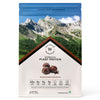 Plant Protein 22g | 500g | 3B CFU Probiotics | Belgian Dark Chocolate
₹1,529 – ₹3,058
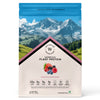 Plant Protein 22g | 500g | 3B CFU Probiotics | Canadian Mixed Berry
₹1,529 – ₹3,058
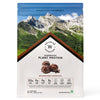 Plant Protein 22g | 907g | 3B CFU Probiotics | Belgian Dark Chocolate
₹2,889 – ₹5,778
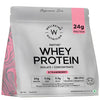 Whey Protein Isolate + Concentrate 24g | 1kg | 4B CFU Probiotics | Strawberry
₹5,849
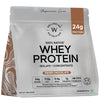 Whey Protein Isolate + Concentrate 24g | 1kg | 4B CFU Probiotics | Swiss Chocolate
₹6,174 – ₹12,348
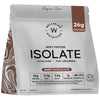 Whey Protein Isolate 26g | 1kg | 4B CFU Probiotics | Dark Chocolate
₹7,199 – ₹13,949
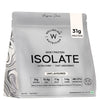 Whey Protein Isolate 31g | 1kg | 4B CFU Probiotics | Unflavoured
₹7,199 – ₹12,399
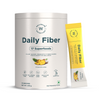 Daily Fiber | Pina Colada Flavour
₹764 – ₹1,528
 Daily Fiber | Two Flavour Combo
₹1,528
 Daily Fiber | Vanilla Berry Flavour
₹764 – ₹1,528
 Liposomal Berberine HCL+
₹1,529 – ₹3,058