How Daily Probiotics Shield Your Stomach Lining
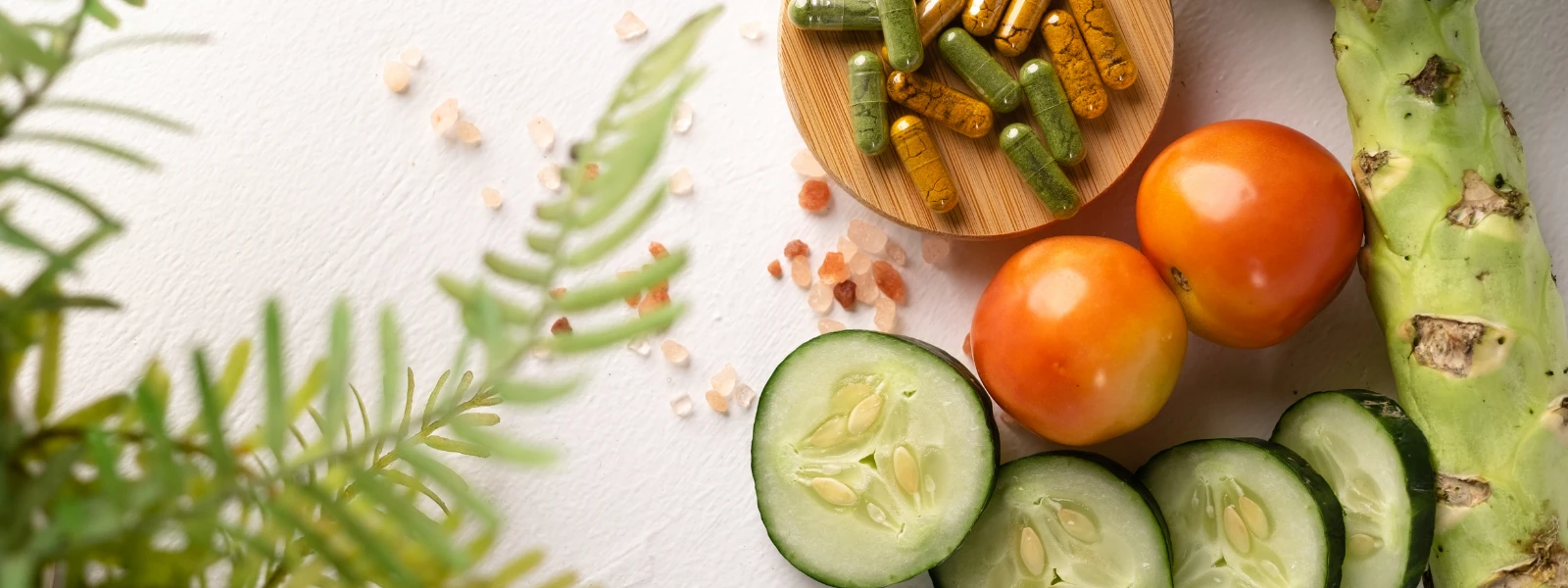


Your stomach lining faces daily battles against acid, bacteria, and inflammatory foods. While your body has natural defenses, modern lifestyles often overwhelm these protective mechanisms. Recent research reveals that daily probiotics can significantly strengthen your stomach's protective barriers, offering a science-backed approach to digestive wellness.
This comprehensive guide explores how beneficial bacteria work to shield your stomach lining from damage, reduce ulcer risk, and support overall gut health. You'll discover which probiotic strains offer the most protection, how to choose quality supplements, and what to expect when incorporating probiotics into your daily routine.
Your stomach lining, known as the gastric mucosa, serves as your digestive system's first line of defense. This specialized tissue produces mucus and bicarbonate to neutralize stomach acid while maintaining the delicate balance needed for proper digestion.
The stomach lining consists of multiple layers that work together to prevent acid from damaging underlying tissues. When functioning optimally, these protective barriers allow your stomach to process food efficiently while preventing harmful bacteria from establishing infections.
Several factors can compromise your stomach's protective mechanisms. Helicobacter pylori bacteria represents one of the most significant threats, affecting nearly half the global population and contributing to ulcer formation. This spiral-shaped bacterium burrows through the protective mucus layer, causing inflammation and weakening natural defenses.
Nonsteroidal anti-inflammatory drugs (NSAIDs) like ibuprofen and aspirin can also damage stomach lining protection. These medications reduce prostaglandin production, which normally stimulates protective mucus and bicarbonate secretion.
Chronic stress elevates cortisol levels, which can reduce blood flow to the stomach and impair healing processes. Additionally, excessive alcohol consumption and highly processed foods create inflammatory conditions that strain protective mechanisms.
Probiotics work through multiple mechanisms to strengthen stomach lining protection. These beneficial bacteria produce short-chain fatty acids that nourish intestinal cells and promote healing. They also compete with harmful bacteria for nutrients and attachment sites, preventing pathogenic colonization.
Research published in the World Journal of Gastroenterology demonstrates that specific probiotic strains can enhance mucus production and strengthen tight junctions between intestinal cells. This creates a more robust barrier against acid and toxins.
Probiotics also modulate immune responses in the gut, reducing excessive inflammation while maintaining appropriate defensive reactions. This balanced immune activity helps prevent tissue damage while supporting healing processes.
Lactobacillus reuteri shows remarkable ability to inhibit H. pylori growth through antimicrobial compound production. Clinical studies indicate this strain can reduce H. pylori colonization by up to 60% when used consistently.
Bifidobacterium longum excels at reducing inflammatory markers in the digestive tract. This strain produces beneficial metabolites that strengthen the intestinal barrier and support tissue repair.
Lactobacillus casei enhances protective mucus production while improving the stomach's natural pH buffering capacity. Research shows this strain can significantly reduce gastritis symptoms when taken daily.
Saccharomyces boulardii, a beneficial yeast, demonstrates unique resistance to stomach acid and antibiotics. Studies reveal its effectiveness in preventing antibiotic-associated digestive damage and supporting ulcer healing.
Did You Know?
Your stomach produces approximately 2-3 liters of gastric acid daily. Probiotics help maintain the delicate balance between acid production and protective mechanisms, ensuring optimal digestion without tissue damage.
While stomach lining protection represents a crucial benefit, daily probiotics offer comprehensive digestive support. These beneficial bacteria enhance nutrient absorption by improving intestinal permeability and supporting digestive enzyme production.
Probiotics strengthen immune function, with approximately 70% of immune cells residing in gut-associated lymphoid tissue. Regular probiotic consumption helps maintain immune balance, reducing both infection risk and autoimmune reactions.
The gut-brain connection means probiotic benefits extend to mental health. Beneficial bacteria produce neurotransmitters like serotonin and GABA, which influence mood and stress responses. Studies show daily probiotic use can reduce anxiety and improve cognitive function.
Daily probiotics promote regular bowel movements by optimizing gut motility and water absorption. They also reduce bloating and gas production by improving food breakdown and preventing harmful bacterial overgrowth.
These beneficial bacteria support the production of digestive enzymes, enhancing your body's ability to process proteins, fats, and carbohydrates efficiently. This improved digestion reduces the likelihood of undigested food particles irritating the stomach lining.
Stomach ulcers develop when protective mechanisms fail to counteract acid and bacterial damage. Probiotics offer multiple protective strategies against ulcer formation and support healing in existing cases.
Clinical research demonstrates that probiotics can reduce H. pylori bacterial loads by 50-80% when used alongside conventional treatments. This bacterial reduction significantly improves treatment success rates and reduces recurrence risk.
Probiotics also protect against antibiotic-associated gastric damage. When taking antibiotics for H. pylori treatment, concurrent probiotic use helps maintain beneficial bacterial populations and prevents opportunistic pathogen overgrowth.
Beneficial bacteria produce growth factors that accelerate tissue repair and regeneration. These compounds stimulate cell division and promote blood vessel formation, essential processes for ulcer healing.
Probiotics also enhance the production of protective prostaglandins, which stimulate mucus and bicarbonate secretion. This natural protection helps prevent further damage while existing ulcers heal.
Selecting effective probiotics requires understanding key quality indicators. Colony-forming unit (CFU) counts should range from 10-50 billion for stomach health applications, providing sufficient bacterial numbers to establish beneficial populations.
Multi-strain formulations often prove more effective than single-strain products. Different bacterial strains offer complementary benefits, creating synergistic effects that enhance overall protection.
Enteric coating technology protects probiotic bacteria from stomach acid destruction, ensuring viable organisms reach the intestines. This coating significantly improves bacterial survival rates and therapeutic effectiveness.
Taking probiotics on an empty stomach or with minimal food optimizes bacterial survival through the acidic stomach environment. Morning consumption, 30 minutes before breakfast, often provides ideal conditions.
Proper storage maintains probiotic viability. Most supplements require refrigeration, while shelf-stable formulations use specialized packaging to preserve bacterial integrity at room temperature.
Most people tolerate probiotics well, but initial side effects may occur as gut bacteria populations rebalance. Common temporary symptoms include mild gas, bloating, or changes in bowel movements.
These adjustment symptoms typically resolve within 1-2 weeks as beneficial bacteria establish stable populations. Starting with lower doses and gradually increasing can minimize initial discomfort.
Individuals with compromised immune systems should consult healthcare providers before beginning probiotic supplementation. While generally safe, probiotics may pose risks for severely immunocompromised patients.
Probiotics can interact with certain medications, particularly antibiotics and immunosuppressive drugs. Taking probiotics at least 2 hours apart from antibiotics helps prevent beneficial bacteria destruction while maintaining therapeutic effects.
People with central venous catheters or severe underlying health conditions should discuss probiotic use with their healthcare team to ensure safety and appropriateness.
Supporting probiotic effectiveness requires creating an environment where beneficial bacteria can thrive. Prebiotic foods like garlic, onions, and bananas provide nutrients that feed beneficial bacteria and enhance their protective effects.
Stress management plays a crucial role in gut health. Chronic stress disrupts the gut microbiome and impairs protective mechanisms. Regular exercise, adequate sleep, and stress-reduction techniques support probiotic effectiveness.
Avoiding foods that damage stomach lining enhances probiotic benefits. Limiting alcohol, reducing processed food consumption, and moderating caffeine intake creates optimal conditions for beneficial bacteria to protect your digestive system.
Yes, research shows that daily probiotic consumption can significantly strengthen stomach lining protection through multiple mechanisms. Beneficial bacteria enhance mucus production, reduce harmful bacterial populations, and support tissue repair processes. Clinical studies demonstrate that consistent probiotic use can reduce gastritis symptoms and lower ulcer risk by up to 60%.
Most people begin experiencing digestive improvements within 2-4 weeks of daily probiotic use. However, significant stomach lining protection develops over 8-12 weeks as beneficial bacteria establish stable populations and protective mechanisms strengthen. Individual responses vary based on existing gut health, diet, and lifestyle factors.
Probiotics are generally safe for people with stomach ulcers and may actually support healing when used alongside conventional treatments. However, individuals with active ulcers should consult their healthcare provider before starting probiotics to ensure compatibility with existing medications and treatment plans.
Taking probiotics in the morning on an empty stomach, approximately 30 minutes before breakfast, optimizes bacterial survival and colonization. This timing allows beneficial bacteria to pass through the stomach quickly before acid production increases with food consumption.
Probiotics should not replace prescribed acid-blocking medications without medical supervision. While probiotics offer natural stomach protection, they work through different mechanisms than acid reducers. Some people may eventually reduce medication dependence with their doctor's guidance, but this requires careful monitoring and professional oversight.
Daily probiotics offer scientifically-proven protection for your stomach lining through multiple beneficial mechanisms. These beneficial bacteria strengthen natural defenses, reduce harmful bacterial populations, and support tissue repair processes that maintain digestive health. While individual responses vary, consistent probiotic use can significantly reduce gastritis symptoms, lower ulcer risk, and improve overall gut function. For optimal results, choose quality multi-strain formulations, maintain consistent daily use, and support probiotic effectiveness through healthy lifestyle choices. Consider exploring comprehensive gut health approaches that combine probiotics with other evidence-based strategies for complete digestive wellness.




Someone sent you
Powered by ReferRush


