How to Boost Vitamin E with Pumpkin Seeds Daily
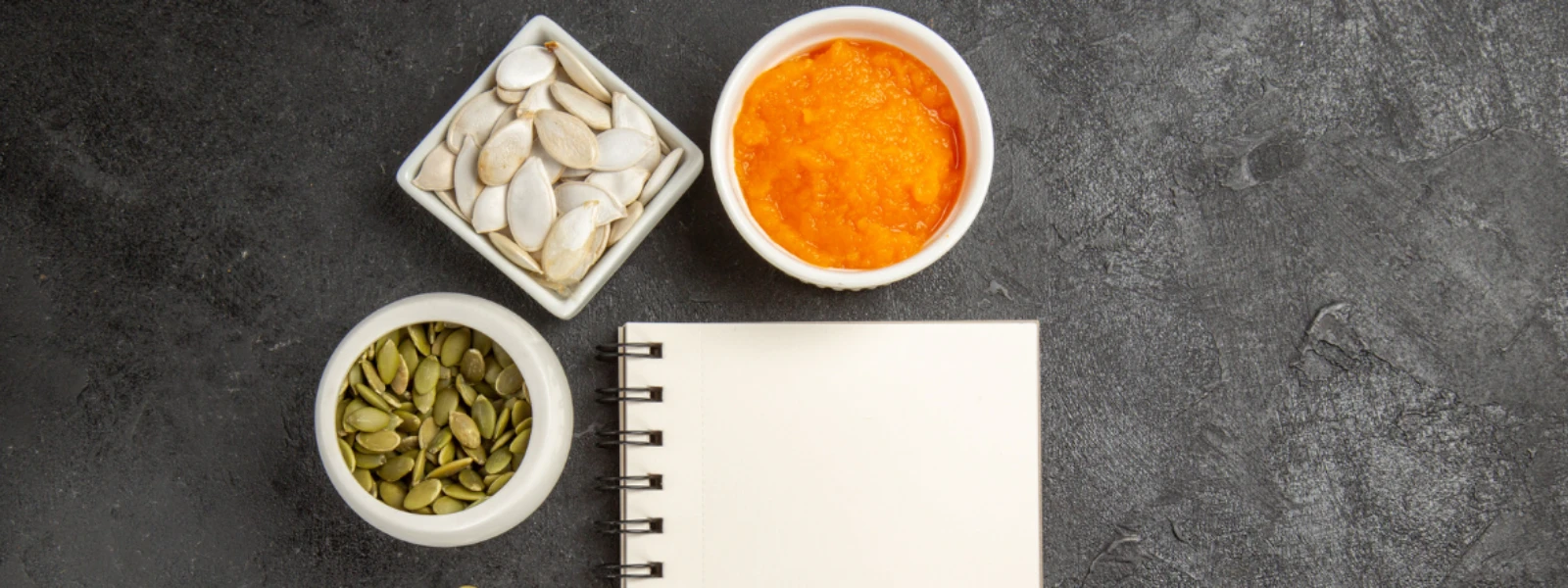


Small, green, and often overlooked, pumpkin seeds pack a surprising nutritional punch that extends far beyond their humble appearance. These tiny powerhouses contain significant amounts of Vitamin E, a crucial antioxidant that supports immune function, skin health, and cellular protection. Understanding how to harness pumpkin seeds vitamin E content can transform your daily nutrition routine and provide natural support for your body's detoxification processes.
This comprehensive guide will walk you through the science behind pumpkin seed nutrition, practical daily serving recommendations, and effective ways to incorporate these nutrient-dense seeds into your wellness routine. You'll discover how pumpkin seeds compare to other vitamin E sources and learn specific strategies for maximizing their gut health benefits.
Pumpkin seeds contain approximately 0.6 milligrams of Vitamin E per one-ounce serving, which provides about 4% of the daily recommended value. While this might seem modest compared to other vitamin E sources, pumpkin seeds offer a unique advantage through their comprehensive nutrient profile that enhances overall absorption and utilization.
The Vitamin E in pumpkin seeds primarily exists as alpha-tocopherol, the most biologically active form that your body readily recognizes and uses. This natural form provides superior antioxidant protection compared to synthetic alternatives, making pumpkin seeds an excellent choice for those seeking natural vitamin E foods.
Beyond Vitamin E, pumpkin seeds deliver an impressive array of complementary nutrients. A single ounce provides substantial amounts of magnesium (37% DV), zinc (23% DV), iron (23% DV), and high-quality protein (9 grams). This nutrient synergy enhances the absorption and effectiveness of Vitamin E while supporting multiple body systems simultaneously.
The healthy fats in pumpkin seeds, particularly omega-3 and omega-6 fatty acids, create an optimal environment for fat-soluble vitamin absorption. This means the Vitamin E content becomes more bioavailable when consumed as part of the whole seed rather than isolated supplements.
Research consistently demonstrates that regular consumption of pumpkin seeds provides measurable health benefits that extend well beyond basic nutrition. The combination of Vitamin E, minerals, and healthy fats creates a powerful foundation for optimal wellness.
The Vitamin E in pumpkin seeds functions as a primary antioxidant, protecting cell membranes from oxidative damage caused by free radicals. This protection becomes particularly important during periods of stress, illness, or environmental exposure to pollutants. Studies show that adequate Vitamin E intake supports immune cell function and helps maintain the body's natural defense mechanisms.
Vitamin E plays a crucial role in maintaining skin elasticity and protecting against premature aging. The antioxidant properties help preserve collagen structure while supporting the skin's natural repair processes. Regular consumption of vitamin E foods like pumpkin seeds may contribute to healthier, more resilient skin over time.
The magnesium content in pumpkin seeds works synergistically with Vitamin E to support heart health and blood vessel function. This mineral combination helps regulate blood pressure and supports healthy circulation, while the protein and fiber content contributes to stable blood sugar levels and sustained energy.
Did You Know?
Pumpkin seeds contain tryptophan, an amino acid that helps produce serotonin and melatonin. This makes them an excellent evening snack for supporting natural sleep cycles while providing essential Vitamin E.
Determining the right amount of pumpkin seeds for daily consumption requires balancing nutritional benefits with practical considerations. The American Heart Association recommends approximately 1/4 cup (30 grams) of seeds daily as part of a balanced diet.
A quarter-cup serving equals roughly two tablespoons or about 140-150 individual pumpkin seeds. This serving size provides optimal nutrition without excessive calories, delivering approximately 180 calories along with the beneficial Vitamin E content and other essential nutrients.
For those new to incorporating seeds for gut health, starting with one tablespoon daily allows your digestive system to adjust gradually. You can increase to the full serving size over the course of a week as your body adapts to the increased fiber and healthy fat intake.
Consuming pumpkin seeds with meals that contain other healthy fats enhances Vitamin E absorption. The fat-soluble nature of Vitamin E means it requires dietary fat for optimal uptake. Pairing pumpkin seeds with avocado, olive oil, or nuts creates an ideal absorption environment.
Evening consumption may provide additional benefits due to the tryptophan content, which supports natural sleep patterns. However, the timing matters less than consistency for long-term vitamin E benefits.
Pumpkin seeds serve as excellent gut cleanse foods due to their fiber content, healthy fats, and natural compounds that support digestive health. The combination of nutrients helps maintain beneficial gut bacteria while supporting the body's natural detoxification processes.
Raw pumpkin seeds retain maximum Vitamin E content and provide the most benefits for gut health. However, light roasting at temperatures below 300°F preserves most nutrients while improving digestibility for some individuals. Avoid high-temperature roasting, which can damage the delicate Vitamin E content.
Soaking pumpkin seeds for 8-12 hours before consumption can enhance digestibility and nutrient absorption. This process begins breaking down enzyme inhibitors and makes the seeds easier for your digestive system to process.
Adding pumpkin seeds to smoothies creates an excellent foundation for gut-supporting nutrition. Blend them with leafy greens, berries, and plant-based proteins for a comprehensive detox meal that supports natural cleansing processes.
Sprinkling pumpkin seeds on salads, yogurt, or oatmeal provides convenient ways to increase daily Vitamin E intake while supporting digestive health. The mild, nutty flavor complements both sweet and savory dishes without overwhelming other ingredients.
While pumpkin seeds provide valuable Vitamin E, understanding how they compare to other vitamin E sources helps create a comprehensive nutrition strategy. Sunflower seeds contain higher Vitamin E levels at 7.4 milligrams per ounce, while almonds provide 7.3 milligrams per ounce.
However, pumpkin seeds offer unique advantages through their mineral profile and gut health benefits. The zinc content in pumpkin seeds significantly exceeds that found in other common vitamin E foods, making them particularly valuable for immune function and wound healing.
Cost-effectiveness also favors pumpkin seeds in many markets. They typically cost less per serving than tree nuts while providing comparable overall nutritional value when considering the complete nutrient profile rather than Vitamin E alone.
Sunflower seeds contain the highest Vitamin E levels among commonly available seeds, providing about 7.4 milligrams per ounce. Pumpkin seeds follow with 0.6 milligrams per ounce, while sesame seeds provide approximately 0.25 milligrams per ounce.
While pumpkin seeds contribute valuable Vitamin E, meeting daily requirements typically requires multiple food sources. Adults need 15 milligrams of Vitamin E daily, which would require consuming about 25 ounces of pumpkin seeds. A varied diet including multiple vitamin E foods provides a more practical approach.
Pumpkin flesh contains minimal Vitamin E compared to the seeds. One cup of cooked pumpkin provides only about 1.3 milligrams of Vitamin E, while the same weight in seeds would provide significantly more, making the seeds the primary source of this nutrient from pumpkins.
Store pumpkin seeds in airtight containers in cool, dark places to preserve Vitamin E content. Refrigeration extends shelf life and maintains nutrient quality for up to six months, while freezing can preserve them for up to one year without significant nutrient loss.
Most people tolerate daily pumpkin seed consumption well within recommended serving sizes. Excessive intake may cause digestive discomfort due to high fiber content. Individuals with seed allergies should avoid pumpkin seeds, and those taking blood-thinning medications should consult healthcare providers due to Vitamin E's mild anticoagulant properties.
Pumpkin seeds offer a practical, affordable way to boost your daily Vitamin E intake while supporting overall health through their comprehensive nutrient profile. Their benefits extend beyond basic nutrition to include gut health support, immune function enhancement, and natural detoxification assistance. By incorporating a quarter-cup serving into your daily routine, you can harness the antioxidant power of these remarkable seeds while enjoying their versatility in various meals and snacks. Whether consumed raw for maximum nutrient retention or lightly roasted for enhanced flavor, pumpkin seeds represent an excellent addition to any health-conscious diet focused on natural, whole-food nutrition.




Someone sent you
Powered by ReferRush


