How to Effectively Control Diabetes Through Blood Sugar Regulation
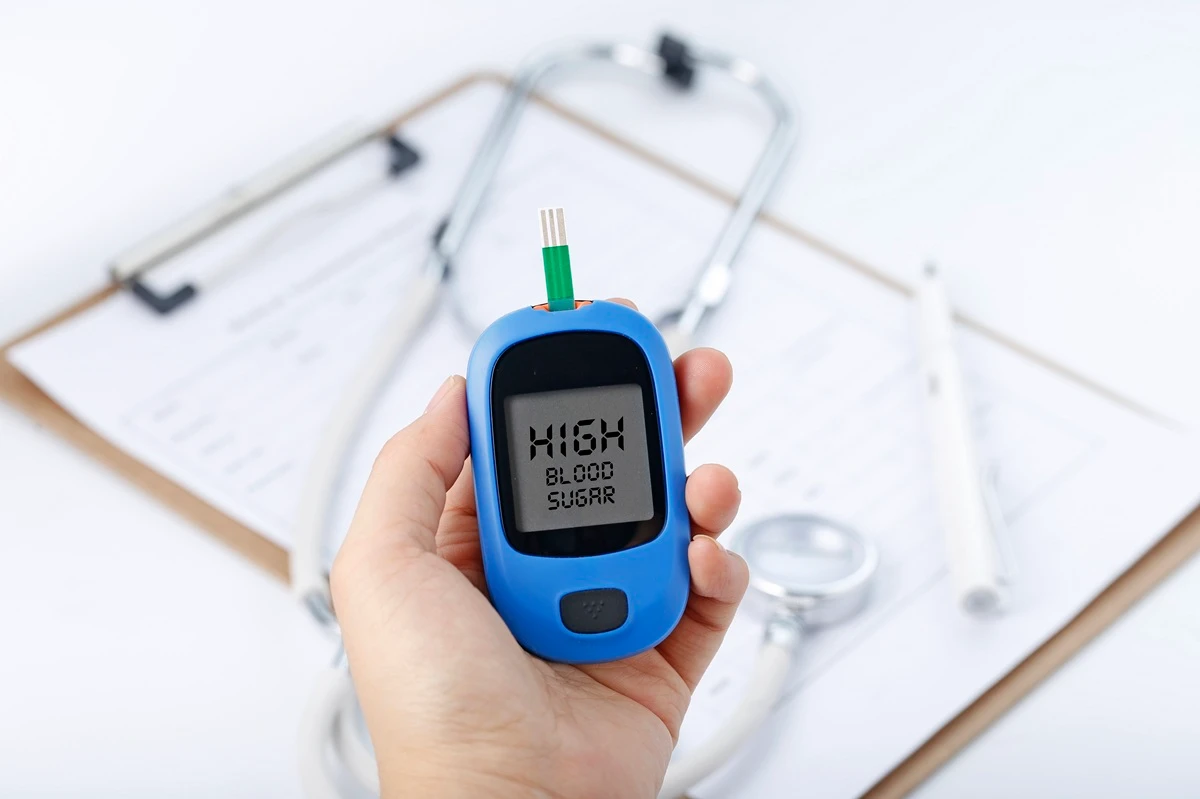


Diabetes affects millions worldwide, but effective diabetes control is possible with the right approach. The key lies in understanding how to maintain stable blood sugar levels through practical strategies and lifestyle adjustments. This guide will teach you proven methods for managing diabetes through blood sugar regulation, helping you take control of your health and improve your quality of life.
Diabetes is a condition where your body cannot properly use or produce insulin. This hormone helps move sugar from your blood into your cells for energy. When this process fails, sugar builds up in your bloodstream, leading to high blood sugar levels.
There are three main types of diabetes. Type 1 diabetes occurs when your body stops making insulin. Type 2 diabetes happens when your body doesn't use insulin well. Gestational diabetes can develop during pregnancy but often goes away after birth.
Blood sugar regulation is the foundation of diabetes management. Your blood sugar levels directly affect how you feel and your long-term health. Keeping these levels within target ranges helps prevent complications and maintains your energy throughout the day.
Smart food choices form the cornerstone of diabetes control. Focus on balanced meal planning that includes lean proteins, healthy fats, and complex carbohydrates. Learning to count carbohydrates helps you predict how foods will affect your blood sugar levels.
Understanding the glycemic index can guide your food choices. Foods with a lower glycemic index cause slower, more gradual rises in blood sugar. These include whole grains, legumes, and most vegetables.
Exercise is a powerful tool for blood sugar regulation. Walking, swimming, and cycling are excellent options for people with diabetes. Even 30 minutes of moderate activity most days can significantly improve your blood sugar control.
Creating a consistent exercise routine helps your body use insulin more effectively. Start slowly and gradually increase your activity level as your fitness improves.
Regular monitoring gives you real-time feedback about your blood sugar levels. Check your levels before meals and at bedtime, or as recommended by your healthcare provider. Understanding your target ranges helps you make informed decisions about food, exercise, and medication.
Chronic stress can raise blood sugar levels and make diabetes management more challenging. Practice relaxation techniques like deep breathing, meditation, or yoga. These activities can help lower stress hormones that interfere with blood sugar control.
Poor sleep can affect your body's ability to use insulin effectively. Aim for 7-9 hours of quality sleep each night. Create a consistent bedtime routine and avoid screens before bed to improve your sleep quality.
Did You Know? The Power of Small Changes
Small lifestyle adjustments can have a significant impact on blood sugar control. For example, taking a 10-minute walk after meals can help lower post-meal blood sugar levels by up to 22%.
Focus on whole, unprocessed foods that provide steady energy. Include plenty of non-starchy vegetables, lean proteins, and healthy fats in your meals. Fiber-rich foods like beans, oats, and berries help slow sugar absorption and prevent spikes.
When choosing supplements to support your diabetes lifestyle changes, look for products with superior ingredients, highly absorbable formats, and palatable flavors. Quality matters when it comes to supporting your overall health journey.
Limit foods that cause rapid blood sugar spikes. These include sugary drinks, white bread, and processed snacks. Instead of eliminating foods completely, learn proper portion sizes and timing to maintain better blood sugar control.
Your healthcare team is essential for successful diabetes control. Regular check-ups help monitor your progress and adjust your treatment plan as needed. Don't hesitate to ask questions about your diabetes management strategies.
Start with small, achievable goals that build momentum over time. Instead of trying to change everything at once, focus on one or two areas for improvement. This approach makes diabetes management feel less overwhelming and more sustainable.
While type 2 diabetes can be managed effectively and sometimes put into remission through strict blood sugar control and lifestyle changes, it cannot be completely reversed. However, proper management can significantly improve quality of life and reduce complications.
The frequency of blood sugar checks depends on your individual situation and treatment plan. Generally, people with diabetes should check their blood sugar at least before meals and at bedtime. Consult with your healthcare provider for personalized recommendations.
Some natural supplements have shown promise in helping regulate blood sugar levels. However, it's crucial to consult with your healthcare provider before adding any supplements to your diabetes management plan.
Yes, stress can significantly impact blood sugar levels. When stressed, the body releases hormones that can cause blood sugar to rise. Managing stress through relaxation techniques, exercise, and mindfulness can help maintain more stable blood sugar levels.
Absolutely. With proper management, including blood sugar regulation, dietary changes, and regular exercise, people with diabetes can lead full, active, and healthy lives. The key is to work closely with your healthcare team and stay committed to your management plan.
Conclusion
Effectively controlling diabetes through blood sugar regulation involves understanding your condition, making sustainable lifestyle changes, and working with healthcare providers. By implementing dietary modifications, regular physical activity, consistent monitoring, and stress management techniques, you can significantly improve your diabetes control and overall well-being. Remember that diabetes management is a journey that requires patience and commitment, but with the right approach, you can successfully maintain stable blood sugar levels and enjoy a healthy, active lifestyle.




Someone sent you


