How Vitamin C Boosts Your Immune System Naturally
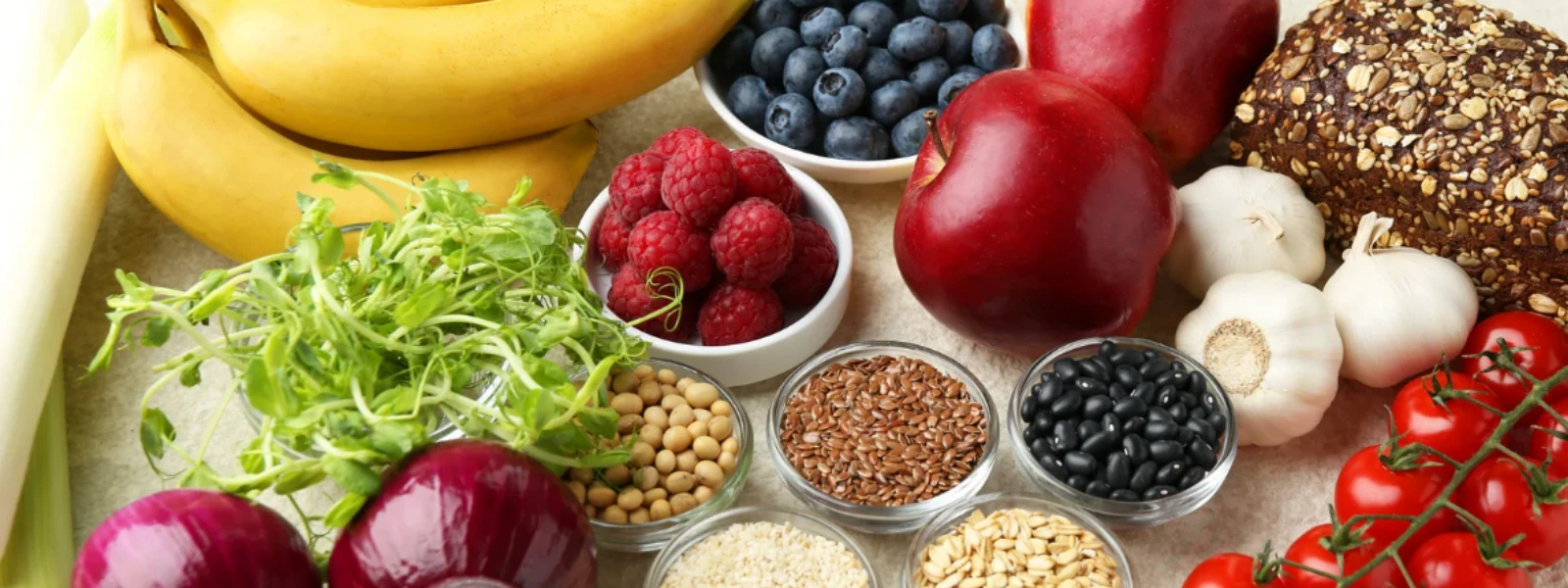


Your immune system works around the clock to protect you from harmful pathogens, and Vitamin C plays a crucial role in keeping this defense network strong. This essential nutrient acts as both a powerful antioxidant and a key player in immune cell function, making it one of the most important vitamins for maintaining optimal health. Understanding how Vitamin C benefits immunity can help you make informed decisions about your nutrition and supplement choices.
This comprehensive guide explores the science behind Vitamin C's immune-supporting properties, optimal dosage recommendations, and the best food sources to naturally boost your body's defenses. You'll discover how this vital nutrient works at the cellular level and learn practical strategies to incorporate more Vitamin C into your daily routine for enhanced immune system support.
Vitamin C immune system support begins at the cellular level, where this powerful nutrient enhances the production and function of white blood cells. These immune cells serve as your body's first line of defense against infections and diseases. Research shows that Vitamin C stimulates the production of phagocytes and lymphocytes, specialized white blood cells that identify and eliminate harmful pathogens.
The vitamin also plays a critical role in cytokine communication between immune cells. Cytokines are signaling proteins that coordinate immune responses, ensuring your body can mount an effective defense when needed. Vitamin C helps regulate cytokine production, preventing excessive inflammation while maintaining robust immune function.
As a potent antioxidant, Vitamin C protects immune cells from oxidative stress caused by free radicals. During immune responses, your body produces reactive oxygen species that can damage healthy cells. Vitamin C neutralizes these harmful compounds, preserving immune cell integrity and function.
Clinical studies consistently demonstrate the importance of adequate Vitamin C levels for optimal immune function. Research published in medical journals shows that Vitamin c deficiency significantly impairs immune responses, making individuals more susceptible to infections and slower to recover from illness.
Studies have found that people with higher Vitamin C intake experience shorter duration and reduced severity of respiratory infections. The vitamin's role in collagen synthesis also supports skin barrier function, creating a physical barrier against pathogens trying to enter the body.
Did You Know?
Your body cannot produce or store Vitamin C, making daily intake essential for maintaining immune function. Unlike many animals, humans lack the enzyme needed to synthesize this crucial vitamin internally.
Vitamin C directly stimulates the bone marrow to produce more white blood cells, particularly neutrophils and lymphocytes. These cells patrol your bloodstream and tissues, constantly searching for foreign invaders. Enhanced white blood cell production means your immune system can respond more quickly and effectively to potential threats.
The vitamin also improves the mobility and function of these immune cells, helping them reach infection sites faster and work more efficiently once they arrive.
During immune responses, your body generates significant amounts of reactive oxygen species. While these compounds help destroy pathogens, they can also damage healthy cells if left unchecked. Vitamin C acts as a protective shield, neutralizing these harmful molecules and preventing collateral damage to immune cells and surrounding tissues.
Effective immune responses require precise coordination between different types of immune cells. Vitamin C supports the production and regulation of cytokines, the chemical messengers that allow immune cells to communicate with each other. This improved communication leads to more coordinated and effective immune responses.
The recommended daily allowance for Vitamin C varies by age, gender, and life stage. Adult men typically need 90 milligrams daily, while adult women require 75 milligrams. Pregnant and breastfeeding women have higher requirements, needing 85 and 120 milligrams respectively.
However, these baseline recommendations may not be sufficient for optimal immune support, especially during times of stress, illness, or increased exposure to pathogens.
For enhanced immune support, many health experts suggest higher doses ranging from 200 to 1000 milligrams daily. The upper safe limit is 2000 milligrams per day for adults, though most people can tolerate higher amounts without adverse effects.
Vitamin C is water-soluble, meaning excess amounts are excreted through urine rather than stored in the body. This makes toxicity rare, but very high doses may cause digestive upset in some individuals.
Citrus fruits are well-known sources of Vitamin C, but many other fruits contain even higher concentrations. Guava leads the pack with over 200 milligrams per cup, followed by kiwi fruit, strawberries, and papaya. These immune boosting foods provide not only Vitamin C but also other beneficial compounds like flavonoids and fiber that support overall health.
Berries deserve special mention for their dual benefits of high Vitamin C content and powerful antioxidants called anthocyanins. Strawberries, blackberries, and raspberries are excellent choices for natural immune support.
Red bell peppers contain more Vitamin C than most citrus fruits, providing over 150 milligrams per cup. Cruciferous vegetables like broccoli, Brussels sprouts, and cauliflower are also excellent sources, offering additional immune-supporting compounds like sulforaphane.
Leafy greens such as kale and spinach provide moderate amounts of Vitamin C along with other essential nutrients like folate and iron that support immune function.
Your gut houses approximately 70% of your immune system, making gut health and immunity closely interconnected. Vitamin C supports intestinal barrier function by promoting collagen synthesis in the gut lining. A strong intestinal barrier prevents harmful bacteria and toxins from entering your bloodstream while allowing beneficial nutrients to pass through.
The vitamin also helps maintain a healthy balance of gut bacteria by creating an environment that favors beneficial microorganisms. This balanced microbiome is essential for proper immune function and overall health.
Research suggests that Vitamin C may have prebiotic effects, promoting the growth of beneficial bacteria like Lactobacillus and Bifidobacterium. These friendly bacteria produce short-chain fatty acids that nourish gut cells and support immune function.
A healthy gut microbiome also helps train your immune system to distinguish between harmful pathogens and harmless substances, reducing the risk of autoimmune reactions and allergies.
While getting Vitamin C from whole foods is ideal, supplements can be beneficial for people with limited access to fresh produce, dietary restrictions, or increased needs due to stress or illness. High-quality Vitamin C supplements provide reliable doses and can help ensure adequate intake when dietary sources fall short.
Look for supplements that combine Vitamin C with bioflavonoids, which may enhance absorption and provide additional antioxidant benefits.
Vitamin C absorption decreases as dose size increases, so taking smaller amounts throughout the day is more effective than one large dose. Taking Vitamin C with food can also improve absorption and reduce the risk of stomach upset.
Heat, light, and air can destroy Vitamin C in foods, so proper storage and minimal cooking help preserve nutrient content. Fresh, raw, or lightly cooked fruits and vegetables provide the highest Vitamin C levels.
While Vitamin C may not prevent all colds, research shows it can reduce the duration and severity of symptoms. Regular supplementation appears most beneficial for people under physical stress or those with inadequate dietary intake.
Vitamin C is generally safe even at high doses because it's water-soluble and excess amounts are excreted. However, doses above 2000 milligrams daily may cause digestive upset in some people. Most individuals can safely take 500-1000 milligrams daily for immune support.
Vitamin C begins supporting immune function within hours of consumption, but building optimal levels in immune cells may take several days to weeks of consistent intake. Regular daily consumption is more important than occasional high doses.
Yes, a diet rich in fruits and vegetables can provide adequate Vitamin C for most people. Eating five servings of fruits and vegetables daily typically provides 200-300 milligrams of Vitamin C, which exceeds basic requirements and supports good immune function.
Heat, water, and air can reduce Vitamin C content in foods. Light steaming, quick stir-frying, or eating foods raw helps preserve maximum Vitamin C levels. Storing cut fruits and vegetables in the refrigerator also helps maintain nutrient content.
Vitamin C benefits for immunity extend far beyond basic nutritional needs, playing crucial roles in white blood cell production, antioxidant protection, and immune cell communication. Understanding optimal dosage recommendations and incorporating Vitamin C-rich foods into your daily routine can significantly enhance your body's natural defense mechanisms. The connection between gut health and immunity further emphasizes the importance of maintaining adequate Vitamin C levels for comprehensive immune support. Whether through nutrient-dense whole foods or high-quality supplements, ensuring consistent Vitamin C intake is a simple yet powerful strategy for supporting your immune system naturally. Explore how targeted nutrition can complement your wellness journey and discover science-backed approaches to optimal health.




Someone sent you
Powered by ReferRush


