Oat Bran 101: Everything You Need to Know
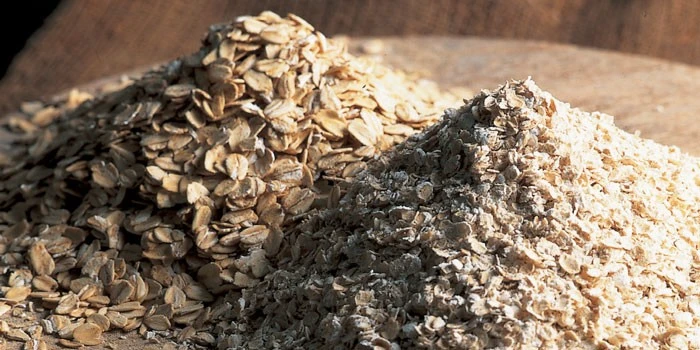


In a world where processed foods dominate our plates, finding simple yet powerful nutritional allies has become more important than ever. Oat bran stands out as one such ally—a humble yet remarkable component of the oat grain that packs an extraordinary nutritional punch. This comprehensive guide will walk you through everything you need to know about oat bran, from its basic definition to its impressive health benefits, nutritional profile, and practical ways to incorporate it into your daily routine.
Whether you're looking to improve your digestive health, manage cholesterol levels, or simply add more fiber to your diet, understanding oat bran can help you make informed decisions about your nutrition. By the end of this article, you'll have a clear picture of how this fiber powerhouse can support your wellness journey and practical knowledge to start using it effectively.
Oat bran is the outer layer of the oat grain, specifically the part that surrounds the oat groat (the inner kernel). When oats are processed to make oatmeal or other oat products, this nutrient-dense outer layer is often removed. However, oat bran can be collected and consumed separately, offering concentrated nutrition in a convenient form.
The processing of oat bran involves cleaning whole oats and then separating the bran from the inner grain through a milling process. This separation allows the bran to be collected as a distinct product. The result is a fine, powdery substance with a slightly nutty flavor and a texture that's finer than regular oatmeal.
Physically, oat bran appears as small, flaky particles that are lighter in color than wheat bran. It has a mild, pleasant taste that makes it easy to incorporate into various foods without overwhelming other flavors. This versatility, combined with its impressive nutritional profile, makes oat bran an excellent addition to a healthy diet.
While both oat bran and oatmeal come from the same grain, they differ significantly in their nutritional composition and characteristics. Understanding these differences can help you choose the right option for your specific health goals.
The most notable difference lies in fiber content. Oat bran contains approximately 15-20 grams of fiber per 100 grams, while regular oatmeal contains about 10 grams per 100 grams. This higher fiber concentration in oat bran is primarily due to the concentration of the outer layer, which naturally contains more fiber than the inner grain.
Processing methods also differ between the two. Oatmeal typically involves rolling or cutting the entire oat grain, while oat bran specifically isolates the outer layer. This means oat bran is more concentrated in certain nutrients, particularly beta-glucan, a type of soluble fiber known for its health benefits.
In terms of practical use, oatmeal works well as a standalone breakfast dish, while oat bran is often better suited as an addition to other foods like smoothies, baked goods, or yogurt. The texture difference also means they cook differently—oat bran becomes more gel-like when cooked, while oatmeal maintains more structure.
The nutritional profile of oat bran is truly impressive, making it a valuable addition to any health-conscious diet. A typical 100-gram serving of oat bran provides approximately 246 calories, making it a nutrient-dense food that offers substantial nutrition without excessive calories.
The macronutrient breakdown shows that oat bran contains about 17 grams of protein per 100 grams, which is notably higher than many other grain products. This protein content includes all essential amino acids, though not in optimal ratios, making it a good complementary protein source.
The star component of oat bran nutrition is its fiber content. With approximately 15-20 grams of total fiber per 100 grams, oat bran provides both soluble and insoluble fiber. The soluble fiber, primarily in the form of beta-glucan, makes up about 7-10 grams of this total. Beta-glucan is particularly valuable for its cholesterol-lowering and blood sugar-regulating properties.
Oat bran also provides important vitamins and minerals. It's rich in B vitamins, particularly thiamine, riboflavin, and niacin, which support energy metabolism. The mineral content includes significant amounts of manganese, phosphorus, magnesium, and iron. These nutrients work together to support various bodily functions, from bone health to oxygen transport.
Did You Know?
Oat bran contains more beta-glucan per serving than any other commonly consumed grain product. Just 40 grams of oat bran can provide about 3 grams of beta-glucan, which is the amount shown in studies to help lower cholesterol levels.
The health benefits of oat bran are well-documented in scientific literature, with research consistently showing positive effects across multiple areas of health. These benefits stem primarily from its high fiber content, particularly the beta-glucan soluble fiber.
One of the most studied benefits of oat bran relates to cardiovascular health. The beta-glucan fiber in oat bran has been shown to help lower total cholesterol and LDL (bad) cholesterol levels. This occurs because beta-glucan forms a gel-like substance in the digestive tract that binds to cholesterol-containing bile acids, helping remove them from the body.
Oat bran can help regulate blood sugar levels by slowing the absorption of glucose into the bloodstream. The soluble fiber creates a barrier that slows digestion, leading to more gradual rises in blood sugar after meals. This makes oat bran particularly beneficial for people managing diabetes or those looking to maintain stable energy levels throughout the day.
The high fiber content in oat bran supports digestive health in multiple ways. It adds bulk to stool, helping prevent constipation and promoting regular bowel movements. Additionally, the soluble fiber acts as a prebiotic, feeding beneficial gut bacteria and supporting a healthy gut microbiome.
Oat bran can support weight management goals through its effects on satiety and metabolism. The fiber content helps you feel full longer after eating, potentially reducing overall calorie intake. The slow digestion of oat bran also helps maintain steady energy levels, reducing cravings for quick-energy foods.
Adding oat bran to your diet is simpler than you might think. The recommended daily intake is typically 30-40 grams, which provides substantial fiber and other nutrients without overwhelming your digestive system.
Start slowly when introducing oat bran to your diet. Begin with 1-2 tablespoons per day and gradually increase over a week or two. This gradual approach helps your digestive system adjust to the increased fiber intake and minimizes potential side effects like gas or bloating.
The best times to consume oat bran are typically with meals, as the fiber can help slow digestion and improve nutrient absorption. Many people find that adding oat bran to breakfast works well, as it provides sustained energy throughout the morning.
Oat bran mixes well with various foods. You can stir it into yogurt, blend it into smoothies, or mix it into pancake or muffin batter. It can also be cooked as a hot cereal similar to oatmeal, though it will have a different texture—more creamy and less chewy than traditional oatmeal.
Incorporating oat bran into your meals doesn't have to be complicated. Here are some simple ways to enjoy this nutritious ingredient.
Oat bran muffins are a popular way to enjoy this ingredient. A basic recipe typically includes oat bran, flour, eggs, milk, and a small amount of sweetener. The oat bran adds fiber and nutrients while creating a tender, moist texture. These muffins can be customized with fruits, nuts, or spices to suit your preferences.
Cooking oat bran as a hot breakfast cereal is straightforward. Combine oat bran with water or milk in a 1:3 ratio and cook for 5-10 minutes, stirring frequently. The result is a creamy, satisfying breakfast that can be topped with fruits, nuts, or a drizzle of honey.
Adding a tablespoon or two of oat bran to smoothies is an easy way to boost fiber content without significantly changing the taste. The oat bran blends well and adds a slight thickness that many people enjoy.
While oat bran is generally safe for most people, there are some considerations to keep in mind. The most common side effects relate to the high fiber content and typically include gas, bloating, or changes in bowel movements, especially when first introducing oat bran to your diet.
To minimize these effects, start with small amounts and increase gradually. Also, make sure to drink plenty of water when consuming high-fiber foods like oat bran, as fiber needs adequate fluid to work effectively in your digestive system.
People with celiac disease should note that while oats are naturally gluten-free, they may be processed in facilities that also handle wheat, potentially leading to cross-contamination. Look for certified gluten-free oat bran if you have celiac disease or severe gluten sensitivity.
No, oat bran is specifically the outer layer of the oat grain, while oats refer to the whole grain. Oat bran is more concentrated in fiber and nutrients compared to whole oats or processed oat products like oatmeal.
Oat bran is excellent for supporting heart health, managing cholesterol levels, controlling blood sugar, improving digestive health, and supporting weight management. Its high beta-glucan fiber content makes it particularly effective for these health benefits.
Yes, you can safely consume oat bran daily. The recommended amount is 30-40 grams per day. Start with smaller amounts and gradually increase to allow your digestive system to adjust to the increased fiber intake.
The main disadvantages include potential digestive discomfort such as gas and bloating, especially when consumed in large quantities or introduced too quickly. These effects typically diminish as your body adjusts to the increased fiber intake.
Aim for 30-40 grams of oat bran daily, which provides approximately 15-20 grams of dietary fiber. This amount contributes significantly to the recommended daily fiber intake of 25-35 grams for adults.
Oat bran stands out as a simple yet powerful addition to a healthy diet, offering concentrated nutrition and proven health benefits. From supporting heart health and managing cholesterol to promoting digestive wellness and stable blood sugar levels, this fiber powerhouse delivers impressive results backed by scientific research. The key to success with oat bran lies in starting slowly, being consistent, and finding enjoyable ways to incorporate it into your daily routine. Whether you choose to add it to smoothies, bake it into muffins, or enjoy it as a warm breakfast cereal, oat bran can be a valuable ally in your journey toward better health. As you explore the world of functional nutrition, consider how simple, whole food ingredients like oat bran can make a meaningful difference in your overall wellness.


Someone sent you
Powered by ReferRush


