Plant-Based Wellness Nutrition: Complete Guide
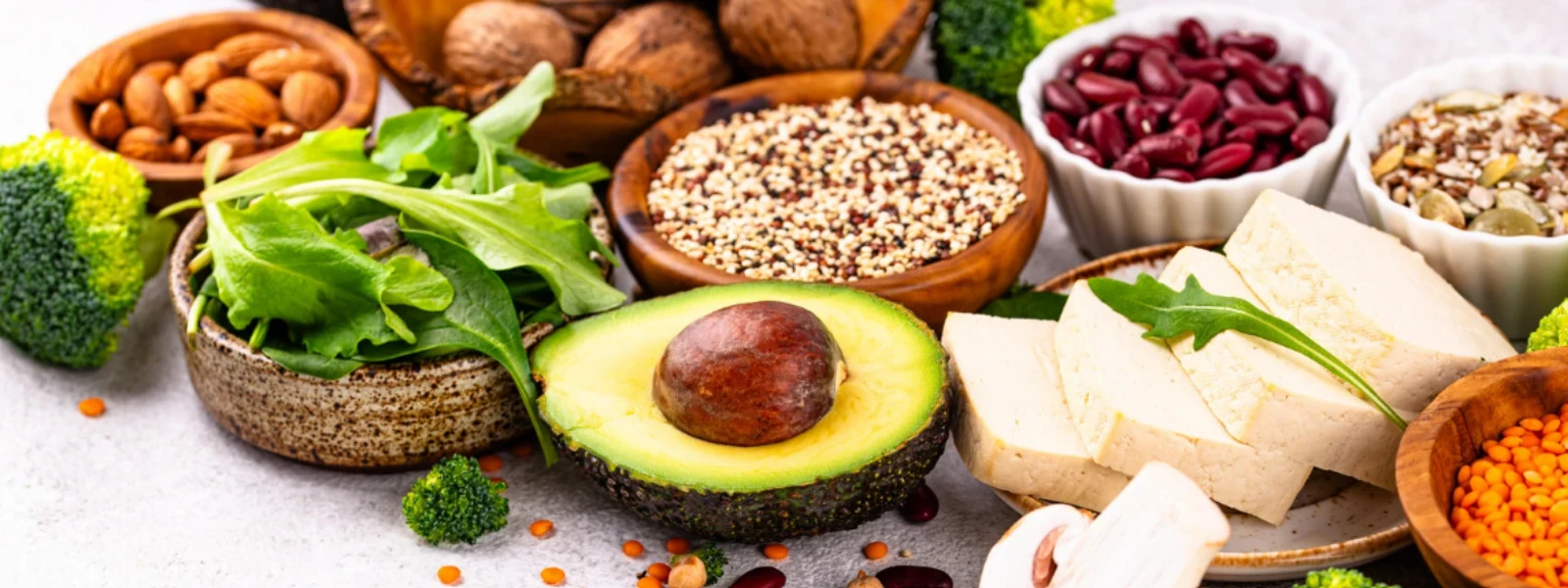


The shift toward plant-based wellness nutrition represents more than just a dietary trend—it's a science-backed approach to optimizing your body's natural healing processes. Research shows that plant-focused eating patterns can reduce inflammation by up to 29% while supporting gut health through diverse fiber sources and phytonutrients. This comprehensive guide will walk you through the fundamentals of plant-based wellness nutrition, from understanding its core principles to implementing practical strategies for gut detox and long-term health optimization.
Plant-based wellness nutrition centers on consuming whole, minimally processed foods derived from plants while maximizing nutrient density and bioavailability. Unlike restrictive dieting approaches, this framework emphasizes abundance—filling your plate with colorful vegetables, fruits, legumes, nuts, seeds, and whole grains that work synergistically to support optimal health.
The foundation of effective plant-based wellness nutrition rests on four key principles. First, prioritizing whole foods over processed alternatives ensures you receive the full spectrum of nutrients as nature intended. Second, maximizing nutrient density means choosing foods that pack the most vitamins, minerals, and phytonutrients per calorie. Third, selecting anti-inflammatory foods helps reduce chronic inflammation linked to various health conditions. Finally, optimizing micronutrient absorption through proper food combinations and preparation methods ensures your body can actually utilize these valuable nutrients.
Research published in the Journal of the American Heart Association demonstrates that people following plant-based eating patterns show significant improvements in cardiovascular markers, blood sugar regulation, and body composition within just eight weeks of consistent implementation.
The health benefits of plant-based wellness nutrition extend far beyond weight management. Studies indicate that plant-focused diets can reduce the risk of type 2 diabetes by 23% and certain cancers by up to 15%. Many people report enhanced energy levels within the first two weeks, attributed to improved blood sugar stability and reduced digestive burden from processed foods.
Mental clarity improvements often follow, likely due to increased antioxidant intake and reduced inflammation affecting brain function. The high fiber content in plant foods also supports healthy weight management by promoting satiety and supporting beneficial gut bacteria that influence metabolism.
Your gut microbiome—the trillions of bacteria living in your digestive system—plays a crucial role in overall wellness. Plant-based wellness nutrition provides the ideal environment for beneficial bacteria to thrive while supporting your body's natural detox processes.
Fiber acts as fuel for beneficial gut bacteria, with different types of fiber feeding various bacterial strains. Soluble fiber from oats, beans, and apples helps regulate blood sugar and cholesterol levels. Insoluble fiber from vegetables and whole grains promotes regular bowel movements and toxin elimination.
Prebiotic foods like garlic, onions, asparagus, and bananas contain specific compounds that selectively feed beneficial bacteria. Meanwhile, fermented plant foods such as sauerkraut, kimchi, and miso provide live probiotics that directly add beneficial strains to your gut ecosystem.
The gut-brain axis—the communication pathway between your digestive system and brain—also benefits from plant-based nutrition. A diverse microbiome produces neurotransmitters like serotonin, with approximately 90% of this "happiness hormone" manufactured in your gut.
Did You Know?
Research shows that people following plant-based diets have 25% more diverse gut bacteria compared to omnivores, which correlates with better immune function and reduced inflammation markers.
As your gut health improves through plant-based wellness nutrition, you'll notice several positive changes. Digestive comfort typically improves first, with reduced bloating, gas, and irregular bowel movements. Energy levels often stabilize as your gut bacteria better regulate blood sugar and produce B vitamins.
Skin health improvements frequently follow, as reduced inflammation and better toxin elimination show up as clearer, more radiant skin. Many people also experience mood stabilization, attributed to improved neurotransmitter production and reduced inflammatory compounds affecting brain function.
A well-designed plant-based detox cleanse supports your body's natural detoxification processes without extreme restrictions or deprivation. This approach focuses on providing nutrients that enhance liver function, support kidney health, and promote efficient toxin elimination.
Phase 1 (Days 1-2) involves gentle elimination of processed foods, caffeine, and refined sugars while increasing water intake and introducing detox-supporting foods. Focus on simple, easily digestible meals featuring steamed vegetables, herbal teas, and fresh fruits.
Phase 2 (Days 3-5) emphasizes restoration through nutrient-dense foods that support liver function and cellular repair. Include plenty of leafy greens, cruciferous vegetables, and antioxidant-rich berries while maintaining adequate protein from plant sources.
Phase 3 (Days 6-7) transitions into maintenance mode, establishing sustainable eating patterns that you can continue long-term. This phase reintroduces a wider variety of foods while maintaining the clean eating principles established during the cleanse.
Cruciferous vegetables like broccoli, cauliflower, and Brussels sprouts contain compounds that support liver detoxification pathways. These vegetables provide sulforaphane, which enhances the liver's ability to process and eliminate toxins.
Leafy greens such as spinach, kale, and arugula offer chlorophyll, which binds to heavy metals and supports their elimination. They also provide folate and other B vitamins essential for methylation—a key detoxification process.
Berries deliver powerful antioxidants that protect cells from oxidative stress while supporting kidney function. Herbs and spices like turmeric, ginger, and cilantro provide anti-inflammatory compounds that reduce the burden on detoxification organs.
Successful plant-based wellness nutrition requires attention to specific nutrients that may need extra consideration when eliminating animal products. With proper planning, a plant-based diet can meet all nutritional needs while supporting optimal health.
Contrary to common misconceptions, many plant foods provide complete proteins containing all essential amino acids. Quinoa, hemp seeds, spirulina, and chia seeds are excellent complete protein sources that can form the foundation of your protein intake.
Traditional food combinations like rice and beans, hummus and whole grain pita, or peanut butter and whole grain bread create complete proteins by combining complementary amino acid profiles. Aim for 0.8-1.2 grams of protein per kilogram of body weight, distributed throughout the day for optimal absorption.
Vitamin b12 requires supplementation or fortified foods, as it's primarily found in animal products. Choose methylcobalamin or cyanocobalamin forms, taking 250-500 micrograms daily or 2,500 micrograms weekly.
Iron absorption improves when plant-based iron sources are consumed with Vitamin C-rich foods. Pair iron-rich foods like lentils, spinach, and pumpkin seeds with citrus fruits, bell peppers, or strawberries. Avoid consuming tea or coffee with iron-rich meals, as tannins can inhibit absorption.
Omega-3 fatty acids come from algae-based supplements, flaxseeds, chia seeds, and walnuts. Consider supplementing with algae-derived EPA and DHA to ensure adequate intake of these crucial fatty acids.
Implementing plant-based wellness nutrition becomes easier with a collection of delicious, nutrient-dense recipes that support your health goals. These recipes focus on whole food ingredients that provide maximum nutritional benefit while satisfying your taste preferences.
Start your day with anti-inflammatory smoothie bowls featuring berries, leafy greens, and plant-based protein powder. Top with hemp seeds, chia seeds, and fresh fruit for added nutrients and texture.
Fiber-rich overnight oats provide sustained energy while feeding beneficial gut bacteria. Combine rolled oats with plant milk, ground flaxseed, and fresh berries. Let sit overnight and top with nuts and seeds in the morning.
Fermented options like coconut yogurt with live cultures support probiotic intake. Add fresh fruit, nuts, and a drizzle of pure maple syrup for natural sweetness.
Create colorful salad combinations featuring dark leafy greens, roasted vegetables, legumes, and healthy fats from avocado or nuts. Use tahini-based dressings or lemon-herb vinaigrettes for added flavor without processed ingredients.
Healing soups and stews provide comfort while delivering concentrated nutrition. Combine vegetables, legumes, and healing spices like turmeric and ginger in a nourishing broth.
One-pot meals simplify preparation while ensuring balanced nutrition. Try quinoa and vegetable stir-fries, lentil and vegetable curries, or bean and grain bowls with fresh herbs and healthy fats.
Successful implementation of plant-based wellness nutrition requires a personalized approach that considers your current health status, lifestyle, and specific goals. This individualized strategy ensures sustainable long-term success.
Begin by evaluating your current eating patterns, energy levels, digestive health, and any specific health concerns. Set realistic, measurable goals such as increasing vegetable intake, improving energy levels, or supporting digestive comfort.
Create a timeline with specific milestones, such as incorporating one new plant-based meal per day for the first week, then gradually increasing plant food portions while reducing processed foods.
Weekly meal planning prevents decision fatigue and ensures you have nutritious options readily available. Dedicate time each week to plan meals, create shopping lists, and prep ingredients.
Batch cooking techniques save time while ensuring you always have healthy options available. Prepare large quantities of grains, legumes, and roasted vegetables that can be mixed and matched throughout the week.
Develop emergency meal solutions for busy days, such as quick smoothies, pre-made salads, or simple grain bowls that can be assembled in minutes.
Most people experience improved energy within 1-2 weeks, with digestive improvements appearing in 2-4 weeks and significant wellness changes within 2-3 months of consistent plant-based eating.
Yes, a well-planned plant-based diet can meet all nutritional needs. Focus on variety, supplement Vitamin b12, and monitor key nutrients like iron, omega-3s, and Vitamin D.
Plant-based wellness nutrition emphasizes whole, minimally processed foods for optimal health, while vegan nutrition simply excludes animal products but may include processed vegan foods.
Plant foods provide fiber that feeds beneficial gut bacteria, antioxidants that reduce inflammation, and compounds that support the liver's natural detoxification processes.
Absolutely. Plant-based recipes can be adapted for all family members, providing essential nutrients for growing children and adults while introducing diverse flavors and textures.
Plant-based wellness nutrition offers a scientifically-supported pathway to optimal health through whole food nutrition that supports your body's natural healing processes. By focusing on nutrient-dense plant foods, supporting gut health, and implementing practical meal planning strategies, you can experience improved energy, better digestive health, and enhanced overall wellness. The key to success lies in gradual implementation, proper nutrient planning, and finding delicious recipes that make this lifestyle sustainable and enjoyable. Whether you're beginning your plant-based journey or looking to optimize your current approach, these evidence-based strategies provide a solid foundation for long-term health and vitality.




Someone sent you
Powered by ReferRush


