Potassium & Electrolytes: Your Complete Guide


Your body operates like a sophisticated electrical system, with billions of cells communicating through precise chemical signals. At the heart of this intricate network are electrolytes—minerals that carry electrical charges and enable everything from muscle contractions to nerve transmissions. Among these essential minerals, potassium stands out as a master regulator, working tirelessly to maintain cellular balance and optimal body function.
Understanding how potassium in electrolytes helps your body can transform your approach to health and wellness. This comprehensive guide explores the science behind electrolyte function, reveals the powerful benefits of maintaining proper potassium levels, and provides practical strategies for supporting your body's electrical system naturally.
Electrolytes are minerals that dissolve in body fluids and carry electrical charges. These charged particles enable your cells to communicate, maintain proper fluid balance, and perform countless vital functions. The primary electrolytes include sodium, potassium, magnesium, and calcium—each playing distinct yet interconnected roles in your health.
When dissolved in water, electrolytes split into positive and negative ions. This electrical activity allows them to conduct nerve impulses, trigger muscle contractions, and regulate the movement of nutrients and waste products across cell membranes. Without adequate electrolyte levels, your body's electrical system begins to malfunction.
Electrolyte function extends far beyond simple hydration. These minerals maintain your body's pH balance, ensuring that your blood and tissues remain within the narrow range necessary for optimal enzyme function. They also regulate blood pressure by controlling fluid retention and blood vessel constriction.
The delicate balance between different electrolytes is crucial. For instance, sodium and potassium work together in what scientists call the sodium-potassium pump—a mechanism that maintains proper fluid distribution between the inside and outside of cells. This partnership is so fundamental that disrupting it can affect every system in your body.
Potassium serves as the primary electrolyte inside your cells, making up about 98% of your body's total potassium content. This strategic positioning allows potassium to regulate cellular fluid balance with remarkable precision. When potassium levels are optimal, your cells maintain proper hydration and can efficiently transport nutrients while eliminating waste products.
The cardiovascular benefits of adequate potassium intake are particularly impressive. Research consistently shows that higher potassium consumption supports healthy blood pressure levels by counteracting sodium's effects on blood vessels. Potassium helps blood vessels relax and promotes the elimination of excess sodium through the kidneys.
Muscle function depends heavily on potassium's electrical properties. Every muscle contraction—from your heartbeat to voluntary movements—requires precise potassium levels to generate and transmit electrical signals. When potassium is insufficient, muscles may cramp, feel weak, or fail to contract properly.
Nerve signal transmission represents another critical area where potassium excels. Your nervous system relies on rapid changes in potassium concentrations to send messages throughout your body. These electrical impulses control everything from reflexes to complex cognitive processes.
True hydration involves more than simply drinking water—it requires maintaining optimal fluid distribution at the cellular level. Potassium plays a starring role in this process by regulating how much water your cells retain and release.
The sodium-potassium pump mechanism illustrates this beautifully. This cellular machinery continuously moves sodium out of cells while bringing potassium in, creating an electrical gradient that drives water movement. When this system functions properly, your cells maintain ideal hydration levels regardless of external conditions.
This explains why athletes and active individuals often experience better hydration when they consume electrolytes rather than plain water alone. Potassium helps ensure that the water you drink actually reaches and benefits your cells rather than simply passing through your system.
Did You Know?
Your body contains approximately 140 grams of potassium, with 98% stored inside your cells. This intracellular concentration is about 30 times higher than the potassium levels in your blood, creating the electrical gradient necessary for cellular communication and proper hydration.
The connection between gut health electrolytes and digestive function reveals another fascinating aspect of potassium's importance. Your intestinal tract relies on precise electrolyte balance to maintain its protective barrier and ensure proper nutrient absorption.
Potassium contributes to stomach acid production, which is essential for breaking down proteins and absorbing minerals like iron and Vitamin B12. Without adequate potassium, your digestive system may struggle to extract nutrients from food effectively, potentially leading to deficiencies despite a healthy diet.
Digestive motility—the coordinated muscle contractions that move food through your intestines—depends on proper electrolyte balance. Potassium deficiency can slow this process, contributing to digestive discomfort and irregular bowel movements.
The gut microbiome also benefits from balanced electrolyte levels. Beneficial bacteria thrive in an environment with optimal mineral concentrations, while harmful microorganisms may proliferate when electrolyte imbalances occur. This connection highlights how supporting electrolyte balance can indirectly promote a healthier gut ecosystem.
Potassium deficiency symptoms often develop gradually, making them easy to overlook initially. Early signs include persistent fatigue that doesn't improve with rest, muscle weakness that affects daily activities, and frequent muscle cramps, particularly in the legs and feet.
Cognitive effects of electrolyte imbalance can be equally concerning. Many people experience brain fog, difficulty concentrating, and mood changes when their potassium levels drop. These symptoms occur because nerve function becomes compromised when electrolyte balance is disrupted.
Physical symptoms may progress to include irregular heartbeat, increased blood pressure, and digestive issues like constipation. In severe cases, potassium deficiency can cause dangerous heart rhythm abnormalities that require immediate medical attention.
Several factors increase the risk of developing potassium deficiency. Excessive sweating from intense exercise or hot weather, certain medications like diuretics, and diets high in processed foods but low in fruits and vegetables all contribute to inadequate potassium levels.
The benefits of electrolytes extend throughout your entire body, creating a foundation for optimal health and performance. Athletes often notice improved endurance and faster recovery when they maintain proper electrolyte balance, as their muscles can contract more efficiently and repair more quickly.
Sleep quality frequently improves with adequate electrolyte intake. Magnesium and potassium work together to promote muscle relaxation and nervous system calm, making it easier to fall asleep and achieve deeper, more restorative rest.
Cognitive function benefits significantly from proper electrolyte balance. Your brain tissue contains high concentrations of electrolytes, and maintaining optimal levels supports mental clarity, memory formation, and emotional stability.
Cardiovascular protection represents one of the most well-documented benefits of adequate potassium intake. Regular consumption of potassium-rich foods is associated with lower blood pressure, reduced stroke risk, and improved overall heart health.
Kidney function optimization occurs when electrolyte balance is maintained. Your kidneys work more efficiently to filter waste products and regulate fluid balance when they have adequate potassium and other essential minerals to work with.
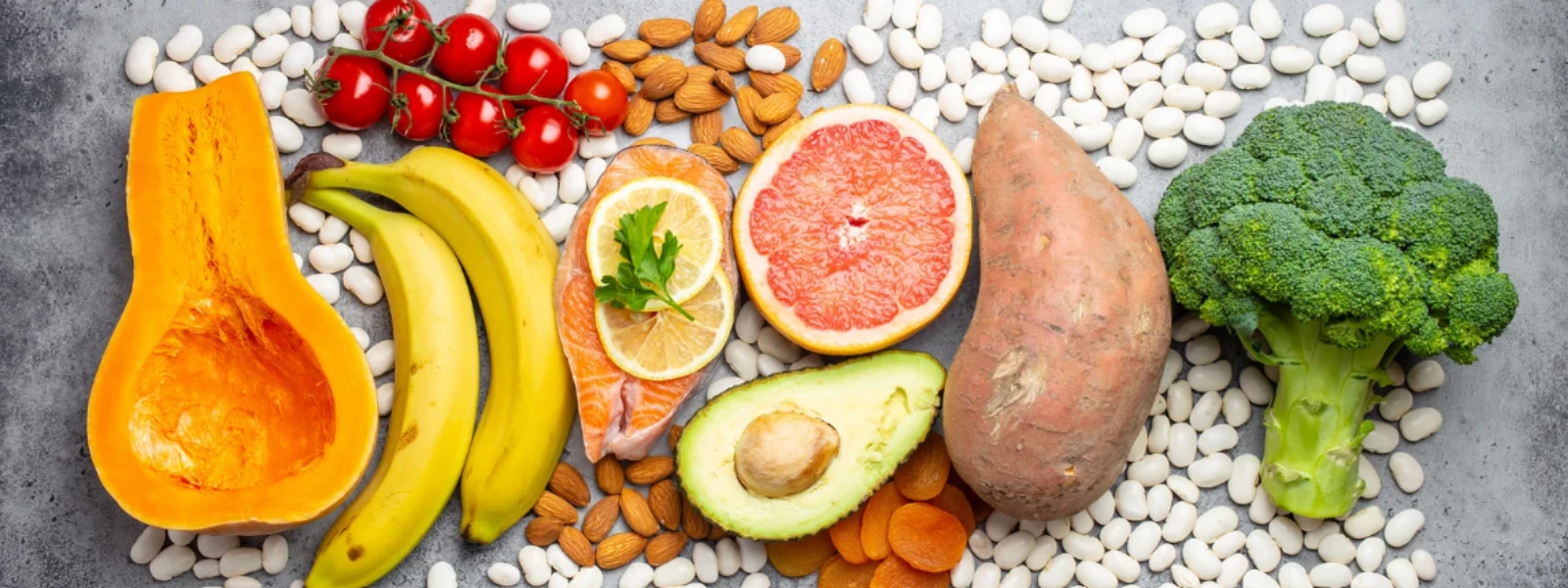
Understanding the types of electrolytes and their food sources empowers you to make informed dietary choices. Potassium rich foods include bananas, avocados, spinach, sweet potatoes, and white beans. These whole food sources provide potassium alongside other beneficial nutrients like fiber, vitamins, and antioxidants.
Leafy green vegetables like spinach and kale offer exceptional potassium density while also providing magnesium and calcium. Fruits such as oranges, melons, and tomatoes contribute significant potassium along with Vitamin C and other protective compounds.
Creating balanced electrolyte meals involves combining foods that provide multiple minerals. A salad with spinach, avocado, and nuts delivers potassium, magnesium, and healthy fats. Adding a piece of fruit provides additional potassium and natural sugars for energy.
Timing considerations for electrolyte intake can optimize absorption and utilization. Consuming potassium-rich foods throughout the day rather than in large amounts at once allows for better absorption and maintains steady electrolyte levels.
While whole foods should be your primary source of electrolytes, certain situations may warrant supplementation. Intense physical activity, illness, or specific health conditions might increase electrolyte needs beyond what diet alone can provide.
Adults typically need about 3,500-4,700 mg of potassium daily, though individual needs vary based on activity level, health status, and other factors. Most people fall short of this target, consuming only about half the recommended amount through their regular diet.
While potassium toxicity from food sources is rare in healthy individuals, excessive supplementation can be dangerous, especially for people with kidney problems. Your kidneys normally regulate potassium levels effectively, but certain medications or health conditions can interfere with this process.
The optimal timing depends on your goals and lifestyle. For general health, spreading electrolyte-rich foods throughout the day works well. Athletes may benefit from consuming electrolytes before, during, and after intense exercise to maintain performance and support recovery.
A diet rich in fruits, vegetables, and whole foods typically provides adequate electrolytes for most people. However, factors like intense exercise, hot weather, certain medications, or specific health conditions may increase your needs beyond what food alone can provide.
Electrolytes support natural detoxification by maintaining proper cellular function and hydration. They help your liver and kidneys process waste products efficiently while supporting the intestinal barrier that prevents harmful substances from entering your bloodstream. Proper electrolyte balance also promotes healthy digestive motility, which aids in the elimination of waste products.
Understanding how potassium in electrolytes helps your body reveals the intricate connections between nutrition and optimal health. From supporting cellular hydration and nerve function to promoting cardiovascular health and digestive wellness, potassium serves as a cornerstone of your body's electrical system. By prioritizing potassium-rich foods and maintaining proper electrolyte balance, you can support your body's natural functions and enhance your overall well-being. Consider exploring comprehensive wellness solutions that address your individual nutritional needs and support your journey toward optimal health.




Someone sent you
Powered by ReferRush


