Prebiotics & Food: Your Complete Guide to Timing
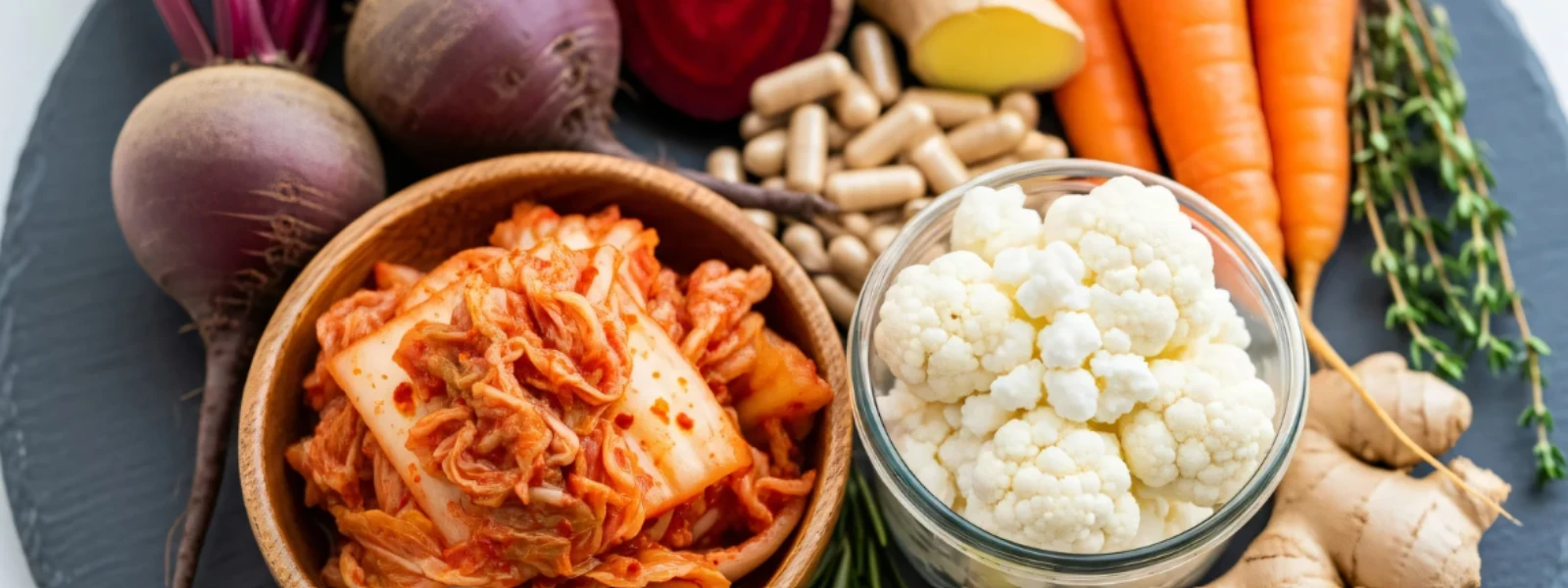


Understanding when and how to take prebiotics can make the difference between experiencing their full gut health benefits or missing out on their potential. While prebiotics are naturally found in many foods, supplementation timing plays a crucial role in their effectiveness. This guide explores the science behind prebiotic timing, helping you optimize your gut health routine for maximum benefits.
Prebiotics are specialized plant fibers that serve as food for beneficial bacteria in your gut. Unlike probiotics, which are live bacteria themselves, prebiotics act as fuel to help existing good bacteria thrive and multiply. These non-digestible compounds pass through your upper digestive tract unchanged, reaching your colon where they ferment and support gut bacteria diversity.
The timing of prebiotic consumption affects how effectively these compounds reach their target destination. Your digestive system processes food and supplements differently throughout the day, influencing absorption rates and bacterial feeding patterns. Research shows that stomach acid levels, digestive enzyme activity, and gut transit time all impact prebiotic effectiveness.
When prebiotics reach your colon at optimal concentrations, they promote the growth of beneficial bacteria like Bifidobacterium and Lactobacillus. This process supports digestive health, immune function, and even mood regulation through the gut-brain connection.
Clinical studies indicate that taking prebiotics with food generally enhances their effectiveness and reduces potential side effects. Food consumption triggers digestive processes that create favorable conditions for prebiotic delivery to the colon.
When you eat, your stomach produces digestive juices and enzymes that help break down food components. This environment protects prebiotics from excessive stomach acid exposure, which could potentially degrade some sensitive compounds. Additionally, food slows gastric emptying, allowing prebiotics more time to mix with digestive contents before moving to the small intestine.
Research published in digestive health journals shows that prebiotics taken with meals demonstrate better tolerance and fewer gastrointestinal side effects compared to empty stomach consumption. The presence of food creates a buffering effect, reducing the likelihood of digestive discomfort that some people experience when starting prebiotic supplementation.
Studies comparing prebiotic absorption rates reveal interesting findings about timing strategies. When taken with food, prebiotics show more consistent delivery to the colon and better integration with existing gut bacteria populations. The slower transit time allows for gradual release and fermentation, supporting sustained bacterial feeding.
Empty stomach consumption may lead to faster transit through the upper digestive tract, potentially reducing the time available for optimal bacterial interaction. However, individual tolerance varies, and some people may prefer empty stomach timing if they experience better digestive comfort.
Did You Know?
Your gut bacteria follow circadian rhythms, with different bacterial populations being more active at various times of day. Taking prebiotics with your largest meal can align with peak bacterial activity periods for enhanced benefits.
The optimal timing for prebiotics depends on your individual schedule, digestive patterns, and health goals. Most research suggests taking prebiotics with breakfast or dinner provides the best combination of effectiveness and convenience.
Morning consumption with breakfast offers several advantages. Your digestive system is naturally more active after overnight fasting, and taking prebiotics early ensures consistent daily timing. This approach also allows the compounds to work throughout the day, supporting sustained bacterial feeding.
Evening timing with dinner may benefit those following gut cleanse routines or seeking overnight digestive support. The longer overnight period allows extended fermentation time, potentially enhancing bacterial growth and metabolite production.
Creating a consistent supplementation schedule maximizes prebiotic benefits. Consider taking prebiotics with your largest meal of the day, as this provides the most substantial food buffer and digestive activity. If you take multiple gut health supplements, space them appropriately to avoid overwhelming your digestive system.
For those combining prebiotics with probiotics, taking them together with food can enhance the synergistic effects. The prebiotics provide immediate fuel for both supplemented and existing bacteria, supporting overall gut microbiome balance.
Different prebiotic compounds may have varying timing requirements based on their chemical structure and fermentation characteristics. Understanding these differences helps optimize your supplementation strategy.
Inulin, one of the most studied prebiotics, shows excellent stability and effectiveness when taken with meals. This fiber ferments slowly in the colon, providing sustained bacterial feeding over several hours. Taking inulin with food reduces the risk of initial digestive discomfort that some people experience.
Fructooligosaccharides (FOS) and galactooligosaccharides (GOS) are shorter-chain prebiotics that ferment more quickly. These compounds may benefit from meal timing to ensure proper delivery and reduce potential gas production that can occur with rapid fermentation.
Starting with lower doses and gradually increasing helps your gut bacteria adapt to increased prebiotic availability. Most experts recommend beginning with 2-5 grams daily and slowly increasing to 10-15 grams over several weeks. This gradual approach minimizes side effects while allowing your gut microbiome to adjust.
Individual tolerance varies significantly, so pay attention to your body's responses and adjust timing or dosage accordingly. Some people may need to start with even smaller amounts or take prebiotics every other day initially.
Consistent timing enhances the long-term benefits of prebiotic supplementation. Regular feeding schedules help establish stable bacterial populations and improve overall gut health markers. Research shows that consistent prebiotic intake leads to increased bacterial diversity and improved digestive function over time.
The benefits of proper prebiotic timing extend beyond digestive health. Well-fed gut bacteria produce beneficial metabolites like short-chain fatty acids, which support immune function, reduce inflammation, and may even influence mood and cognitive function through the gut-brain axis.
Positive indicators of effective prebiotic timing include improved digestive regularity, reduced bloating, and better overall gut comfort. Many people notice these improvements within 2-4 weeks of consistent supplementation. Enhanced energy levels and improved mood may also indicate successful gut microbiome support.
Common side effects like gas, bloating, and digestive discomfort often relate to timing and dosage rather than the prebiotics themselves. These symptoms typically occur when beneficial bacteria rapidly ferment prebiotic compounds, producing gas as a byproduct.
Taking prebiotics with food significantly reduces these side effects by slowing the fermentation process and providing a more gradual bacterial feeding pattern. The presence of other food components helps buffer the fermentation process and reduces the likelihood of excessive gas production.
If you experience persistent digestive discomfort, consider adjusting your timing or reducing your dose temporarily. Some people benefit from splitting their daily prebiotic dose between two meals rather than taking it all at once. This approach provides more consistent bacterial feeding while reducing the risk of overwhelming your digestive system.
Staying well-hydrated when taking prebiotics also helps minimize side effects and supports proper fiber function in your digestive tract.
While possible, taking prebiotics with food is generally recommended for better tolerance and effectiveness. Empty stomach consumption may lead to faster transit through your digestive system and potentially more side effects. However, individual tolerance varies, and some people may prefer empty stomach timing if they experience better digestive comfort.
Taking prebiotics with meals or within 30 minutes of eating provides optimal benefits. There's no need to wait between food and prebiotic consumption, as the presence of food actually enhances prebiotic effectiveness and reduces potential side effects.
Prebiotics generally don't interact negatively with foods and may actually enhance the absorption of certain nutrients. However, they can affect the absorption timing of some medications by slowing gastric emptying. If you take medications, consult your healthcare provider about appropriate spacing between medication and prebiotic consumption.
During gut cleanse routines, taking prebiotics with meals helps support beneficial bacteria while your system eliminates toxins. Evening consumption may be particularly beneficial during cleanses, as the overnight period allows extended bacterial feeding and metabolite production to support the cleansing process.
Effective prebiotic timing typically results in improved digestive regularity, reduced bloating, and better overall gut comfort within 2-4 weeks. Enhanced energy levels, improved mood, and fewer digestive issues are also positive indicators that your timing strategy is working well for your individual needs.
Taking prebiotics with food offers the best combination of effectiveness, tolerance, and convenience for most people. This timing strategy enhances prebiotic delivery to beneficial gut bacteria while minimizing potential side effects. The key to success lies in consistency, gradual dose increases, and paying attention to your body's individual responses. Whether you're supporting general gut health or following a specific cleanse routine, proper prebiotic timing can significantly enhance your digestive wellness journey. Consider exploring comprehensive gut health solutions that combine prebiotics with other beneficial compounds to maximize your digestive health outcomes.




Someone sent you
Powered by ReferRush


