Probiotics & Gut Inflammation: Your Complete Guide
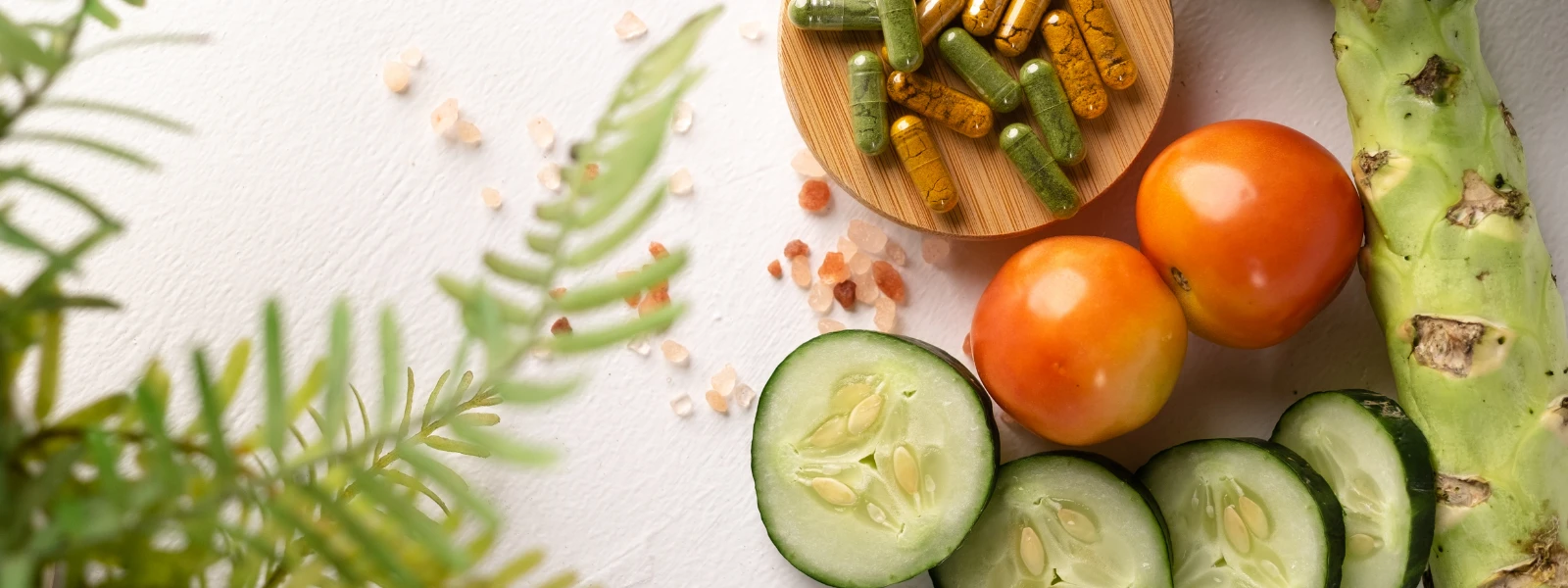


Your gut houses trillions of bacteria that play a crucial role in your overall health. When this delicate ecosystem becomes imbalanced, it can trigger inflammation that affects everything from digestion to immunity. Recent research reveals that probiotics can help reduce gut inflammation by restoring bacterial balance and strengthening your intestinal barrier. This comprehensive guide explores the science behind probiotics for inflammation relief and provides evidence-based strategies to naturally support your gut health.
Gut inflammation occurs when your intestinal lining becomes irritated and swollen. This condition affects millions of people worldwide, often going undiagnosed for years. The inflammation can disrupt nutrient absorption, weaken immune function, and create a cascade of health issues throughout your body.
Common symptoms include bloating, gas, abdominal pain, irregular bowel movements, and food sensitivities. Many people also experience fatigue, brain fog, and mood changes due to the gut-brain connection. The modern lifestyle, with its processed foods, stress, and antibiotic use, has created an epidemic of gut inflammation.
Your gut contains approximately 70% of your immune system. When inflammation occurs, it triggers an immune response that can become chronic if left unchecked. This chronic state affects your body's ability to fight infections, regulate hormones, and maintain mental clarity.
Research shows that gut inflammation directly impacts brain function through the vagus nerve and inflammatory molecules called cytokines. These signals can influence mood, cognitive performance, and stress response. Understanding this connection helps explain why gut health is fundamental to overall wellness.
Probiotics work through multiple mechanisms to reduce gut inflammation. These beneficial bacteria produce short-chain fatty acids (SCFAs) that nourish intestinal cells and strengthen the gut barrier. They also compete with harmful bacteria for space and nutrients, preventing pathogenic overgrowth.
Clinical studies demonstrate that specific probiotic strains can significantly reduce inflammatory markers in the gut. A 2019 study published in the Journal of Clinical Medicine found that participants taking probiotics for eight weeks showed decreased levels of inflammatory cytokines and improved intestinal permeability.
Anti-inflammatory probiotics work by modulating immune responses and producing beneficial compounds. They help regulate T-cell activity, reduce pro-inflammatory cytokines like TNF-alpha and IL-6, and increase anti-inflammatory molecules such as IL-10.
Did You Know?
Probiotics can reduce gut inflammation markers by up to 50% within 8-12 weeks of consistent use, according to multiple clinical trials. The key is choosing the right strains and maintaining consistent intake.
Probiotics strengthen the intestinal barrier by increasing tight junction proteins between gut cells. This prevents harmful substances from entering your bloodstream and triggering systemic inflammation. They also produce antimicrobial peptides that naturally fight off pathogenic bacteria.
The fermentation process creates beneficial metabolites that directly reduce inflammation. Butyrate, a key SCFA produced by certain probiotic strains, serves as fuel for colon cells and has potent anti-inflammatory properties.
Not all probiotics are created equal when it comes to reducing gut inflammation. Research has identified specific strains with proven anti-inflammatory effects. Understanding these strains helps you make informed choices about probiotic supplementation.
Lactobacillus rhamnosus GG is one of the most studied strains for gut inflammation. It produces lactic acid and other compounds that create an inhospitable environment for harmful bacteria while supporting beneficial microbes.
Bifidobacterium longum excels at producing butyrate and other SCFAs that directly nourish gut cells and reduce inflammation. This strain is particularly effective for people with food sensitivities and digestive discomfort.
Lactobacillus plantarum demonstrates strong anti-inflammatory properties and helps restore gut barrier function. Studies show it can significantly reduce symptoms in people with inflammatory bowel conditions.
Saccharomyces boulardii is a beneficial yeast that works differently from bacterial probiotics. It helps prevent antibiotic-associated inflammation and supports recovery from digestive disruptions.
Research suggests that multi-strain probiotics may offer superior benefits for gut inflammation relief. Different strains work synergistically, with each contributing unique anti-inflammatory mechanisms. However, single-strain formulations can be effective when targeting specific conditions.
Incorporating probiotics into your daily routine requires strategic planning for maximum effectiveness. The timing, dosage, and combination with other nutrients all influence their anti-inflammatory potential.
Taking probiotics on an empty stomach or with a small amount of food enhances survival through stomach acid. Most experts recommend morning consumption, though consistency matters more than specific timing. Start with lower doses and gradually increase to allow your gut to adapt.
Combining probiotics with prebiotics creates a synergistic effect called synbiotics. Prebiotics feed beneficial bacteria, helping them establish and thrive in your gut. Foods like garlic, onions, and asparagus provide natural prebiotics that support probiotic effectiveness.
Stress management plays a crucial role in probiotic effectiveness. Chronic stress increases cortisol levels, which can disrupt gut bacteria and reduce probiotic benefits. Regular exercise, meditation, and adequate sleep support a healthy gut environment.
Avoiding unnecessary antibiotics and limiting processed foods helps maintain the beneficial effects of probiotics. These substances can disrupt gut bacteria balance and counteract anti-inflammatory benefits.
Different types of gut inflammation respond to specific probiotic approaches. Understanding your particular condition helps guide strain selection and dosage decisions.
Leaky gut syndrome, characterized by increased intestinal permeability, benefits from probiotics that strengthen tight junctions. Strains like Lactobacillus casei and Bifidobacterium breve show particular promise for restoring gut barrier function.
For people with food sensitivities, probiotics can help reduce inflammatory responses to trigger foods. They modulate immune reactions and may help expand food tolerance over time. However, this process requires patience and consistent supplementation.
Post-antibiotic gut recovery represents a critical time for probiotic intervention. Antibiotics can eliminate both harmful and beneficial bacteria, creating opportunities for pathogenic overgrowth. Probiotics help restore balance and prevent inflammation during this vulnerable period.
As we age, gut bacteria diversity naturally decreases, potentially leading to increased inflammation. Probiotics can help maintain bacterial diversity and support healthy aging. Older adults may benefit from higher doses or specific strains targeting age-related gut changes.
Diet plays a fundamental role in supporting probiotic effectiveness and reducing gut inflammation. Certain foods enhance probiotic benefits, while others can counteract their anti-inflammatory effects.
Anti-inflammatory foods include fatty fish rich in omega-3s, colorful vegetables packed with antioxidants, and fermented foods that provide natural probiotics. These foods work synergistically with probiotic supplements to create a comprehensive anti-inflammatory approach.
Avoiding inflammatory foods is equally important. Processed foods, excessive sugar, and trans fats can trigger gut inflammation and reduce probiotic effectiveness. Identifying and eliminating personal trigger foods helps create an optimal environment for gut healing.
Adequate hydration supports gut health by maintaining proper mucus production and facilitating nutrient transport. Aim for clear urine as an indicator of proper hydration status.
Creating structured meal plans helps ensure consistent anti-inflammatory nutrition. Include probiotic-rich foods like yogurt, kefir, and sauerkraut alongside prebiotic foods that feed beneficial bacteria. This combination supports both immediate and long-term gut health.
Selecting effective probiotic supplements requires understanding quality markers and formulation factors. Not all products deliver the promised benefits, making informed selection crucial for success.
Look for products with clearly identified strains, not just genus and species names. Effective probiotics list specific strain designations like "Lactobacillus rhamnosus GG" rather than generic "Lactobacillus rhamnosus."
CFU (colony-forming units) counts should be guaranteed through expiration, not just at manufacture. Quality products use protective packaging and storage methods to maintain potency. Enteric-coated capsules or specialized delivery systems help ensure probiotic survival through stomach acid.
Third-party testing for purity and potency provides additional quality assurance. Reputable manufacturers invest in testing to verify their products meet label claims and remain free from contaminants.
Proper storage maintains probiotic effectiveness throughout the product's shelf life. Some probiotics require refrigeration, while others remain stable at room temperature. Follow manufacturer guidelines to preserve potency and maximize anti-inflammatory benefits.
Most people notice initial improvements within 2-4 weeks of consistent probiotic use. However, significant reduction in gut inflammation typically requires 8-12 weeks of regular supplementation. Individual responses vary based on the severity of inflammation, overall health status, and specific probiotic strains used.
Some people experience temporary digestive discomfort when starting probiotics, including mild bloating or gas. This usually resolves within a few days to two weeks as your gut adjusts. Starting with lower doses and gradually increasing can minimize these temporary effects.
Taking probiotics on an empty stomach or with a light meal optimizes their survival and effectiveness. Many people prefer morning consumption, but consistency matters more than specific timing. Avoid taking probiotics with hot beverages or immediately after consuming alcohol.
Probiotics are generally safe for healthy individuals. Mild digestive symptoms may occur initially but typically resolve quickly. People with compromised immune systems or serious underlying conditions should consult healthcare providers before starting probiotic supplementation.
Children can safely use age-appropriate probiotic formulations under proper guidance. Pediatric dosages differ from adult recommendations, and certain strains are specifically researched for children. Always consult with a pediatrician before giving probiotics to children, especially those under two years old.
Probiotics offer a scientifically-backed approach to reducing gut inflammation naturally. By understanding the mechanisms behind probiotic action and selecting appropriate strains, you can support your gut health and overall wellness. Remember that consistency is key – probiotics work best when taken regularly as part of a comprehensive gut health strategy that includes proper nutrition, stress management, and lifestyle modifications. While individual responses vary, many people experience significant improvements in gut inflammation and related symptoms within 8-12 weeks of consistent probiotic use. Consider exploring quality probiotic supplements and gut-supporting nutrients as part of your journey toward optimal digestive health.




Someone sent you
Powered by ReferRush


