Special Foods for Gut Health: Your Complete Guide
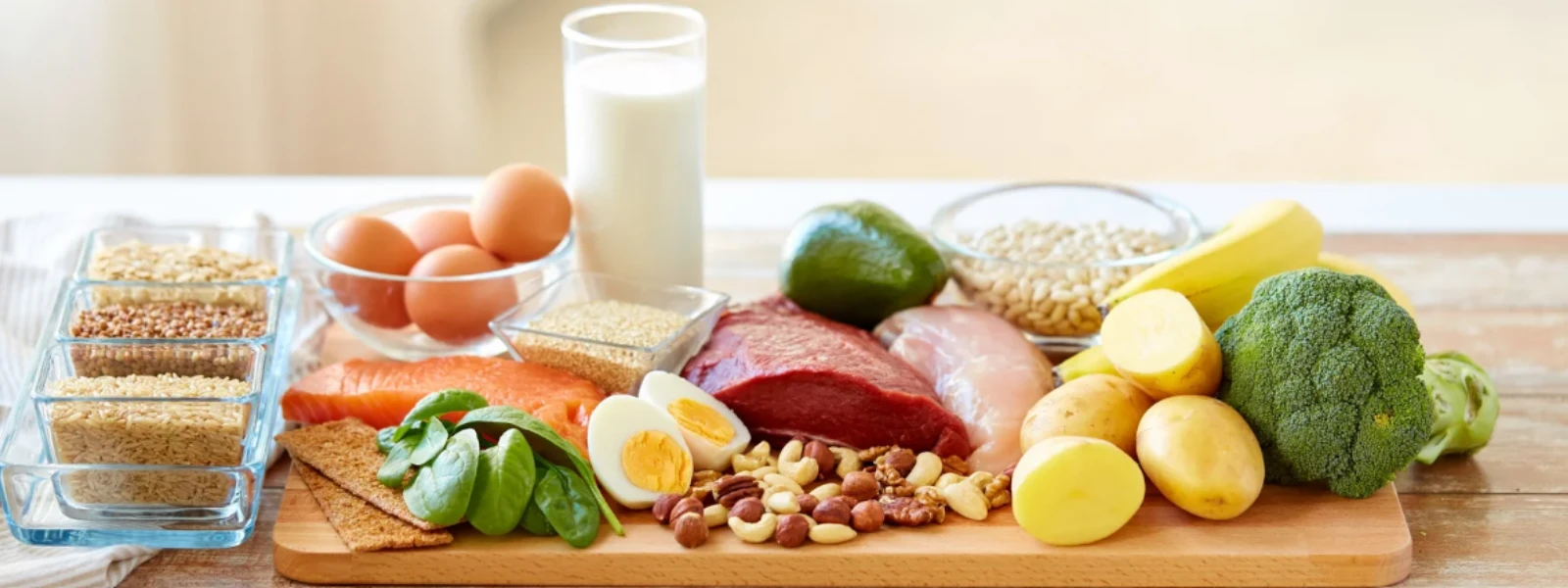


Your gut health affects everything from your mood to your immune system. The foods you eat can either support or harm the trillions of bacteria living in your digestive tract. Special foods for gut health go beyond basic nutrition - they actively work to heal, restore, and maintain your digestive system.
This guide will help you understand which foods can transform your gut health naturally. You'll learn about probiotic foods, prebiotic foods, and anti-inflammatory options that support digestive wellness. By the end, you'll have a clear roadmap for choosing the right special food options for your unique needs.
Special foods for gut health contain specific compounds that directly benefit your digestive system. Unlike regular foods that simply provide calories and basic nutrients, these foods actively support gut healing and bacterial balance.
Your gut microbiome contains over 100 trillion bacteria. These microorganisms need specific nutrients to thrive. Special food choices provide these nutrients in forms your body can easily use.
Research shows that certain foods can increase beneficial bacteria populations within days. These gut health foods contain live cultures, fiber types that feed good bacteria, or compounds that reduce inflammation in your digestive tract.
The key nutrients that make foods special for digestive health include probiotics, prebiotics, omega-3 fatty acids, and polyphenols. Each works differently to support your gut ecosystem.
Probiotic foods contain live beneficial bacteria that can colonize your gut. These foods have been fermented or cultured to develop healthy microorganisms.
Kefir contains more diverse bacterial strains than yogurt. Look for varieties with live cultures and minimal added sugars. Greek yogurt with active cultures provides protein along with probiotics.
Aged cheeses like gouda and cheddar contain beneficial bacteria that survive the aging process. Choose varieties made from grass-fed milk when possible.
Sauerkraut and kimchi provide probiotics plus fiber that feeds beneficial bacteria. Make sure to choose unpasteurized versions to get live cultures.
Miso and tempeh offer plant-based probiotics along with complete proteins. These fermented soy products are particularly beneficial for those avoiding dairy.
Kombucha provides probiotics in liquid form, making it easy to digest. Water kefir offers a dairy-free alternative with similar benefits.
Choose varieties with minimal added sugars and check labels for live culture content.
Did You Know?
Fermented foods have been consumed for thousands of years across different cultures. Modern research confirms what traditional societies knew - these special food preparations support digestive health and overall wellness.
Prebiotic foods contain fiber types that beneficial bacteria use as fuel. These gut healing foods help existing good bacteria multiply and thrive.
Artichokes contain the highest levels of prebiotic fiber among vegetables. Asparagus, garlic, and onions also provide significant amounts of these beneficial fibers.
These vegetables work best when eaten regularly rather than occasionally. Aim to include at least one prebiotic vegetable in each meal.
Green bananas and cooked then cooled potatoes contain resistant starch. This special type of starch passes through your small intestine undigested, feeding beneficial bacteria in your colon.
Oats provide beta-glucan fiber that supports both digestive health and immune function. Choose steel-cut or rolled oats over instant varieties.
Apples contain pectin, a prebiotic fiber that supports beneficial bacteria growth. Berries provide both prebiotics and antioxidants that reduce gut inflammation.
Citrus fruits offer prebiotic fibers plus Vitamin C that supports gut barrier function.
Chronic inflammation damages your gut lining and disrupts bacterial balance. Anti-inflammatory foods help heal this damage while supporting detox processes.
Fatty fish like salmon and sardines provide omega-3 fatty acids that reduce gut inflammation. Plant sources include walnuts, flaxseeds, and chia seeds.
These foods work best when consumed regularly rather than in large amounts occasionally. Aim for omega-3 rich foods several times per week.
Green tea contains polyphenols that support beneficial bacteria while reducing harmful ones. Turmeric and ginger provide anti-inflammatory compounds that heal gut tissue.
Dark berries offer anthocyanins that protect gut lining cells from damage. These detox foods help your body eliminate toxins more effectively.
Spinach, kale, and other leafy greens provide nutrients that support gut barrier function. Broccoli and cauliflower contain compounds that help your liver process toxins.
These vegetables work synergistically with other gut health foods to create optimal digestive conditions.
Certain foods support your body's natural detox processes while being gentle on your digestive system. These options work well during cleanse diet periods.
Bone broth provides amino acids that help repair gut lining damage. The collagen in bone broth supports intestinal barrier function.
Other collagen-rich foods include fish with skin and slow-cooked meats. These foods for gut cleanse provide building blocks for tissue repair.
Pineapple contains bromelain, an enzyme that helps break down proteins. Papaya provides papain, another digestive enzyme that supports protein digestion.
Fresh ginger stimulates digestive juice production and reduces inflammation. These foods for gut detox work best when eaten fresh.
Cooked vegetables are easier to digest than raw ones during cleanse periods. Steamed carrots, squash, and sweet potatoes provide nutrients without stressing your system.
Herbal teas like chamomile and peppermint support digestion while providing hydration during detox periods.
The best approach combines different types of special food in a sustainable way. Your individual needs and tolerances should guide your choices.
Eating probiotic foods with prebiotic foods creates synergistic effects. Try yogurt with berries or sauerkraut with sweet potato.
This combination provides both beneficial bacteria and the food they need to thrive in your gut.
Eating probiotic foods on an empty stomach may help more bacteria survive stomach acid. However, some people tolerate these foods better with meals.
Pay attention to how your body responds and adjust timing accordingly. Consistency matters more than perfect timing.
Many people make errors that reduce the effectiveness of their gut health efforts. Understanding these mistakes helps you avoid them.
Some products marketed as gut-friendly contain additives that actually harm beneficial bacteria. Read ingredient lists carefully and choose whole foods when possible.
Artificial sweeteners and preservatives can disrupt your gut microbiome despite being in "healthy" products.
A small amount of high-quality fermented food often works better than large amounts of lower-quality options. Focus on finding the best sources rather than eating massive quantities.
Fresh, properly fermented foods provide more benefits than shelf-stable versions that may have been pasteurized.
Most people notice changes within 2-4 weeks of consistently eating gut health foods. However, significant microbiome changes can take 3-6 months to fully establish.
Yes, most gut health foods are safe for daily consumption. Start slowly with fermented foods to avoid digestive upset, then gradually increase portions as your system adapts.
Probiotic foods provide beneficial bacteria along with nutrients that support their survival. They often contain more diverse bacterial strains than supplements and may be better absorbed by your body.
Foods high in fiber, antioxidants, and anti-inflammatory compounds work best for detox. Focus on leafy greens, berries, bone broth, and fermented vegetables for gentle yet effective cleansing.
Some people experience temporary bloating or gas when first introducing fermented foods or increasing fiber intake. These symptoms usually resolve within 1-2 weeks as your gut adapts.
Special foods for gut health offer a natural way to support your digestive system and overall wellness. By incorporating probiotic foods, prebiotic foods, and anti-inflammatory options into your daily routine, you can create an environment where beneficial bacteria thrive. Remember that consistency matters more than perfection - small, sustainable changes often produce the best long-term results. Your gut health journey is unique, so pay attention to how different foods affect your body and adjust accordingly. Consider exploring high-quality supplements that complement your dietary efforts for comprehensive digestive support.


Someone sent you
Powered by ReferRush


