Ultimate Guide: Healthy Foods for Total Wellness
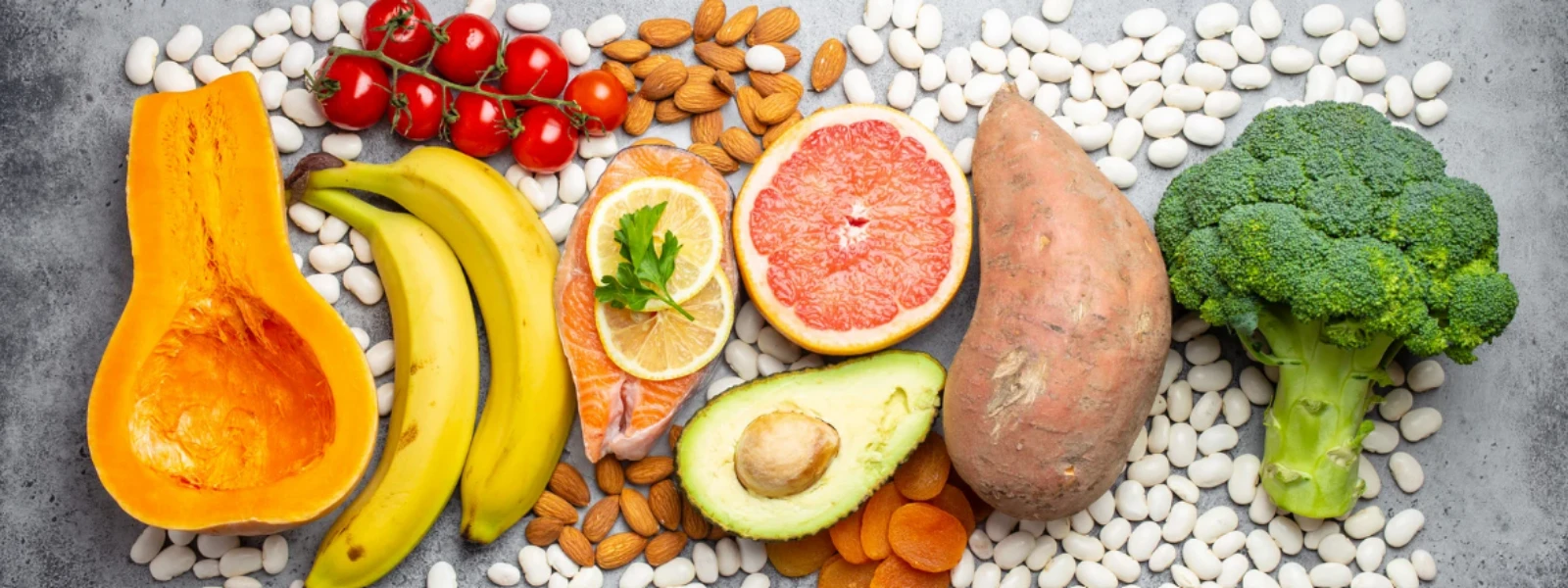


Your body is a complex system that thrives on the right fuel. Every bite you take either supports your health or works against it. Understanding different kinds of healthy foods and how they work together can transform your energy levels, digestion, and overall wellness. This guide breaks down the science behind nutritious eating and provides you with practical knowledge to make informed food choices that support your body's natural healing and detoxification processes.
Nutritional density refers to the amount of beneficial nutrients per calorie in a food. Foods high in nutritional density provide vitamins, minerals, antioxidants, and other essential compounds your body needs to function optimally. These nutritious foods include leafy greens, berries, nuts, and lean proteins.
Empty calories, on the other hand, provide energy without significant nutritional value. Processed snacks, sugary drinks, and refined grains fall into this category. They may fill you up temporarily but leave your cells starving for real nutrition.
Your body's ability to absorb nutrients depends on several factors. Some vitamins are fat-soluble, meaning they need healthy fats for proper absorption. Vitamin D, for example, absorbs better when consumed with foods containing healthy fats like avocados or nuts.
Bioavailability also varies between food sources. Iron from animal proteins absorbs more easily than iron from plant sources. However, combining Vitamin C-rich foods with plant-based iron sources can significantly improve absorption rates.
Your body functions best when you provide it with a variety of nutrients from different food groups. Proteins provide amino acids for muscle repair and enzyme production. Complex carbohydrates fuel your brain and muscles. Healthy fats support hormone production and nutrient absorption. Vitamins and minerals act as cofactors in countless biochemical reactions.
Vegetables form the foundation of any healthy food list. Dark leafy greens like spinach, kale, and arugula provide folate, iron, and antioxidants. These types of healthy food support cellular energy production and protect against oxidative stress.
Cruciferous vegetables including broccoli, cauliflower, and Brussels sprouts contain compounds called glucosinolates. These natural chemicals support your body's detoxification pathways and may help protect against cellular damage.
Colorful vegetables like bell peppers, carrots, and sweet potatoes provide beta-carotene and Vitamin C. These nutrients support immune function and skin health.
Berries rank among the most nutritious foods available. Blueberries, strawberries, and blackberries contain anthocyanins, powerful antioxidants that support brain health and may improve memory function.
Citrus fruits provide Vitamin C and flavonoids that support immune function and collagen production. The fiber in whole fruits also helps regulate blood sugar levels and supports digestive health.
Avocados offer healthy monounsaturated fats along with fiber and potassium. These nutrients support heart health and help your body absorb fat-soluble vitamins from other foods.
Complete proteins contain all essential amino acids your body needs. Animal sources like fish, poultry, and eggs provide complete proteins along with important nutrients like Vitamin B12 and omega-3 fatty acids.
Plant-based proteins from legumes, quinoa, and nuts can also provide complete amino acid profiles when combined properly. These foods offer additional benefits like fiber and phytonutrients.
Omega-3 fatty acids from fatty fish, walnuts, and flaxseeds support brain health and reduce inflammation. These essential fats cannot be produced by your body and must come from food sources.
Monounsaturated fats from olive oil, avocados, and nuts support heart health and help maintain healthy cholesterol levels.
Your gut microbiome plays a crucial role in digestion, immune function, and even mood regulation. Fermented foods like yogurt, kefir, sauerkraut, and kimchi provide beneficial bacteria that support a healthy gut environment.
These gut health foods help maintain the delicate balance of microorganisms in your digestive system. A diverse microbiome is associated with better overall health and improved resistance to harmful bacteria.
Prebiotic foods contain fiber that feeds the beneficial bacteria in your gut. Garlic, onions, asparagus, and bananas provide prebiotic fibers that help good bacteria thrive.
Jerusalem artichokes, chicory root, and dandelion greens are particularly rich in inulin, a type of prebiotic fiber that supports digestive health and may help regulate blood sugar levels.
Chronic inflammation in the digestive tract can interfere with nutrient absorption and overall health. Foods rich in omega-3 fatty acids, antioxidants, and polyphenols help reduce inflammation.
Turmeric contains curcumin, a powerful anti-inflammatory compound. Ginger supports digestive function and may help reduce nausea and inflammation. Green tea provides polyphenols that support gut health and overall wellness.
Did You Know?
Your gut produces about 90% of your body's serotonin, the neurotransmitter that regulates mood and sleep. Eating foods for gut cleanse and supporting your digestive health can directly impact your mental well-being and energy levels.
Your liver processes toxins and waste products daily. Certain detox foods can support this natural process. Cruciferous vegetables like broccoli and cabbage contain compounds that support liver detoxification pathways.
Beets contain betalains, compounds that support liver function and may help protect liver cells from damage. Artichokes contain cynarin, which may support bile production and liver health.
Your kidneys filter waste from your blood and regulate fluid balance. Best foods for detox include those that support kidney function. Cranberries may help prevent urinary tract infections and support kidney health.
Watermelon provides natural hydration and contains compounds that may support kidney function. Lemon water can help increase urine production and may support the body's natural cleansing processes.
Your lymphatic system helps remove waste and toxins from tissues. Foods that support lymphatic drainage include citrus fruits, which provide Vitamin C for immune function, and leafy greens that provide nutrients for cellular health.
Dry brushing and staying hydrated also support lymphatic function, but nutrition plays a key role in providing the building blocks for healthy lymphatic tissue.
Your nutritional needs depend on factors like age, activity level, health status, and personal goals. Active individuals may need more protein and carbohydrates to support energy needs and muscle recovery.
Consider your current health status and any specific concerns. If you experience digestive issues, focusing on gut health foods may be beneficial. If you feel low energy, ensuring adequate iron and B-vitamin intake might help.
A balanced meal includes protein, healthy fats, complex carbohydrates, and vegetables. This combination provides sustained energy and helps regulate blood sugar levels.
Try combining different kinds of healthy foods in each meal. For example, pair salmon (protein and omega-3s) with quinoa (complex carbs) and roasted vegetables (fiber and antioxidants) drizzled with olive oil (healthy fats).
Planning your meals in advance helps ensure you include a variety of nutritious foods throughout the week. Start by choosing a protein source for each meal, then add vegetables, healthy fats, and complex carbohydrates.
Batch cooking grains, proteins, and roasted vegetables can save time during busy weekdays. Prepare versatile ingredients that can be combined in different ways throughout the week.
How you prepare food affects its nutritional value. Steaming and light sautéing help preserve water-soluble vitamins like Vitamin C and B vitamins. Roasting vegetables can actually increase the availability of some antioxidants.
Avoid overcooking vegetables, as this can destroy heat-sensitive nutrients. Raw foods provide enzymes and some nutrients that may be reduced during cooking, so include both raw and cooked foods in your diet.
Proper storage helps maintain the nutritional value of fresh foods. Store most vegetables in the refrigerator, but keep tomatoes, potatoes, and onions at room temperature. Wash produce just before eating to prevent premature spoilage.
Frozen fruits and vegetables can be just as nutritious as fresh options, especially when fresh produce has traveled long distances or been stored for extended periods.
Certain food combinations can enhance nutrient absorption. Pair iron-rich foods with Vitamin C sources to improve iron absorption. Combine healthy fats with fat-soluble vitamins (A, D, E, K) for better absorption.
Eating a variety of different kinds of healthy foods throughout the day ensures you get a wide range of nutrients and supports optimal absorption.
Focus on leafy greens, berries, fatty fish, nuts, seeds, and colorful vegetables. These foods provide essential vitamins, minerals, healthy fats, and antioxidants that support overall health and wellness.
Buy seasonal produce, choose frozen fruits and vegetables, buy grains and legumes in bulk, and plan meals around sales. Focus on whole foods rather than processed options, which often provide better nutrition per dollar spent.
Fermented foods like yogurt and sauerkraut support gut bacteria, while fiber-rich foods like vegetables and fruits feed beneficial microbes. Cruciferous vegetables and leafy greens support natural detoxification processes.
Organic foods are grown without synthetic pesticides and fertilizers. While both can be nutritious, organic options may have lower pesticide residues. Focus on eating a variety of fruits and vegetables regardless of whether they're organic or conventional.
Cook grains, proteins, and vegetables in batches. Store them separately and combine them into different meals throughout the week. Prepare versatile ingredients that can be used in multiple dishes to maintain variety.
Understanding different kinds of healthy foods and how they support your body empowers you to make informed nutrition choices. From gut health foods that support digestion to detox foods that aid your body's natural cleansing processes, each category of nutritious foods plays a unique role in your overall wellness. The benefits of healthy eating extend beyond basic nutrition to include improved energy, better digestion, and enhanced overall health. Start by incorporating a variety of foods from each category into your healthy diet plan, focusing on whole, minimally processed options that provide maximum nutritional value. Remember that small, consistent changes in your food choices can lead to significant improvements in how you feel and function every day.




Someone sent you
Powered by ReferRush


