Understanding pH of Foods: Complete Nutrition Guide
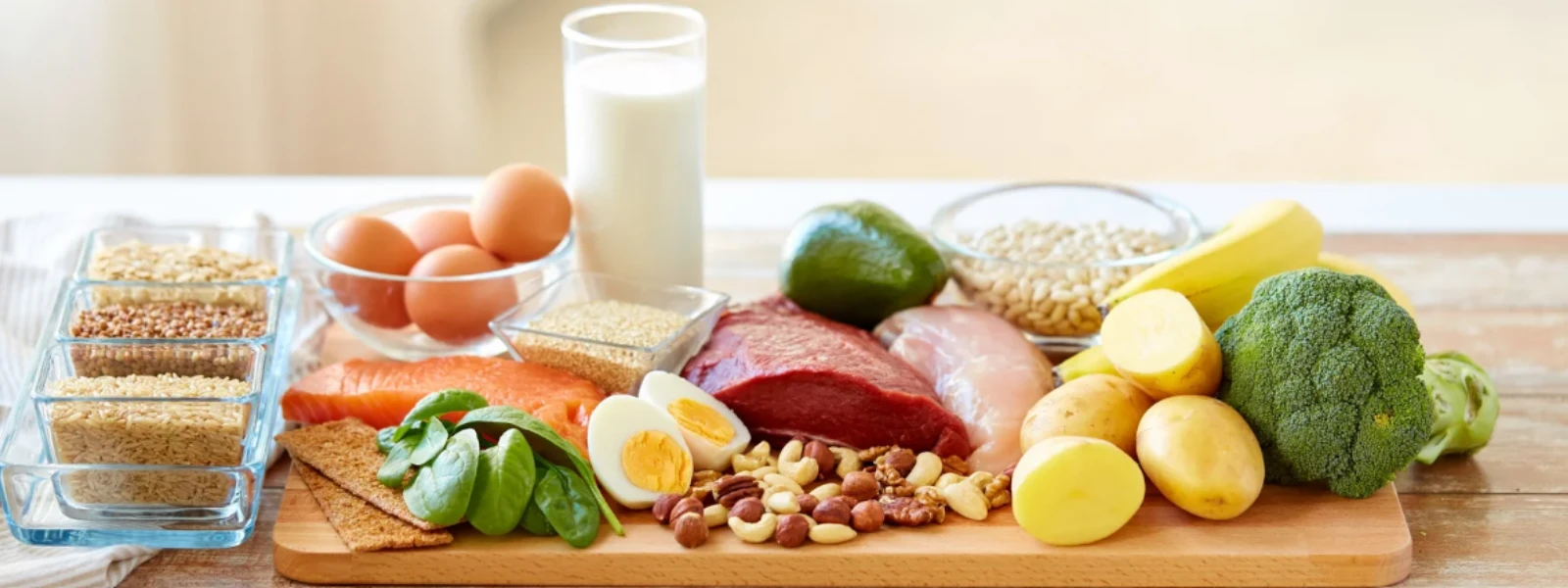


Ever wondered why some foods make your stomach feel light and energized while others leave you feeling heavy and sluggish? The answer might lie in understanding the pH of foods and how different acidity levels affect your body's natural processes. From supporting gut health to optimizing your detox journey, food pH plays a crucial role in how your body processes nutrients and maintains balance.
This comprehensive guide will help you navigate the complex world of food acidity and alkalinity. You'll discover which foods fall where on the pH scale, how these levels impact your digestion and overall health, and practical ways to create a balanced approach to eating that supports your wellness goals.
The pH scale measures how acidic or alkaline a substance is, ranging from 0 to 14. A pH of 7 is considered neutral, anything below 7 is acidic, and anything above 7 is alkaline. When it comes to ph levels in food, most items we eat fall somewhere between pH 2 and pH 9.
Understanding food pH helps us make informed choices about what we eat and when. Acidic foods like citrus fruits have a pH below 7, while alkaline foods like leafy greens have a pH above 7. However, it's important to note that the pH of a food doesn't necessarily determine how it affects your body's internal pH, which is tightly regulated by your kidneys and lungs.
Food pH matters for several reasons. It affects food safety and preservation, influences how nutrients are absorbed, and can impact digestive comfort. Foods with very low pH levels are naturally preserved against harmful bacteria, which is why fermented foods and citrus fruits have longer shelf lives.
Creating a comprehensive food acidity chart helps you understand where your favorite foods fall on the pH spectrum. This knowledge becomes particularly valuable when planning meals for optimal digestion or following specific dietary approaches.
Highly acidic foods include most citrus fruits, with lemons having a pH around 2.2, making them one of the most acidic foods we commonly consume. Oranges and grapefruits follow closely with pH levels between 3.0 and 4.0. Berries like cranberries and strawberries also fall into this category, along with vinegar-based foods and fermented items like pickles and sauerkraut.
Tomato products deserve special mention here, as they typically have a pH between 3.7 and 4.7, depending on variety and ripeness. This acidity is why tomato-based sauces and soups can sometimes trigger digestive discomfort in sensitive individuals.
This category includes many everyday foods like most vegetables, dairy products, and proteins. Carrots, potatoes, and cucumbers typically have pH levels between 5.5 and 6.5. Most animal proteins, including meat, poultry, and fish, fall into the slightly acidic range, with pH levels around 5.5 to 6.5.
Grains and cereals also occupy this middle ground, with most having pH levels between 5.0 and 6.5. Interestingly, milk has a pH around 6.5 to 6.7, making it nearly neutral.
True alkaline foods are less common but include important nutritional powerhouses. Leafy greens like kale and spinach typically have pH levels between 7.0 and 8.0. Some nuts, particularly chestnuts and certain seeds like pumpkin seeds, also fall into the alkaline category.
Many legumes, including kidney beans and white beans, have pH levels slightly above 7.0. These foods are often emphasized in alkaline-focused eating approaches due to their mineral content and potential to support the body's natural pH regulation systems.
Did You Know?
The pH of fresh fruits and vegetables can vary significantly based on ripeness, growing conditions, and storage methods. A ripe banana has a different pH than an unripe one, and organic produce may have slightly different pH levels compared to conventionally grown items due to soil mineral content differences.
Understanding the connection between ph and digestion reveals why some foods feel easier to process than others. Your stomach naturally produces hydrochloric acid, creating an environment with a pH between 1.5 and 3.5. This acidic environment is essential for breaking down proteins and activating digestive enzymes.
When you eat highly acidic foods, they don't significantly change your stomach's pH, but they can influence how quickly food moves through your digestive system. The effects of food ph become more apparent in the small intestine, where the pH shifts to alkaline (around 8.0 to 8.5) to optimize nutrient absorption.
The relationship between gut health and ph extends to your beneficial gut bacteria. Different bacterial strains thrive in different pH environments. A diverse diet that includes both acidic and alkaline foods can support a healthy, diverse gut microbiome. Fermented foods, despite being acidic, often contain beneficial probiotics that can enhance gut health.
For individuals dealing with acid reflux or sensitive digestion, understanding food pH can help identify potential triggers. However, it's worth noting that the body's response to food pH is highly individual, and factors like eating speed, stress levels, and overall health status also play important roles.
When considering a detox diet ph approach, the focus shifts to supporting your body's natural detoxification processes. Cleansing foods ph levels can influence how effectively your liver, kidneys, and other organs process and eliminate toxins.
Alkaline foods often contain high levels of minerals like potassium, magnesium, and calcium, which support various detoxification pathways. Leafy greens, cucumber, and celery are popular choices for cleansing protocols due to their alkaline nature and high water content.
These foods also tend to be rich in antioxidants and fiber, which support the body's natural cleansing processes. Including a variety of alkaline vegetables in your meals can help maintain the mineral balance necessary for optimal cellular function.
An effective acid-base balance diet doesn't eliminate acidic foods entirely but rather focuses on achieving a thoughtful balance. This approach recognizes that both acidic and alkaline foods provide essential nutrients and serve different purposes in supporting health.
The key lies in timing and combination. For example, pairing acidic foods with alkaline vegetables can help balance the overall pH load of a meal. This strategy can be particularly helpful for individuals who want to enjoy citrus fruits or tomato-based dishes while maintaining digestive comfort.
Implementing pH knowledge into your daily eating routine doesn't require dramatic changes. Start by observing how different foods make you feel and gradually adjust your choices based on your body's responses.
Consider the timing of acidic foods throughout your day. Some people find that consuming highly acidic foods earlier in the day, when digestive fire is typically strongest, works better than eating them late in the evening.
When planning meals, aim for variety across the pH spectrum. A colorful plate often naturally provides this balance, with leafy greens offering alkalinity, proteins providing moderate acidity, and fruits adding their own unique pH profiles.
Food preparation methods can also influence pH levels. Cooking can sometimes reduce the acidity of certain foods, while fermentation typically increases acidity but adds beneficial compounds that support gut health.
Foods with the highest pH levels include certain leafy greens like kale and spinach, some nuts such as chestnuts, and legumes like kidney beans and white beans. These foods typically have pH levels between 7.0 and 8.5, making them naturally alkaline.
While alkaline foods don't directly change your blood pH, which is tightly regulated by your body's buffering systems, they can influence other aspects of health. These foods often provide important minerals that support your body's natural pH regulation processes and may help reduce the metabolic acid load.
Food pH can influence nutrient absorption in several ways. Certain vitamins and minerals are better absorbed in specific pH environments. For example, iron absorption is enhanced in acidic conditions, which is why Vitamin C-rich acidic foods can help improve iron uptake from plant sources.
The most acidic foods include citrus fruits like lemons and limes, vinegar, cranberries, and pickled foods. While these foods offer important nutrients, individuals with sensitive digestion may want to consume them mindfully and consider pairing them with alkaline foods.
Creating a pH-balanced meal plan involves including foods from across the pH spectrum in appropriate proportions. Focus on incorporating plenty of vegetables, which tend to be more alkaline, while including moderate amounts of proteins and acidic foods. Pay attention to how different combinations make you feel and adjust accordingly.
Understanding the pH of foods provides valuable insight into how different foods interact with your digestive system and overall health. While your body maintains its internal pH within strict parameters, being mindful of food acidity and alkalinity can help you make choices that support optimal digestion, gut health, and natural detoxification processes. Remember that balance is key – both acidic and alkaline foods offer unique nutritional benefits, and the goal is finding the right combination that works for your individual needs and health goals. By applying this knowledge thoughtfully and listening to your body's responses, you can create an eating approach that truly nourishes and supports your wellbeing.




Someone sent you
Powered by ReferRush


