Vegan Protein Powder for Pigmentation: FAQ
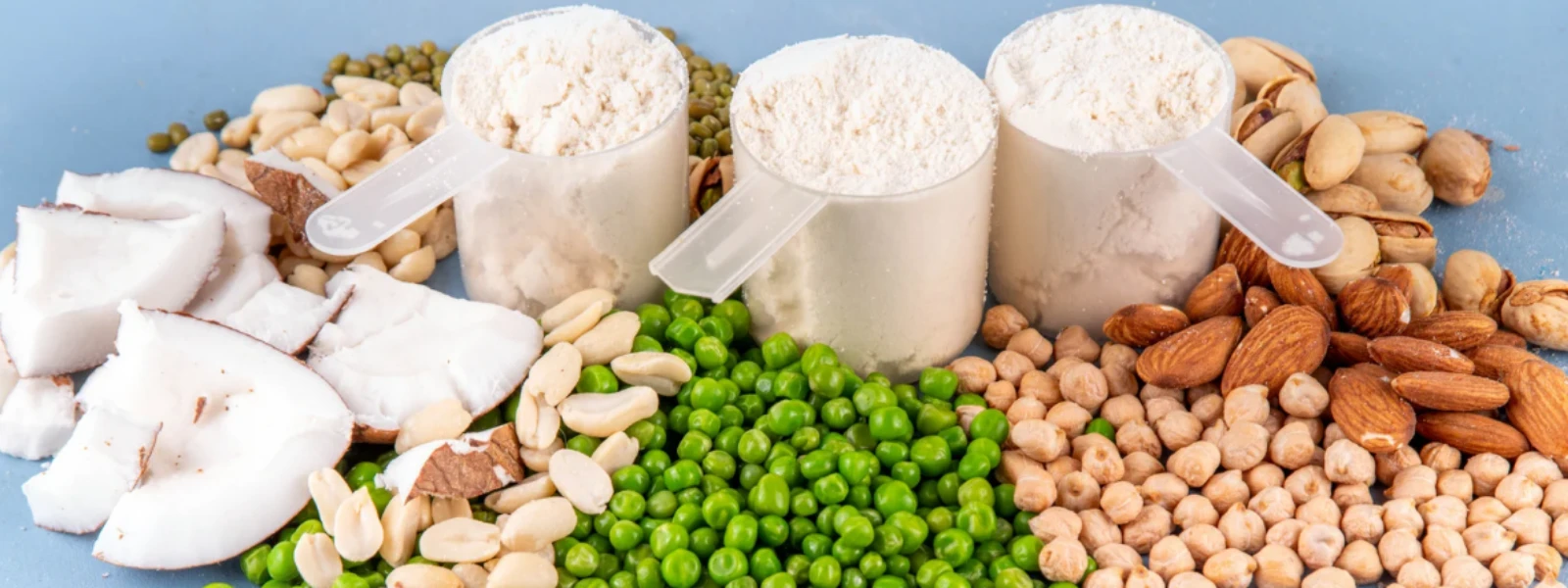


Skin pigmentation concerns affect millions of people worldwide, often leaving them searching for effective solutions. While topical treatments dominate the conversation, emerging research reveals a fascinating connection between protein intake, gut health, and skin appearance. This comprehensive guide explores how to choose vegan protein powder for pigmentation issues, diving deep into the science behind protein's role in skin health and the specific criteria that make certain plant-based proteins superior for addressing skin discoloration.
Skin pigmentation occurs when melanocytes produce excess melanin, the pigment responsible for skin color. Various factors trigger this overproduction, including UV exposure, hormonal changes, inflammation, and nutritional deficiencies. Research published in the Journal of Clinical Medicine demonstrates that inadequate protein intake can impair skin repair mechanisms and collagen synthesis, potentially worsening pigmentation issues.
Protein serves as the building block for skin regeneration. When your body lacks sufficient amino acids, it struggles to repair damaged skin cells and maintain healthy melanin distribution. This creates a cycle where poor protein status contributes to persistent pigmentation problems. The gut-skin axis further complicates this relationship, as compromised digestive health can limit protein absorption and increase systemic inflammation.
Amino acids like tyrosine directly influence melanin synthesis, while others support the enzymatic processes that regulate pigment production. Studies in Dermatology Research and Practice indicate that balanced amino acid profiles can help normalize melanocyte function and promote even skin tone. This makes protein quality, not just quantity, crucial for addressing pigmentation concerns.
Choosing the right vegan protein powder for pigmentation requires careful consideration of several factors. Unlike animal proteins, plant-based options often have incomplete amino acid profiles, making selection more complex but potentially more beneficial for those with sensitive digestive systems.
Your skin needs all nine essential amino acids to function optimally. Look for vegan protein powders that provide a complete amino acid spectrum, either through single sources like quinoa or hemp, or through strategic blends. The protein powder for skin health should contain adequate levels of methionine, cysteine, and lysine, which are particularly important for skin repair and collagen formation.
Clean processing methods preserve the nutritional integrity of plant proteins. Avoid products with excessive additives, artificial sweeteners, or heavy metal contamination. Many commercial protein powders contain inflammatory ingredients that can worsen skin conditions. Opt for minimally processed options with recognizable ingredients.
Research suggests that 20-25 grams of protein per serving provides optimal amino acid availability for skin repair without overwhelming digestive capacity. This amount supports protein synthesis while allowing for proper absorption and utilization.
Different plant-based proteins offer unique advantages for skin health. Understanding these differences helps you make informed choices about which vegan protein and pigmentation combination works best for your needs.
Pea protein stands out for its high lysine content and excellent digestibility. Studies show that pea protein supports collagen synthesis and provides anti-inflammatory benefits. Its low allergenicity makes it suitable for sensitive individuals, while its neutral taste allows for easy incorporation into daily routines.
Hemp protein offers a complete amino acid profile plus beneficial fatty acids that support skin barrier function. The omega-3 and omega-6 fatty acids in hemp protein help reduce inflammation and support healthy skin cell turnover, potentially improving pigmentation over time.
While lower in lysine, brown rice protein provides excellent methionine content and hypoallergenic properties. When combined with other plant proteins, it creates a well-rounded amino acid profile suitable for skin repair.
Strategic combinations of different plant proteins often provide superior amino acid profiles compared to single sources. Look for blends that combine complementary proteins to ensure complete nutritional coverage for optimal skin health benefits.
Pro Tip: Timing Matters
Research suggests that consuming protein within 30 minutes of waking up can optimize amino acid availability for daytime skin repair processes. This timing also supports healthy cortisol patterns, which can influence pigmentation.
The relationship between gut health and skin appearance has gained significant scientific attention. The best vegan protein for gut health often translates to better skin outcomes, making this connection crucial for addressing pigmentation issues.
Plant-based proteins often come with prebiotic fibers that feed beneficial gut bacteria. A healthy microbiome produces short-chain fatty acids that reduce systemic inflammation and support skin barrier function. This indirect effect can significantly impact pigmentation over time.
Many vegan proteins contain anti-inflammatory compounds that animal proteins lack. These phytonutrients help calm the inflammatory pathways that contribute to hyperpigmentation and skin discoloration.
Some plant proteins support liver function and cellular detoxification processes. This protein powder for detox effect helps eliminate toxins that can contribute to skin problems and pigmentation issues.
Making the right choice requires understanding how to evaluate vegan protein powder ingredients and their potential impact on your skin health goals.
Focus on the amino acid breakdown, not just total protein content. Look for products that list specific amino acid amounts or use terms like "complete protein" or "amino acid score." Avoid products with long ingredient lists filled with artificial additives.
Plant proteins vary in their absorption rates. Factors like processing methods, particle size, and accompanying nutrients all influence how well your body can utilize the protein. Look for products that mention digestibility scores or include digestive enzymes.
Common allergens in vegan proteins include soy, nuts, and certain grains. If you have sensitive skin or digestive issues, choose hypoallergenic options like pea or rice protein to avoid inflammatory reactions that could worsen pigmentation.
While vegan protein powder provides the foundation for skin health, combining it with other natural remedies for pigmentation can enhance results. Vitamin C supports collagen synthesis and can improve protein utilization. Vitamin E works synergistically with protein to protect skin cells from oxidative damage.
The supplements for skin discoloration approach should be holistic, addressing both nutritional deficiencies and inflammatory pathways. Consider timing your protein intake with antioxidant-rich foods or supplements to maximize the plant based protein for glowing skin benefits.
Skin cell turnover typically takes 28-40 days, so noticeable improvements in pigmentation usually appear after 6-8 weeks of consistent use. However, some people report improved skin texture and radiance within 2-3 weeks as protein supports overall skin health.
Vegan protein powder supports skin health and may help reduce the appearance of pigmentation over time, but it's not a cure for pigmentation disorders. It works best as part of a comprehensive approach that includes proper skincare, sun protection, and overall healthy lifestyle habits.
Most people tolerate vegan proteins well, but some may experience digestive discomfort if they have allergies or sensitivities to specific plant proteins. Start with smaller doses and gradually increase to assess tolerance. Choose hypoallergenic options if you have known sensitivities.
Consistency is key for skin benefits. Aim to consume 20-25 grams daily, preferably in the morning or post-workout when protein synthesis is elevated. Combine with Vitamin C-rich foods to enhance collagen production and avoid consuming with caffeine, which can interfere with protein absorption.
Avoid proteins with artificial colors, excessive sweeteners, or inflammatory additives. Some people find that soy protein can affect hormonal balance and potentially worsen pigmentation. Choose minimally processed options with clean ingredient lists for best results.
Choosing the right vegan protein powder for pigmentation involves understanding the complex relationship between nutrition, gut health, and skin appearance. The vegan protein powder benefits extend beyond basic nutrition to support skin repair, reduce inflammation, and promote healthy pigment production. By focusing on complete amino acid profiles, clean ingredients, and proper timing, you can harness the power of plant-based nutrition to support your skin health goals. Remember that sustainable results come from consistent use combined with a holistic approach to wellness, including proper skincare, sun protection, and overall healthy lifestyle choices.




Someone sent you
Powered by ReferRush


