Vegan Protein Powder: Skin Elasticity Benefits & Risks
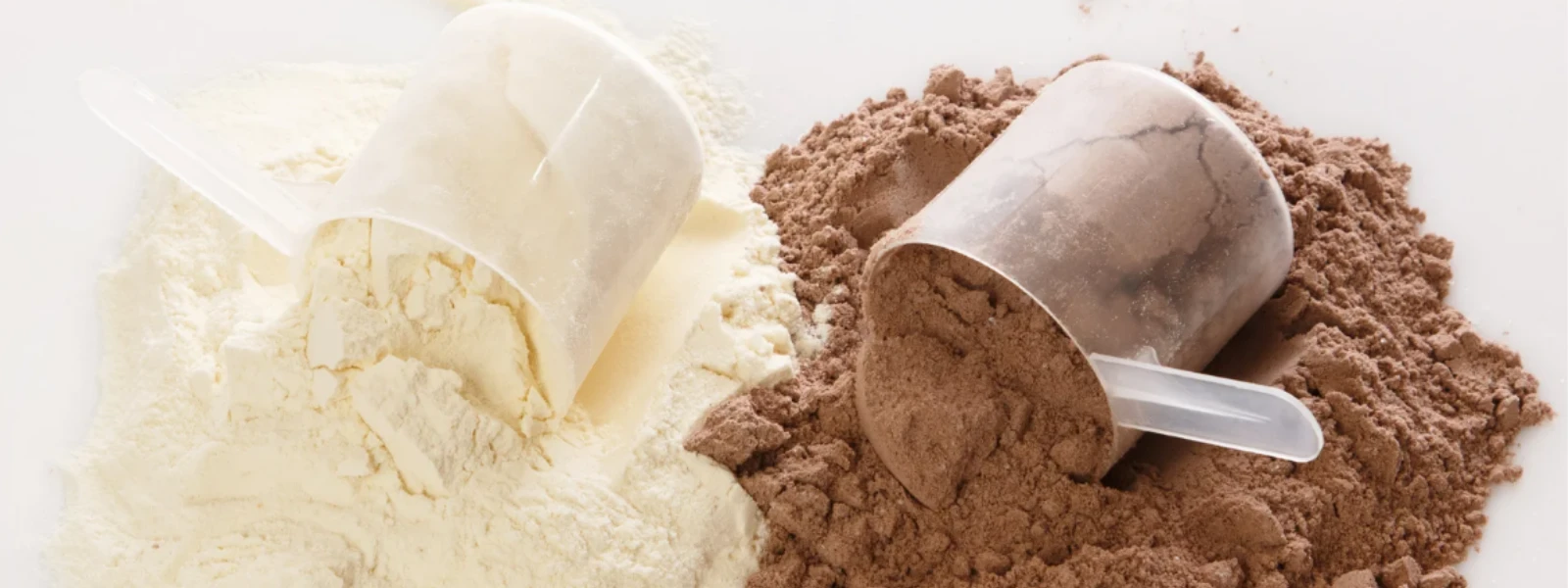


The relationship between what we eat and how our skin looks has fascinated scientists for decades. Recent research reveals that vegan protein powder benefits and risks for skin elasticity extend far beyond simple muscle building. Plant-based proteins contain unique amino acid profiles that can significantly impact your skin's structural integrity, elasticity, and overall appearance.
This comprehensive guide explores how vegan protein sources influence skin health, examines potential side effects, and provides evidence-based insights to help you make informed decisions about incorporating plant-based protein into your skincare routine.
Your skin's elasticity depends heavily on collagen and elastin proteins that form the structural foundation of healthy skin. Vegan protein for skin health works by providing essential amino acids that support the body's natural collagen synthesis process.
Research published in the Journal of Cosmetic Dermatology shows that certain amino acids found in plant proteins, particularly glycine, proline, and hydroxyproline, serve as building blocks for collagen formation. Unlike animal proteins, plant-based sources often contain additional antioxidants and phytonutrients that protect existing collagen from environmental damage.
The effectiveness of plant-based protein benefits for skin health varies significantly based on amino acid composition. Complete proteins containing all nine essential amino acids provide the most comprehensive support for skin regeneration and elasticity maintenance.
Pea protein, for instance, contains high levels of lysine and arginine, amino acids crucial for collagen cross-linking. Hemp protein offers a balanced ratio of omega-3 and omega-6 fatty acids alongside protein, supporting skin barrier function and reducing inflammation that can compromise elasticity.
Pea protein stands out among best vegan protein sources for its exceptional digestibility and low allergenic potential. Studies indicate that pea protein contains significant amounts of branched-chain amino acids that support cellular repair processes in skin tissue.
The iron content in pea protein also supports healthy circulation, ensuring adequate oxygen and nutrient delivery to skin cells. This enhanced circulation contributes to improved skin tone and elasticity over time.
Hemp protein provides all essential amino acids while delivering beneficial fatty acids that support skin barrier function. The unique combination of protein and healthy fats makes hemp an excellent choice for individuals seeking comprehensive skin support.
Research suggests that hemp protein's anti-inflammatory properties may help reduce skin irritation and support the healing processes that maintain skin elasticity and firmness.
For individuals with sensitive skin or food allergies, brown rice protein offers a gentle alternative that rarely triggers adverse reactions. Its amino acid profile, while not complete on its own, provides valuable building blocks for skin protein synthesis when combined with other plant sources.
Did You Know?
Combining different plant protein sources creates a complete amino acid profile that rivals animal proteins for skin health benefits. This synergistic effect, known as protein complementation, maximizes the skin-supporting potential of vegan proteins.
While vegan proteins offer numerous benefits, understanding protein powder side effects skin reactions is crucial for safe supplementation. Some individuals may experience breakouts, particularly when switching from animal-based to plant-based proteins.
These reactions often result from changes in hormone levels or digestive adjustments rather than direct skin toxicity. Soy protein, for example, contains phytoestrogens that may influence hormonal balance in sensitive individuals, potentially triggering acne in some people.
The connection between gut health and skin becomes particularly relevant when introducing new protein sources. Poor digestion of certain plant proteins can lead to inflammatory responses that manifest as skin issues.
Fiber content in some vegan protein powders may cause digestive discomfort in individuals unaccustomed to high-fiber diets. This digestive stress can indirectly affect skin health through the gut-skin axis, a well-documented connection between intestinal health and skin appearance.
Not all vegan protein powders meet the same quality standards. Contamination with heavy metals, pesticides, or poorly processed ingredients can negatively impact both health and skin appearance. Third-party testing and clean label certifications help ensure product safety and efficacy.
Your gut microbiome plays a pivotal role in skin health and elasticity maintenance. Vegan proteins often contain prebiotic fibers that support beneficial bacteria growth, indirectly benefiting skin health through improved nutrient absorption and reduced systemic inflammation.
Research indicates that a healthy gut microbiome enhances the body's ability to synthesize certain vitamins and amino acids essential for collagen production. This connection explains why some individuals notice improved skin clarity and elasticity when incorporating high-quality vegan proteins into their diet.
Many plant-based proteins contain natural compounds that support liver detoxification pathways. This enhanced detox for clear skin process helps eliminate toxins that can interfere with normal skin regeneration and elasticity maintenance.
The fiber content in whole food-based vegan proteins also supports regular elimination, preventing toxin buildup that can manifest as skin problems or premature aging.
When choosing skin elasticity supplements, examine ingredient lists carefully. Look for minimal processing, absence of artificial additives, and inclusion of complementary nutrients like Vitamin C or biotin that support collagen synthesis.
Avoid products with excessive added sugars, artificial sweeteners, or inflammatory ingredients that could counteract the skin benefits of the protein itself.
Optimal protein intake for skin health typically ranges from 0.8 to 1.2 grams per kilogram of body weight daily. Dividing this intake throughout the day supports steady amino acid availability for ongoing skin repair and maintenance processes.
Consuming protein with Vitamin C-rich foods enhances collagen synthesis, while pairing with healthy fats improves absorption of fat-soluble vitamins crucial for skin health.
While plants don't contain collagen directly, certain vegan collagen boosters can enhance your body's natural collagen production. Vitamin C, zinc, and silica work synergistically with plant proteins to optimize collagen synthesis.
Combining vegan protein supplementation with a diet rich in antioxidants, healthy fats, and minerals creates an optimal environment for skin elasticity maintenance and improvement.
The most effective approach to skin health combines quality protein intake with adequate hydration, regular exercise, stress management, and appropriate skincare routines. This comprehensive strategy addresses both internal and external factors affecting skin elasticity.
Some individuals may experience temporary breakouts when switching to vegan protein, particularly soy-based products. This often results from hormonal adjustments or digestive changes rather than direct skin toxicity. Starting with smaller doses and choosing hypoallergenic options like pea or rice protein can minimize this risk.
Skin cell turnover occurs approximately every 28 days, so noticeable improvements in skin elasticity and texture typically become apparent after 6-8 weeks of consistent protein supplementation combined with a balanced diet and proper hydration.
Vegan proteins provide amino acid building blocks that support natural collagen production, while also offering additional antioxidants and anti-inflammatory compounds not found in isolated collagen supplements. Both approaches can be effective, with vegan proteins offering broader nutritional benefits.
Protein absorption and utilization occur throughout the day, so timing is less critical than consistency. Many people find consuming protein powder in the morning or post-workout convenient, but the key is maintaining steady amino acid availability through regular intake.
Yes, combining different plant protein sources creates a more complete amino acid profile and can enhance skin health benefits. Popular combinations include pea and rice protein or hemp and pumpkin seed protein, which provide complementary nutritional profiles.
Vegan protein powders offer significant potential for supporting skin elasticity and overall skin health through their unique amino acid profiles, antioxidant content, and gut health benefits. While potential side effects exist, particularly during the initial adjustment period, most individuals can safely incorporate high-quality plant-based proteins into their wellness routine with proper selection and gradual introduction.
The key to maximizing benefits lies in choosing clean, well-sourced products, maintaining consistent intake, and adopting a holistic approach that addresses both internal nutrition and external skincare factors. As research continues to unveil the complex relationships between nutrition and skin health, vegan proteins emerge as valuable tools for maintaining youthful, elastic skin naturally.




Someone sent you
Powered by ReferRush


