12 Powerful Immunity Foods for Healthy Kids
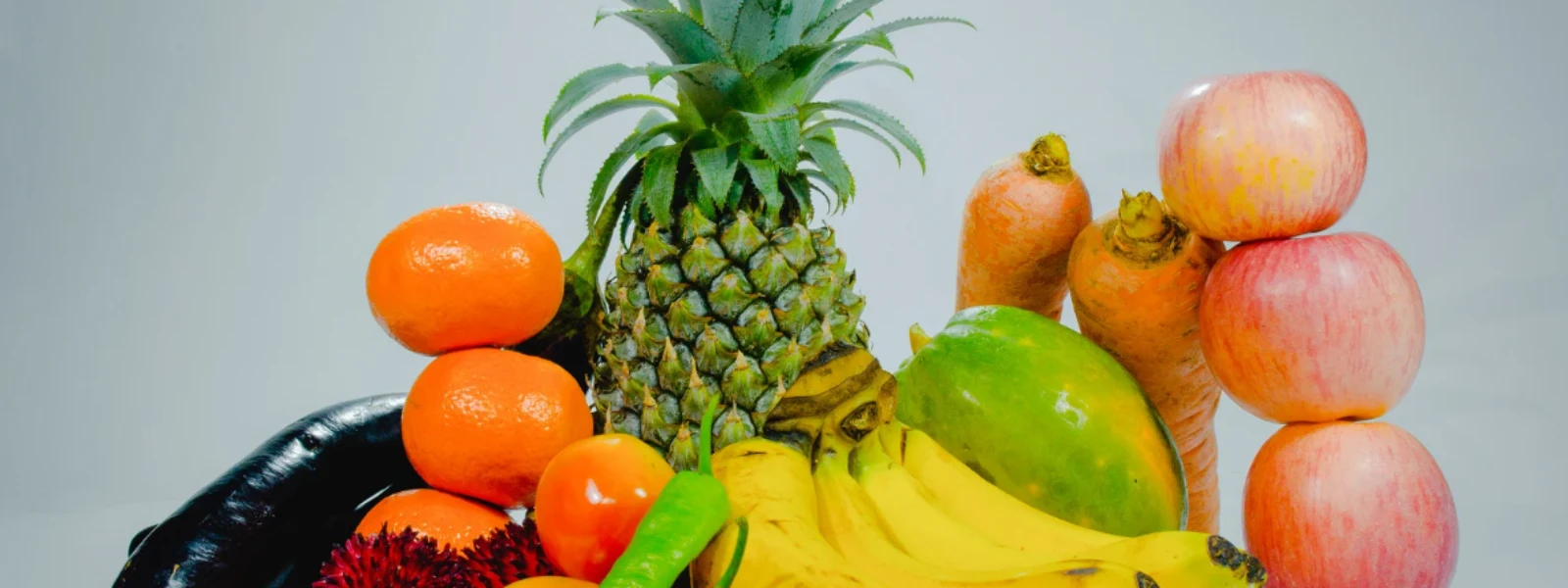


When your child falls sick for the third time this month, you might wonder if their immune system needs extra support. The good news? The right foods can make a significant difference in strengthening your child's natural defenses. Research shows that proper nutrition plays a crucial role in developing and maintaining a robust immune system in children.
Kids immunity foods aren't just about preventing the occasional cold. They're about building a foundation for lifelong health. Children's immune systems are still developing, making them more susceptible to infections and illnesses. By incorporating specific immune boosting foods for kids into their daily diet, you can help strengthen their body's natural ability to fight off harmful pathogens.
This guide will walk you through 12 scientifically-backed foods that can boost your child's immunity, along with practical tips on how to include them in meals your kids will actually enjoy eating.
Children's immune systems work differently from adults. They're constantly learning to recognize and fight new threats, which is why kids seem to catch everything that goes around. The immune system relies heavily on specific nutrients to function optimally, and deficiencies in these key vitamins and minerals can leave children more vulnerable to infections.
Foods to boost child immunity work by providing essential nutrients like Vitamin C, Vitamin A, zinc, iron, and probiotics. These nutrients support various immune functions, from producing white blood cells to maintaining the integrity of mucous membranes that act as barriers against pathogens.
The gut plays a particularly important role in children's immunity. About 70% of the immune system is located in the digestive tract, making gut health crucial for overall immune function. This is why probiotic-rich foods and fiber are so important for kids wellness foods.
Vitamin C helps stimulate the production of white blood cells and acts as a powerful antioxidant. Children need about 15-75mg daily depending on their age. Vitamin A supports the health of skin and mucous membranes, which are the body's first line of defense. Zinc is essential for immune cell development and function, while iron helps carry oxygen to immune cells.
These carefully selected foods provide the nutrients your child's immune system needs to stay strong and healthy.
Oranges, lemons, and sweet lime are excellent sources of Vitamin C. One medium orange provides about 70mg of Vitamin C, which is more than the daily requirement for most children. The natural sugars make these fruits appealing to kids, while the fiber supports digestive health.
Try serving orange segments as snacks or adding lemon juice to water for a refreshing drink. Fresh lime water with a pinch of salt can be particularly beneficial during hot weather.
Strawberries, blueberries, and blackberries are packed with antioxidants that help protect immune cells from damage. Berries also contain fiber that feeds beneficial gut bacteria, supporting overall immune function.
Frozen berries work just as well as fresh ones and can be added to smoothies, yogurt, or eaten as a healthy dessert. The natural sweetness makes them a hit with most children.
Sweet potatoes are rich in beta-carotene, which the body converts to Vitamin A. This nutrient is crucial for maintaining healthy skin and mucous membranes. Sweet potatoes are also naturally sweet, making them more appealing to children than many other vegetables.
Baked sweet potato fries or mashed sweet potatoes can be excellent alternatives to regular potatoes, providing more nutritional value.
Eggs provide high-quality protein along with Vitamin D, both essential for immune function. The protein helps build antibodies, while Vitamin D supports immune cell activity. Eggs are versatile and can be prepared in many kid-friendly ways.
Scrambled eggs, boiled eggs, or egg-based dishes like omelets with vegetables can be nutritious meal options.
Plain yogurt contains beneficial bacteria that support gut health and immune function. The probiotics in yogurt help maintain a healthy balance of gut bacteria, which is crucial for immune system development in children.
Choose plain yogurt and add fresh fruits or a small amount of honey for sweetness. Avoid flavored yogurts that are high in added sugars.
Did You Know?
Children who consume probiotic-rich foods regularly show fewer respiratory infections and shorter duration of illness compared to those who don't, according to research published in pediatric nutrition journals.
Spinach, kale, and other dark leafy greens are rich in Vitamin A, Vitamin C, and folate. These nutrients support various immune functions and help maintain healthy blood cells.
Since many children resist eating greens, try blending them into smoothies with fruits or incorporating them into dishes where they're less noticeable, like pasta sauces or soups.
Almonds, walnuts, and pumpkin seeds provide Vitamin E, zinc, and healthy fats that support immune function. These nutrients help protect cell membranes and support the production of immune cells.
For younger children, ensure nuts are chopped or ground to prevent choking. Nut butters can be a good alternative for very young kids.
Oats, brown rice, and millets like ragi provide B vitamins and fiber that support immune function. These complex carbohydrates provide steady energy while feeding beneficial gut bacteria.
Replace refined grains with whole grain options in your child's diet. Oatmeal with fruits makes an excellent breakfast choice.
Lentils, chickpeas, and beans provide protein, iron, and zinc. These nutrients are essential for immune cell production and function. Legumes are also rich in fiber that supports gut health.
Dal, hummus, or bean-based soups can be nutritious and filling meal options for children.
Carrots are rich in beta-carotene and fiber. They're naturally sweet and crunchy, making them appealing to children as snacks. The beta-carotene supports immune function and eye health.
Raw carrot sticks with hummus or cooked carrots in various dishes can help increase your child's vegetable intake.
Garlic contains compounds that have natural antimicrobial properties. While the taste might be strong for some children, small amounts added to cooking can provide immune benefits without being overwhelming.
Roasted garlic has a milder flavor and can be added to various dishes to boost their immune-supporting properties.
Turmeric contains curcumin, which has anti-inflammatory properties that support immune function. Golden milk made with turmeric, milk, and a small amount of honey can be a comforting bedtime drink for children.
Add small amounts of turmeric to rice, soups, or other dishes to incorporate this beneficial spice into your child's diet.
The challenge with healthy foods for children's immune system isn't just knowing what to serve, but making sure kids actually eat them. Here are practical strategies to make nutritious foods more appealing.
Make foods visually appealing by creating colorful plates with a variety of fruits and vegetables. Cut fruits and vegetables into fun shapes using cookie cutters. Create rainbow plates with foods of different colors.
Involve children in food preparation when age-appropriate. Kids are more likely to eat foods they've helped prepare. Simple tasks like washing fruits or mixing ingredients can make them more interested in trying new foods.
Smoothies are an excellent way to pack multiple immune boosting foods for kids into one drink. Blend berries, spinach, yogurt, and a small piece of ginger for a nutritious smoothie that tastes like a treat.
Soups can hide many vegetables while providing warm, comforting nutrition. A vegetable soup with lentils, carrots, and leafy greens can be both nutritious and appealing to children.
Homemade energy balls made with nuts, seeds, and dried fruits can serve as healthy snacks that kids enjoy. These provide protein, healthy fats, and natural sweetness.
While foods that strengthen kids immune system are crucial, other factors also play important roles in maintaining strong immunity.
Children need 9-11 hours of sleep per night for optimal immune function. During sleep, the body produces infection-fighting cells and antibodies. Establish consistent bedtime routines to ensure your child gets enough rest.
Moderate exercise boosts immune function by increasing the circulation of immune cells. Encourage outdoor play, sports, or other physical activities that your child enjoys.
Chronic stress can weaken immune function even in children. Ensure your child has time for relaxation and activities they enjoy. Maintain open communication and provide emotional support during challenging times.
Teaching proper handwashing, covering coughs and sneezes, and avoiding touching the face can prevent many infections. These simple practices work alongside good nutrition to keep children healthy.
While a balanced diet rich in natural immunity boosters for kids is the foundation of good health, some children may benefit from additional nutritional support. Signs that your child might need extra immune support include frequent infections, slow recovery from illness, or persistent fatigue.
Wellbeing Nutrition Kids Superfuel is India's only Clean Label Certified kid's nutrition mix, scientifically formulated with 30 essential growth nutrients for children aged 7 and above. Each scoop delivers 9g milk protein, 23 vitamins and minerals, 2B CFU probiotics, 3g prebiotic fiber and zero refined sugar to support growth, brain development, immunity and digestion.
This comprehensive nutrition powder provides 3x more protein, 8x more Omega-3 DHA, and 6x more calcium than typical alternatives. Each scoop delivers the same protein as 1.5 eggs, the same calcium as 1 cup of milk, and the same Omega-3 as 7 walnuts, making it an excellent complement to a healthy diet.
Foods rich in Vitamin C like citrus fruits and berries, probiotic foods like yogurt, and zinc-rich foods like nuts and seeds are most effective for boosting children's immunity. A varied diet including these foods provides comprehensive immune support.
Focus on providing a balanced diet with plenty of fruits, vegetables, whole grains, and lean proteins. Ensure your child gets adequate sleep, regular exercise, and maintains good hygiene practices. Limit processed foods and added sugars that can suppress immune function.
Start by offering small portions of new foods alongside familiar favorites. Make foods visually appealing and involve children in food preparation. Be patient and continue offering healthy options without pressure. It can take multiple exposures before children accept new foods.
Limit foods high in added sugars, processed foods, and excessive amounts of refined carbohydrates as these can suppress immune function. Focus on whole, minimally processed foods that provide essential nutrients for immune support.
Consistent dietary changes typically show benefits within a few weeks to a few months. However, building strong immunity is a long-term process that requires sustained healthy eating habits, adequate sleep, and regular physical activity.
Building strong immunity in children starts with providing the right nutrition through foods that strengthen kids immune system. The 12 foods outlined in this guide offer scientifically-backed benefits that can help support your child's natural defenses against illness. Remember that consistency is key – incorporating these immune boosting foods for kids into regular meals and snacks will provide the most benefit over time. Combined with adequate sleep, regular exercise, and good hygiene practices, these nutritious foods can help keep your child healthy and thriving. Consider exploring comprehensive nutritional solutions that can complement a healthy diet and support your child's overall growth and development.




Someone sent you
Powered by ReferRush


