7 Best Kids Digestive Support Strategies


When your child complains of a tummy ache or struggles with irregular bowel movements, it can leave you feeling helpless as a parent. Children's digestive systems are still developing, making them more susceptible to digestive discomfort than adults. Understanding how to support your child's gut health naturally can make a significant difference in their overall well-being and daily comfort.
This comprehensive guide explores seven evidence-based strategies for kids digestive support that you can implement at home. From incorporating probiotics for kids to establishing healthy eating routines, these approaches focus on building a strong foundation for lifelong digestive wellness. You'll learn practical tips for addressing common issues like constipation relief for children and discover when professional guidance might be necessary.
The digestive system plays a crucial role in your child's overall health, extending far beyond just processing food. A healthy gut supports immune function, nutrient absorption, and even mood regulation through the gut-brain connection. Research shows that approximately 70% of the immune system resides in the gut, making digestive health for toddlers and older children essential for preventing illness.
Common signs of digestive issues in children include frequent stomach pain, irregular bowel movements, bloating, gas, and changes in appetite. These symptoms can affect your child's energy levels, sleep quality, and ability to concentrate at school. Early intervention with natural digestive support strategies can help prevent these issues from becoming chronic problems.
Scientists have discovered that the gut produces many of the same neurotransmitters found in the brain, including serotonin, which affects mood and behavior. This connection explains why children with digestive issues often experience changes in mood, anxiety, or difficulty focusing. Supporting healthy gut flora for kids can positively impact both physical and emotional well-being.
Probiotics for kids are beneficial bacteria that help maintain a healthy balance in the digestive system. These microscopic helpers support digestion, boost immunity, and can help prevent common digestive issues. The most effective probiotic strains for children include Lactobacillus rhamnosus, Bifidobacterium lactis, and Lactobacillus casei.
Natural sources of probiotics include yogurt with live cultures, kefir, and fermented foods like sauerkraut (though many children may not enjoy these flavors). Age-appropriate probiotic supplements can provide a more concentrated dose of beneficial bacteria when dietary sources aren't sufficient.
Pediatric digestive enzymes can help children who struggle with breaking down certain foods, particularly those with lactose intolerance or other digestive sensitivities. These enzymes work by helping the body break down proteins, fats, and carbohydrates more efficiently, reducing symptoms like bloating and gas.
Did You Know?
Children's gut microbiome continues developing until around age 3, making early childhood a critical window for establishing healthy digestive patterns. The diversity of bacteria in a child's gut directly correlates with their immune system strength and overall health outcomes.
Fiber for children's digestion serves as food for beneficial gut bacteria and helps maintain regular bowel movements. The recommended daily fiber intake varies by age: children aged 1-3 need about 14 grams, while those aged 4-8 require approximately 20 grams per day.
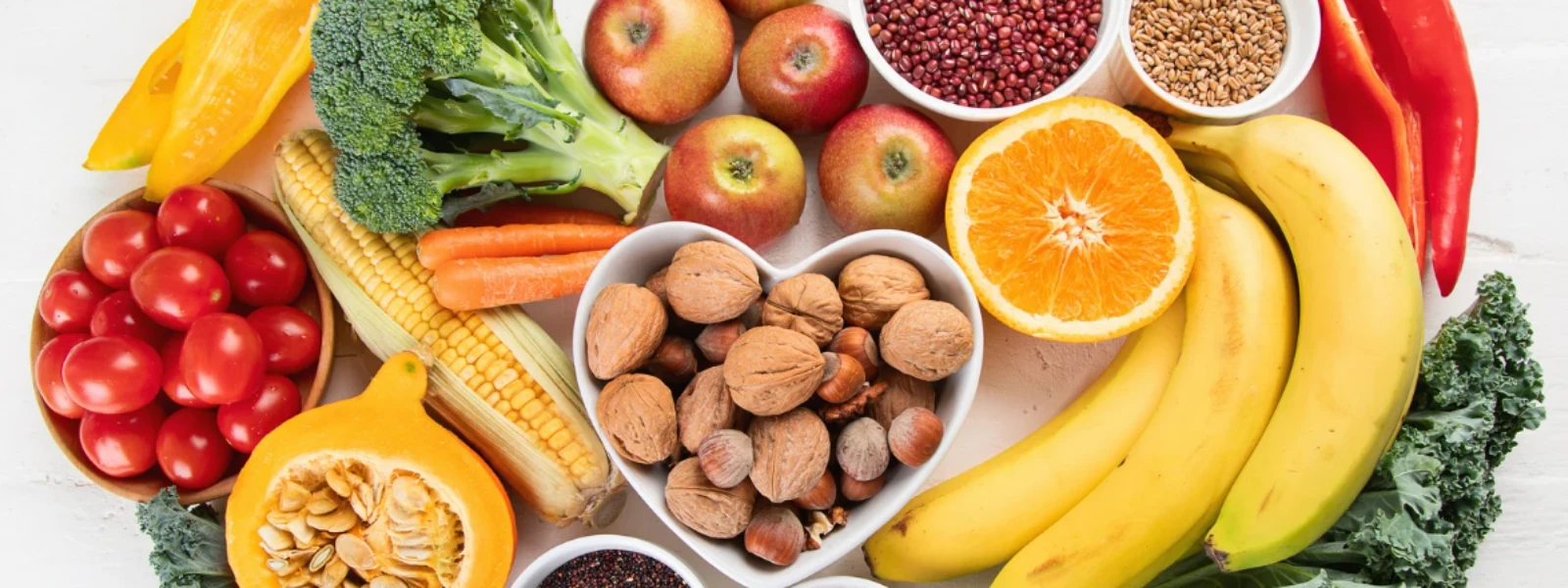
Excellent sources of child-friendly fiber include apples with skin, berries, whole grain cereals, beans, and vegetables like sweet potatoes and broccoli. The key is introducing fiber gradually to avoid digestive discomfort and making these foods appealing through creative preparation methods.
Transform fiber-rich foods into kid-friendly options by making fruit smoothies with berries and spinach, creating colorful veggie wraps, or offering whole grain pasta with hidden vegetable sauces. Involving children in meal preparation can increase their willingness to try new fiber-rich foods.
Tummy ache remedies for kids should focus on gentle, natural approaches before considering medications. For mild stomach discomfort, try having your child lie down with a warm compress on their belly, practice deep breathing exercises, or gently massage their abdomen in circular motions.
Constipation relief for children often requires a multi-faceted approach. Increase water intake, encourage physical activity, and ensure adequate fiber consumption. Prunes, pears, and warm baths can provide natural relief. If constipation persists for more than a few days, consult your pediatrician.
Kids bloating relief starts with identifying potential triggers such as eating too quickly, consuming gas-producing foods, or food sensitivities. Encourage slower eating, smaller portions, and keep a food diary to identify patterns. Gentle yoga poses and walking after meals can also help reduce bloating.
Digestive health for toddlers and older children benefits greatly from consistent routines. Regular meal times help regulate the digestive system and prevent overeating or skipping meals, both of which can cause digestive upset.
Create a calm eating environment free from distractions like television or tablets. Encourage children to chew their food thoroughly and eat at a moderate pace. This helps with proper digestion and allows the brain time to register fullness signals.
Adequate water intake is essential for healthy digestion. Children should drink water throughout the day, not just during meals. Physical activity stimulates digestive processes and helps prevent constipation. Encourage at least 60 minutes of active play daily.
Some children may have specific digestive challenges that require tailored approaches. Food sensitivities to dairy, gluten, or other ingredients can cause ongoing digestive issues. If you suspect food sensitivities, work with a healthcare provider to identify triggers through elimination diets or testing.
Children with special needs, including those on the autism spectrum, may have unique digestive challenges. These children often benefit from structured meal routines, specific textures, and careful attention to gut health through targeted nutrition support.
Stress can significantly impact children's digestive health. Create a calm, supportive environment around meal times and teach children stress management techniques like deep breathing or quiet time. Adequate sleep is also crucial for digestive health, as the gut repairs and regenerates during rest.
Limit processed foods, artificial sweeteners, and excessive sugar, which can disrupt healthy gut bacteria. Instead, focus on whole foods, fresh fruits and vegetables, and minimally processed options that support beneficial gut flora for kids.
Keep track of your child's digestive health by noting bowel movement frequency, consistency, and any symptoms. Normal bowel movements for children should occur at least three times per week and be soft and easy to pass.
Seek professional help if your child experiences persistent abdominal pain, blood in stool, significant changes in bowel habits, or symptoms that interfere with daily activities. Pediatric gastroenterology specialists can provide advanced evaluation and treatment when needed.
Whole grains, fresh fruits with skin, vegetables, legumes, and probiotic-rich foods like yogurt support healthy digestion. These foods provide fiber, beneficial bacteria, and essential nutrients that promote gut health.
Signs include frequent stomach complaints, irregular bowel movements, excessive gas or bloating, changes in appetite, or digestive discomfort after eating. If symptoms persist or worsen, consult your pediatrician.
High-quality probiotic supplements designed for children are generally safe when used as directed. However, always consult with your child's healthcare provider before starting any new supplement, especially if your child has underlying health conditions.
Seek medical attention for severe abdominal pain, blood in stool, persistent vomiting, signs of dehydration, or any symptoms that significantly impact your child's daily activities or well-being.
Most children show improvements within 2-4 weeks of implementing consistent digestive support strategies. However, building optimal gut health is an ongoing process that requires patience and consistency.
Supporting your child's digestive health requires a comprehensive approach that combines proper nutrition, healthy lifestyle habits, and attentive monitoring. These seven strategies provide a solid foundation for promoting kids digestive support naturally and effectively. Remember that every child is unique, and what works for one may need adjustment for another. Consistency is key, and small changes can lead to significant improvements in your child's comfort and overall well-being. If you're concerned about persistent digestive issues, don't hesitate to consult with healthcare professionals who can provide personalized guidance for your child's specific needs.




Someone sent you
Powered by ReferRush


