A Parent's Guide to Kids' Digestive Health Success
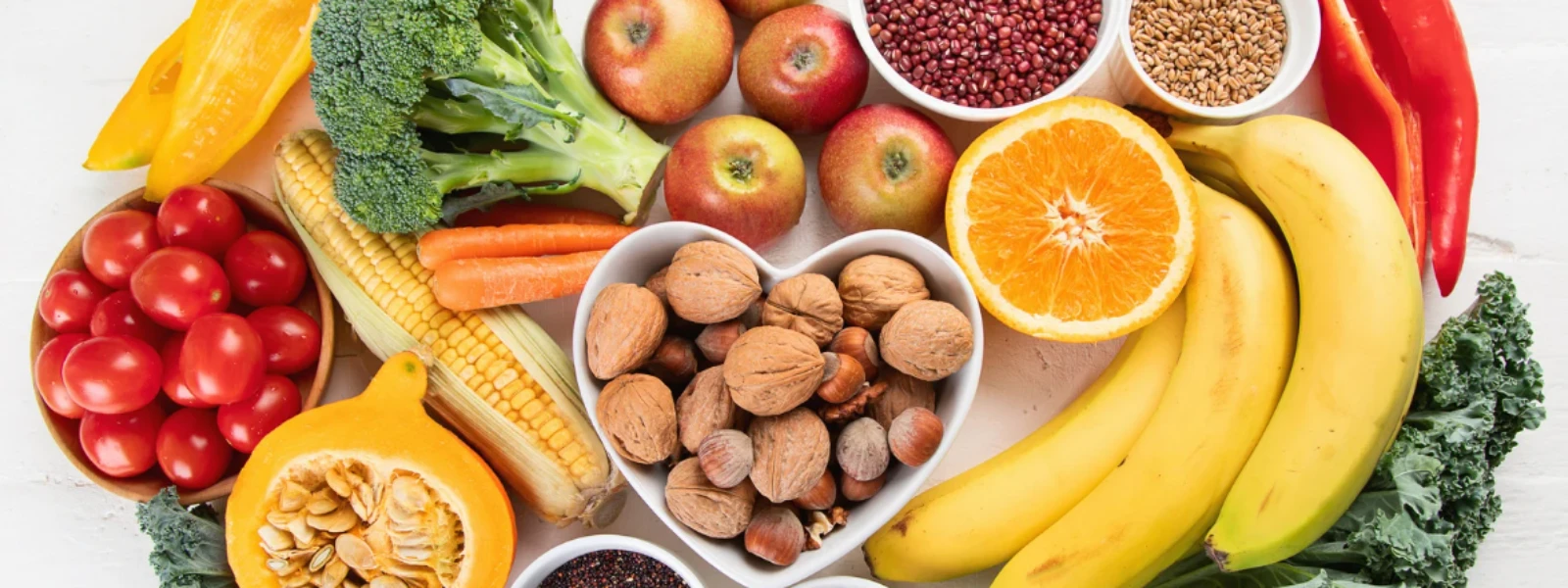


Every parent wants their child to thrive, and digestive health plays a crucial role in their overall well-being. From supporting nutrient absorption to boosting immunity, a healthy gut forms the foundation for your child's growth and development. Understanding how to promote digestive health in children can help prevent common issues like constipation, stomach aches, and irregular bowel movements while setting the stage for lifelong wellness habits.
This comprehensive guide will walk you through everything you need to know about kids digestive health, from recognizing warning signs to implementing practical strategies that work for different age groups. You'll discover evidence-based approaches to support your child's digestive system naturally and safely.
Children's digestive systems are remarkably different from adults. Their gut microbiome continues developing until around age three, making early nutrition choices particularly important. The digestive tract in kids is also more sensitive to dietary changes and stress, which explains why they may experience tummy troubles more frequently than adults.
Common digestive issues vary by age group. Toddlers often struggle with constipation as they transition to solid foods and learn toilet training. School-age children may experience stomach aches related to stress or irregular eating patterns. Teenagers face unique challenges as hormonal changes can affect digestion and appetite.
Parents should watch for persistent symptoms that last more than a few days. These include severe abdominal pain, blood in stool, frequent vomiting, or significant changes in bowel habits. While occasional digestive upset is normal, consistent problems warrant professional attention.
Mild symptoms like occasional constipation or minor stomach discomfort can often be addressed with dietary and lifestyle changes. However, trust your instincts as a parent. If something seems concerning, consulting your pediatrician is always the right choice.
Nutrition forms the cornerstone of children gut health. The right foods can promote healthy digestion kids need while making meals enjoyable and stress-free.
Fiber helps maintain regular bowel movements and feeds beneficial gut bacteria. However, introducing fiber should be gradual to avoid digestive discomfort. Start with small portions and increase slowly over several weeks.
Fruits like apples, pears, and berries are naturally appealing to children. Try serving them with nut butter for added protein and healthy fats. Vegetables can be more challenging, but creative preparation helps. Roasted sweet potatoes, colorful bell pepper strips, or homemade veggie chips can make fiber intake fun.
Whole grains provide sustained energy along with digestive benefits. Oatmeal with fruit, whole grain pasta, or brown rice can replace refined options gradually. The key is making changes slowly so children adapt without resistance.
Probiotics introduce beneficial bacteria that support digestive balance. Yogurt remains the most kid-friendly option, but choose varieties with live cultures and minimal added sugar. Greek yogurt provides extra protein while maintaining probiotic benefits.
Kefir offers more diverse bacterial strains than yogurt and can be blended into smoothies with fruits. Fermented foods like mild sauerkraut or pickles can work for adventurous eaters, though start with tiny amounts.
Prebiotic foods feed existing good bacteria. Bananas, garlic, onions, and asparagus all contain prebiotics. While some may be challenging for picky eaters, bananas are universally loved and provide excellent prebiotic support.
Did You Know?
The gut produces about 90% of the body's serotonin, often called the 'happy hormone.' This means digestive health directly impacts your child's mood and emotional well-being.
Proper hydration is essential for healthy digestion. Water helps break down food and prevents constipation. Children aged 1-3 need about 4 cups of fluids daily, while those aged 4-8 require 5 cups, and older children need 7-8 cups.
Plain water is best, but variety can help reluctant drinkers. Try infusing water with cucumber, berries, or mint. Herbal teas like chamomile can be soothing for upset stomachs, while avoiding caffeinated beverages that may interfere with sleep and digestion.
When digestive issues arise, natural approaches often provide gentle relief without side effects. These natural digestion remedies kids can use safely complement good nutrition and lifestyle habits.
For minor stomach upset, a warm compress on the belly can provide comfort. Gentle circular massage in a clockwise direction may help with gas and bloating. These simple techniques are safe for all ages and can be soothing bonding activities.
Chamomile tea, when cooled to room temperature, can calm digestive irritation. For very young children, offer just a few sips. Ginger is another gentle option, though it's best introduced gradually and in small amounts.
Constipation affects many children and can be addressed through dietary and lifestyle changes. Increasing fiber intake gradually while ensuring adequate hydration often resolves mild cases. Prunes, pears, and peas are particularly effective foods for kids digestion when constipation is a concern.
Physical activity encourages regular bowel movements. Simple activities like walking, cycling, or playground time can stimulate digestion naturally. Creating a regular bathroom routine, especially after meals, helps establish healthy patterns.
Positioning matters too. A small stool under the feet while on the toilet helps achieve the optimal position for bowel movements. This simple adjustment can make a significant difference for many children.
Consistent daily practices create the foundation for long-term digestive wellness. These habits become second nature when introduced early and practiced regularly.
Regular meal times help regulate digestive processes. Children thrive on routine, and consistent eating schedules support their natural circadian rhythms. Aim for three meals and two healthy snacks spaced throughout the day.
Portion sizes should match children's smaller stomachs and energy needs. Using smaller plates can help with appropriate portions while avoiding the pressure to 'clean the plate.' Let children learn to recognize their hunger and fullness cues.
Eating too quickly can lead to digestive discomfort. Encourage children to chew thoroughly and put utensils down between bites. Making mealtime relaxed and enjoyable supports better digestion.
Movement is crucial for kids wellness digestion. Regular physical activity stimulates the digestive system and helps prevent constipation. Age-appropriate activities include dancing, swimming, bike riding, or simple outdoor play.
Even gentle activities like stretching or yoga can benefit digestion. Child-friendly yoga poses like 'happy baby' or gentle twists can be fun while supporting digestive function. The key is making movement enjoyable rather than forced.
Emotional stress significantly impacts digestion in children. Creating calm environments during meals and addressing sources of anxiety supports digestive health. Regular bedtime routines and adequate sleep are equally important.
Children need 10-14 hours of sleep depending on their age. Poor sleep can disrupt digestive hormones and increase stress levels. Establishing consistent bedtime routines helps ensure quality rest that supports overall health.
Different developmental stages require tailored approaches to digestive health tips for kids. Understanding these needs helps parents provide appropriate support at each phase.
This critical period shapes lifelong eating habits. Introduce new foods gradually and repeatedly, as it may take 10-15 exposures before acceptance. Finger foods encourage self-feeding and help develop healthy relationships with food.
Texture progression is important during this stage. Moving from purees to soft chunks to regular textures should happen gradually. Some children may be more sensitive to textures, requiring extra patience and creativity.
School schedules can disrupt eating patterns. Pack digestive-friendly lunches with fiber-rich foods, lean proteins, and plenty of water. Avoid sending too many processed snacks that may cause energy crashes and digestive upset.
This age group faces new stressors like academic pressure and social challenges. Teaching stress management techniques and maintaining open communication helps address emotional factors that affect digestion.
Hormonal changes during puberty can affect digestive function. Growth spurts increase nutritional needs, while busy schedules may lead to irregular eating patterns. Emphasize the importance of regular meals and healthy snacks.
Teenagers gain more independence in food choices. Educating them about nutrition and involving them in meal planning helps develop lifelong healthy habits while respecting their growing autonomy.
The home environment plays a crucial role in supporting healthy gut for children. Simple changes can make a significant difference in promoting good digestive habits.
Stock your pantry with digestive-friendly options. Keep fresh fruits visible and easily accessible. Prepare healthy snacks in advance so they're ready when hunger strikes. Having nutritious options readily available makes healthy choices easier for the whole family.
Involve children in meal preparation when age-appropriate. This builds positive associations with healthy foods and teaches valuable life skills. Even young children can wash vegetables or mix ingredients.
Create positive mealtime experiences by minimizing distractions. Turn off screens and focus on conversation and connection. This helps children eat more mindfully and improves digestion.
Avoid using food as reward or punishment, as this can create unhealthy relationships with eating. Instead, focus on the enjoyment and nourishment that meals provide.
Normal frequency varies, but most children should have bowel movements every 1-3 days. Consistency and ease of passage are more important than exact frequency. If your child goes more than 3 days without a bowel movement or experiences pain, consult your pediatrician.
Limit processed foods high in sugar and artificial additives, as these can disrupt gut bacteria balance. Excessive dairy may cause issues for some children, while very spicy or greasy foods can irritate sensitive digestive systems. Focus on whole, minimally processed foods instead.
Seek medical attention for severe abdominal pain, persistent vomiting, blood in stool, significant weight loss, or symptoms lasting more than a few days. Trust your parental instincts - if something seems concerning, it's always better to consult your healthcare provider.
Common signs include stomach pain, bloating, diarrhea, or constipation after eating specific foods. Keep a food diary to identify patterns. However, proper diagnosis requires professional evaluation, as symptoms can overlap with other conditions.
Some supplements may be appropriate for children, but always consult your pediatrician before starting any supplement regimen. Age-appropriate probiotics or fiber supplements might be recommended in certain situations, but whole foods should be the primary source of nutrition.
Supporting your child's digestive health doesn't require complicated strategies or expensive solutions. Focus on providing nutritious whole foods, maintaining regular meal times, encouraging physical activity, and creating a positive eating environment. Remember that every child is unique, and what works for one may need adjustment for another. By implementing these evidence-based approaches gradually and consistently, you're setting the foundation for your child's lifelong digestive wellness. If concerns arise, don't hesitate to work with your healthcare provider to ensure your child receives the best possible care for their individual needs.




Someone sent you
Powered by ReferRush


