Best Drinks for Kids: Your Complete Nutrition Guide
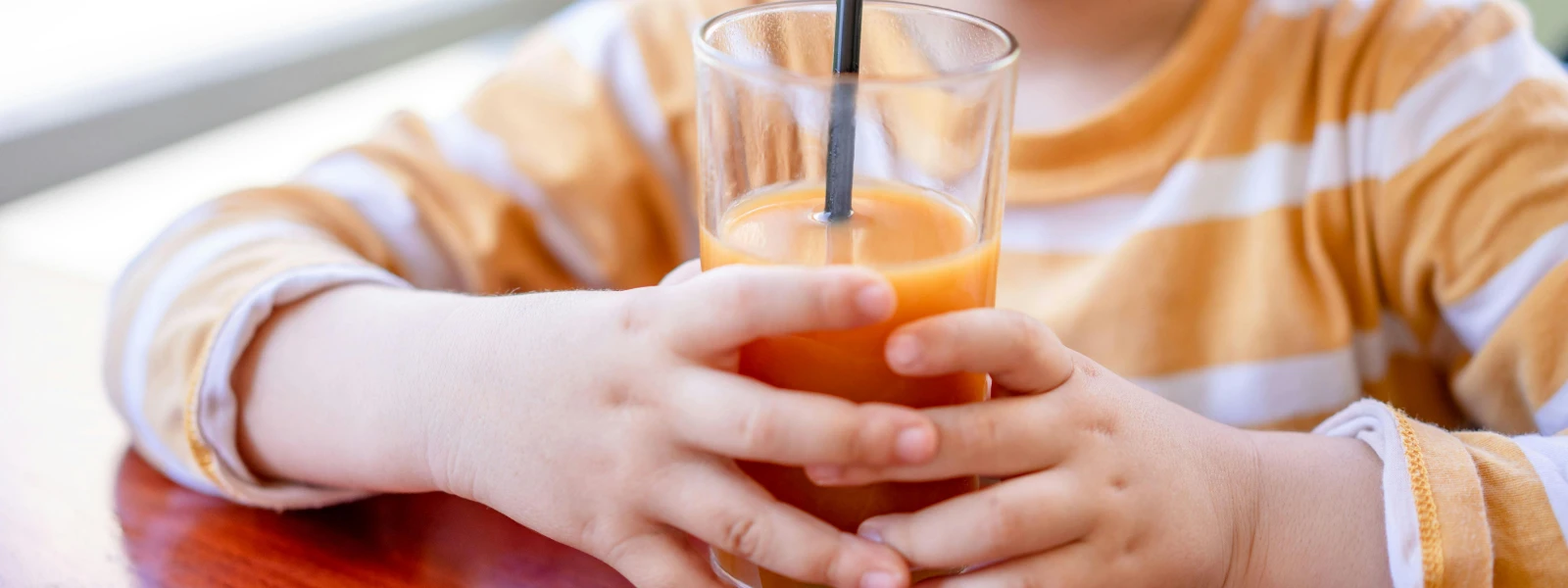


Choosing the right beverages for your child can feel overwhelming with endless options lining grocery store shelves. From colorful sports drinks to fruit-flavored waters, marketing messages promise health benefits while often delivering hidden sugars and artificial ingredients. Understanding which drinks truly support your child's growth and development is crucial for building lifelong healthy habits.
This comprehensive guide will help you navigate the world of children's beverages with confidence. You'll discover evidence-based recommendations for the best drinks for kids, learn to identify nutritious options versus marketing gimmicks, and find practical strategies for encouraging healthy hydration habits. Whether you're dealing with a picky eater or simply want to make informed choices, this guide provides the knowledge you need to support your child's optimal health through smart beverage choices.
When it comes to healthy beverages for children, two drinks stand above all others: water and milk. These fundamental choices provide everything growing bodies need for proper hydration and development without unnecessary additives or excessive sugars.
Water serves as the gold standard for children's hydration needs. It supports every bodily function, from temperature regulation to nutrient transport, without adding calories or sugar to your child's diet. Unlike flavored beverages, water doesn't contribute to tooth decay or interfere with appetite for nutritious meals.
Children aged 2-5 years need approximately 4-5 cups of water daily, while those aged 5-18 require 6-8 cups depending on activity level and climate. These amounts include water from all sources, including foods with high water content like fruits and vegetables.
Pasteurized milk provides essential nutrients that support bone development and overall growth. Rich in calcium, Vitamin D, and high-quality protein, milk offers benefits that water alone cannot provide. For children aged 2-5 years, 2-2.5 cups of milk daily meets nutritional needs, while older children can consume up to 3 cups.
Plant-based alternatives like fortified soy, almond, or oat milk can work for children with dietary restrictions, but parents should ensure these options contain added calcium and Vitamin D to match the nutritional profile of dairy milk.
Did You Know?
Children who drink primarily water and milk have lower rates of obesity and better dental health compared to those who regularly consume sugary beverages. This simple choice can significantly impact long-term health outcomes.
While whole fruits provide superior nutrition, 100% fruit juices can fit into a healthy diet when consumed in appropriate amounts. Understanding the difference between true fruit juice and fruit-flavored drinks helps parents make informed decisions.
Nutritious drinks for kids in the juice category must contain 100% fruit juice with no added sugars, colors, or preservatives. Labels should list only fruit juice as the ingredient, without terms like "fruit drink," "cocktail," or "flavored water."
The best juice for kids includes options like 100% orange juice (rich in Vitamin C and folate), 100% apple juice (contains antioxidants), and 100% grape juice (provides resveratrol). However, even these healthy options require portion control.
Children aged 1-3 years should limit juice intake to 4 ounces daily, while those aged 4-6 can have up to 6 ounces. Children over 7 years may consume up to 8 ounces of 100% fruit juice daily. These limits help prevent excessive sugar intake while allowing children to enjoy the taste and some nutritional benefits of fruit.
Offering juice with meals rather than as a standalone snack helps slow sugar absorption and reduces the risk of tooth decay. Diluting juice with water can also help children adjust to less sweet flavors while maintaining hydration.
Many popular children's beverages contain shocking amounts of added sugar, artificial colors, and preservatives that can negatively impact health and behavior. Creating alternatives to sugary drinks helps children develop preferences for naturally flavored, low sugar drinks for kids.
Sports drinks, flavored waters, and fruit punches often contain 20-30 grams of sugar per serving - equivalent to 5-7 teaspoons. These beverages can contribute to tooth decay, weight gain, and energy crashes that affect concentration and mood.
Artificial colors and preservatives found in many commercial drinks may trigger hyperactivity in sensitive children. Reading ingredient labels helps parents identify these additives and make healthier choices.
Instead of soda, offer sparkling water with a splash of 100% fruit juice. Replace sports drinks with water for most activities, reserving electrolyte beverages only for intense exercise lasting over an hour. Swap fruit punches for infused water made with fresh fruit slices.
For children accustomed to very sweet drinks, gradually reduce sweetness by mixing preferred beverages with water in increasing ratios. This approach helps taste buds adjust without creating resistance to change.
Preparing homemade kids drinks allows parents to control ingredients while creating refreshing drinks for children that rival commercial options in taste and appeal.
Transform plain water into exciting beverages by adding cucumber slices, berry combinations, or fresh mint leaves. Frozen fruit cubes create colorful, flavorful ice that slowly releases natural sweetness as it m e l t s.
Citrus wheels, watermelon chunks, or herb sprigs like basil create sophisticated flavors that children often enjoy more than artificial alternatives. Preparing these drinks together teaches children about natural flavors while building positive associations with healthy choices.
Smoothies blend whole fruits with milk or yogurt to create nutritious drinks for kids that feel like treats. Combinations like banana-berry-yogurt or mango-spinach-milk provide vitamins, minerals, and fiber while satisfying sweet cravings.
Adding a small amount of vanilla extract or cinnamon enhances flavor without sugar. Frozen fruits create thick, milkshake-like textures that children find appealing while providing natural sweetness.
Mild herbal teas like chamomile or fruit-flavored varieties can provide warm, comforting beverages for children. Serving these teas at room temperature or chilled creates refreshing alternatives to sugary drinks.
Always choose caffeine-free options and introduce new teas gradually to monitor for any sensitivities. Adding a small amount of honey for children over 12 months can enhance acceptance while keeping sugar content minimal.
Some children present unique challenges when it comes to beverage choices. Understanding strategies for drinks for picky eaters and active children helps ensure all kids receive adequate nutrition and hydration.
Children who resist water or milk may respond to temperature changes, special cups, or involving them in preparation. Offering choices between two healthy options gives children control while maintaining nutritional standards.
Gradually introducing new flavors alongside familiar favorites helps expand preferences without creating mealtime battles. Modeling healthy drinking habits and making beverages visually appealing can encourage reluctant drinkers.
Children engaged in sports or extended outdoor play need additional fluids to replace losses from sweating. Water remains the best choice for activities under one hour, while longer or more intense activities may benefit from beverages containing natural electrolytes.
Homemade sports drinks using water, a pinch of salt, and a small amount of 100% fruit juice provide necessary electrolytes without excessive sugar or artificial ingredients found in commercial versions.
Pre-activity hydration is equally important as post-exercise fluid replacement. Encouraging children to drink water before feeling thirsty helps maintain optimal performance and prevents dehydration.
Avoid beverages with added sugars, artificial sweeteners, caffeine, and excessive amounts of natural sugars. This includes soda, energy drinks, sweetened teas, and most fruit drinks that aren't 100% juice. Sports drinks are unnecessary for most children's activities.
Monitor urine color - pale yellow indicates good hydration while dark yellow suggests dehydration. Children should urinate regularly throughout the day and show good energy levels. Increased thirst, fatigue, or headaches may signal inadequate fluid intake.
While flavored milk provides the same nutrients as plain milk, it contains added sugars that can contribute to tooth decay and excessive calorie intake. Plain milk remains the better choice, but occasional flavored milk can fit into a balanced diet when other sugar sources are limited.
Children need electrolyte replacement only during activities lasting longer than one hour or in very hot conditions with excessive sweating. For most school sports and playground activities, water provides adequate hydration without unnecessary calories or additives.
Make gradual changes by diluting current drinks with water, offering choices between healthy options, and modeling good drinking habits. Create positive associations with water through special cups, fun ice cubes, or involving children in preparing infused waters. Avoid keeping sugary drinks in the house to reduce temptation.
The best drinks for kids are surprisingly simple: water and milk form the foundation of healthy hydration, while 100% fruit juices can provide variety in appropriate portions. By focusing on these evidence-based choices and creating appealing alternatives to sugary beverages, parents can support their children's immediate health and establish lifelong habits that promote wellness. Remember that small, consistent changes often prove more successful than dramatic overhauls, and involving children in beverage preparation can increase their enthusiasm for healthy choices. Building these habits now sets the stage for a lifetime of better health outcomes and helps children develop the knowledge to make informed decisions as they grow more independent.




Someone sent you
Powered by ReferRush


