Essential Checklist: Boosting Kids' Brain Health with DHA
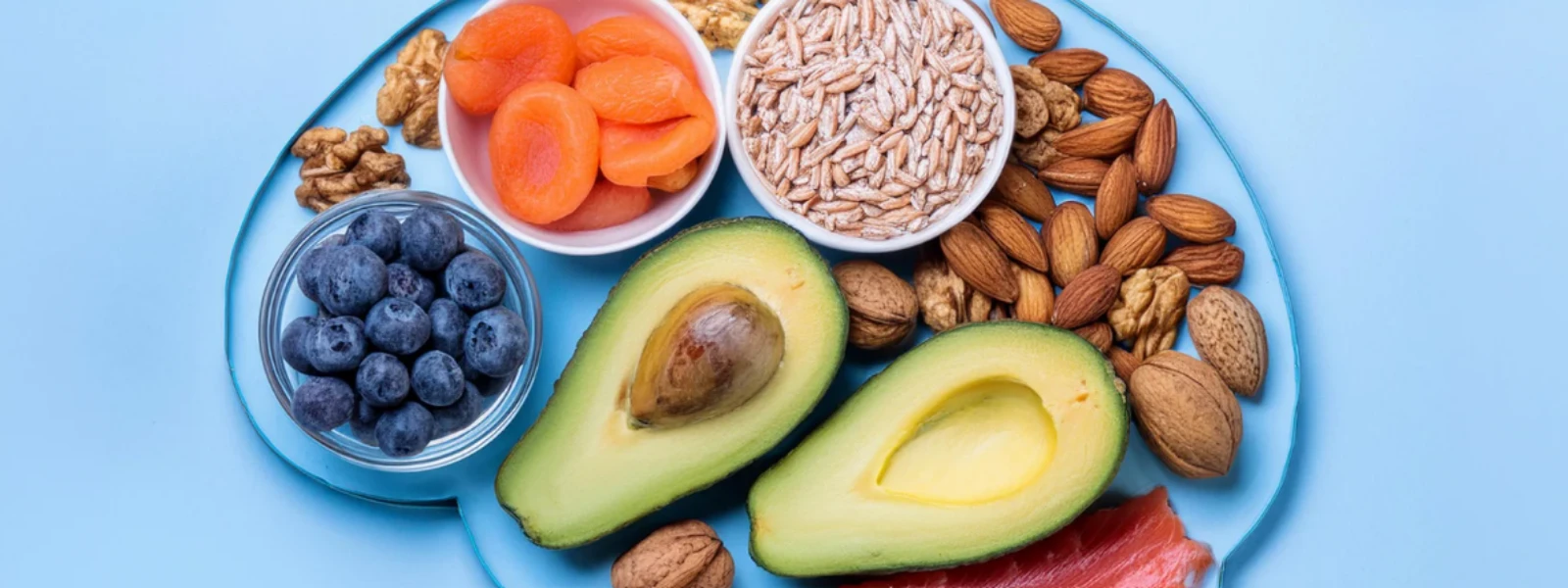


Every parent wants their child to reach their full potential. While genetics play a role, nutrition significantly impacts brain development during the crucial early years. DHA, a vital omega-3 fatty acid, stands out as one of the most important nutrients for children's cognitive growth. This comprehensive checklist will guide you through everything you need to know about DHA for kids, from understanding its benefits to implementing it effectively in your child's daily routine.
DHA, or docosahexaenoic acid, is a long-chain omega-3 fatty acid that serves as a primary building block for brain tissue. Unlike other omega-3s such as EPA (eicosapentaenoic acid) or ALA (alpha-linolenic acid), DHA specifically concentrates in brain cell membranes, making up about 40% of the brain's fatty acid content.
Children's developing brains require significantly higher DHA levels than adults. During the first few years of life, the brain grows rapidly, reaching 80% of its adult size by age three. This intense growth period demands adequate DHA to support proper neural development, memory formation, and cognitive function.
Research shows that children with insufficient DHA intake may experience challenges with attention, learning, and behavioral regulation. The brain's ability to form new connections and process information depends heavily on having adequate DHA levels throughout childhood and adolescence.
DHA maintains the fluidity and flexibility of brain cell membranes, allowing neurons to communicate effectively. This fatty acid also supports the production of important brain chemicals that regulate mood, attention, and learning. Without sufficient DHA, brain cells become rigid and less efficient at transmitting signals.
Multiple studies demonstrate DHA's wide-ranging benefits for children's health and development. Understanding these advantages helps parents make informed decisions about their child's nutrition.
Research consistently shows that children with higher DHA levels perform better on tests measuring memory, attention, and problem-solving skills. Studies involving school-age children found improvements in reading ability, spelling accuracy, and overall academic performance when DHA intake increased.
One significant study followed children for several years and found that those with adequate DHA levels showed better concentration during classroom activities and improved performance on standardized tests. The cognitive benefits appear most pronounced in areas requiring sustained attention and complex thinking.
DHA makes up approximately 60% of the fatty acids in the retina, making it essential for proper vision development. Children with adequate DHA intake show better visual acuity and reduced risk of vision problems. This becomes increasingly important as children spend more time using digital devices.
Several studies indicate that DHA supplementation may help reduce hyperactivity and improve emotional regulation in children. Parents often report improvements in their child's ability to focus, follow instructions, and manage emotions when DHA intake increases.
Did You Know?
Children with ADHD often have lower blood levels of DHA compared to their peers. Research suggests that increasing DHA intake may help improve attention span and reduce impulsive behaviors, though it should complement, not replace, other treatment approaches.
DHA possesses anti-inflammatory properties that support immune function. Children with adequate DHA levels may experience fewer respiratory infections and recover more quickly from illnesses. This immune support becomes particularly valuable during school years when children face increased exposure to germs.
DHA needs vary significantly based on age, with younger children requiring different amounts than adolescents. Understanding these requirements helps ensure your child receives optimal nutrition for their developmental stage.
Toddlers need approximately 0.7 grams of total omega-3 fatty acids daily, with DHA comprising a significant portion. During this period, the brain undergoes rapid development, making adequate DHA intake particularly crucial. Many toddlers may not consume enough DHA-rich foods, making supplementation worth considering.
Children in this age group require about 0.9 grams of omega-3 fatty acids daily. As academic demands increase, ensuring adequate DHA becomes important for supporting concentration and learning. This age group often shows the most dramatic improvements in cognitive function with increased DHA intake.
Older children need higher amounts, with boys requiring approximately 1.2 grams and girls needing 1.0 gram of omega-3 fatty acids daily. During this period, the brain continues developing areas responsible for decision-making and impulse control, making DHA particularly valuable.
For children with specific cognitive or behavioral challenges, research suggests that doses of 450mg or more of combined DHA and EPA may provide additional benefits. However, these higher doses should only be considered under healthcare provider guidance.
While supplements can help, obtaining DHA from whole foods provides additional nutrients that support overall health. Creating a balanced approach using both food sources and supplements often works best for families.
Salmon, mackerel, sardines, and certain types of tuna provide excellent DHA sources. Aim for 2-3 servings of fatty fish per week, with each serving being about 2-3 ounces for younger children and 4-6 ounces for older kids. Choose fish with lower mercury content, such as wild salmon, sardines, and smaller fish.
Many foods now come fortified with DHA, including eggs from DHA-fed hens, certain milk products, and breakfast cereals. These options can help bridge nutritional gaps, especially for children who resist eating fish.
Algae-derived DHA provides an excellent option for vegetarian families or children with fish allergies. Algae supplements offer the same benefits as fish-derived DHA without concerns about mercury or other contaminants.
Creative preparation can make DHA-rich foods more appealing to children. Try salmon patties, fish tacos with mild white fish, or smoothies made with DHA-fortified ingredients. Involving children in meal preparation often increases their willingness to try new foods.
When food sources alone don't provide adequate DHA, supplements can fill the gap. However, choosing the right supplement requires careful consideration of several factors.
DHA supplements come in various forms including liquid, gummies, chewable tablets, and traditional capsules. Liquid forms work well for younger children and allow for precise dosing. Gummies appeal to older children but may contain added sugars. Choose forms that your child will consistently take.
Look for supplements that undergo third-party testing for purity and potency. Quality supplements should be free from heavy metals, PCBs, and other contaminants. Check for certifications from organizations like NSF International or the International Fish Oil Standards program.
Follow age-appropriate dosing guidelines and consider giving supplements with meals to improve absorption. Some children tolerate supplements better when taken with breakfast, while others do better with evening doses.
Products like Wellbeing Nutrition Kids Superfuel provide comprehensive nutrition including vegan omega-3 DHA. This Clean Label Certified formula delivers 100mg of DHA per scoop from algae sources, supporting brain development alongside other essential nutrients for growing children.
Use this practical checklist to ensure your child receives optimal DHA for brain health and development.
✓ Evaluate current DHA intake from food sources
✓ Consider your child's age-specific requirements
✓ Assess any cognitive or behavioral concerns
✓ Review family dietary preferences and restrictions
✓ Plan 2-3 servings of fatty fish or DHA-rich foods
✓ Schedule consistent supplement timing if needed
✓ Prepare kid-friendly DHA-rich meals
✓ Monitor your child's response to dietary changes
✓ Track improvements in attention and learning
✓ Note any changes in behavior or mood
✓ Assess academic performance trends
✓ Adjust dosing or food choices as needed
✓ Choose wild-caught fish when possible
✓ Look for third-party tested supplements
✓ Read labels for DHA content and purity
✓ Consider organic and sustainable options
✓ Store supplements properly to maintain freshness
✓ Keep supplements away from children when not in use
✓ Monitor for any adverse reactions
✓ Consult healthcare providers for specific concerns
DHA is generally safe for healthy children when taken in appropriate doses. However, children with fish allergies should use algae-derived sources, and those on blood-thinning medications should consult their healthcare provider before starting supplements.
Some parents notice improvements in attention and behavior within 4-6 weeks, though cognitive benefits may take 2-3 months to become apparent. Consistency in supplementation or dietary changes is key to seeing results.
While DHA is generally safe, excessive amounts may cause digestive upset, including nausea or loose stools. Following age-appropriate dosing guidelines and consulting healthcare providers helps prevent overconsumption.
Both provide beneficial DHA, but algae-based sources are suitable for vegetarians and those with fish allergies. Algae-derived DHA is also free from ocean contaminants and has a more sustainable environmental impact.
Taking DHA supplements with meals, especially those containing some fat, improves absorption. This also helps reduce any potential digestive discomfort that some children may experience with supplements.
Supporting your child's brain development with adequate DHA represents one of the most impactful nutritional choices you can make. Whether through carefully selected foods, quality supplements, or comprehensive nutrition products, ensuring optimal DHA intake supports cognitive function, academic performance, and overall well-being. Remember that consistency matters more than perfection – small, sustainable changes in your child's diet can yield significant long-term benefits. Consider exploring scientifically formulated nutrition solutions that provide DHA alongside other essential nutrients to support your child's growth and development comprehensively.




Someone sent you
Powered by ReferRush


