Essential Checklist: Choosing Kids Protein Powder
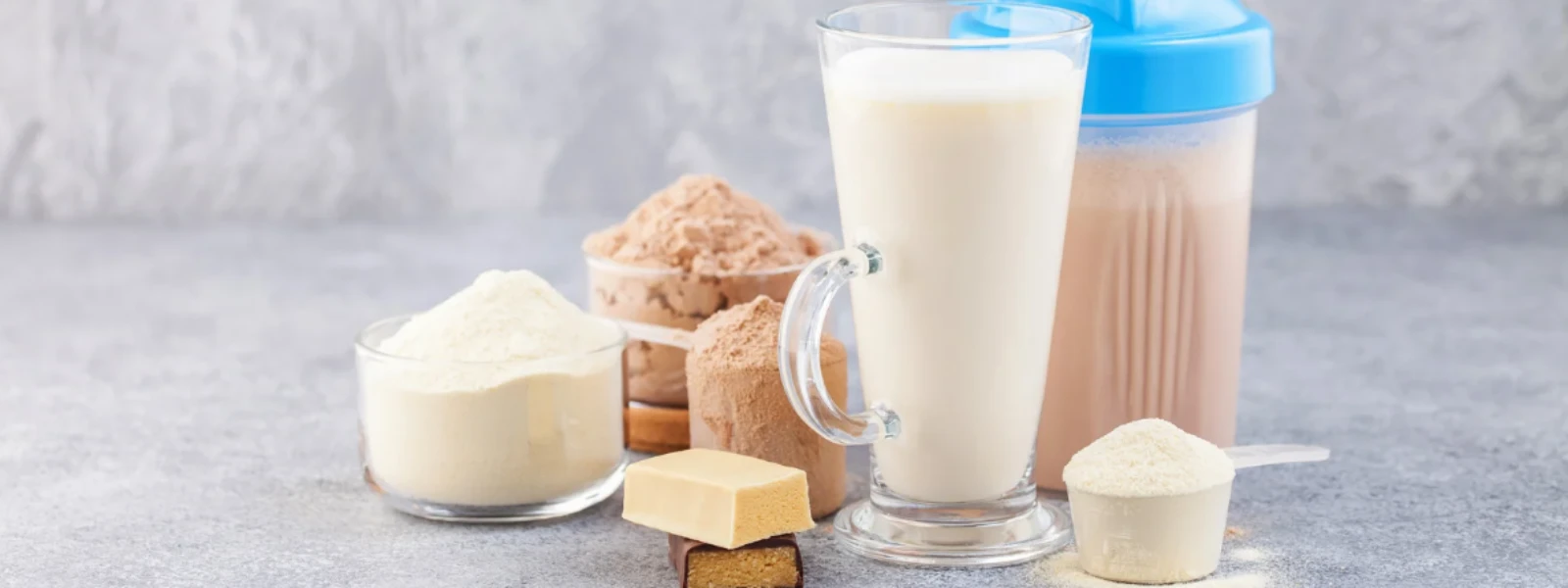


Choosing the right protein powder for children requires careful consideration of safety, nutritional value, and age-appropriate formulations. With growing concerns about childhood nutrition and the rise of picky eating habits, many parents are exploring protein supplements to bridge nutritional gaps. This comprehensive guide will help you navigate the complex world of kids protein supplements, ensuring you make informed decisions that support your child's healthy growth and development.
Children's protein needs vary significantly based on age, activity level, and growth patterns. The recommended daily protein intake ranges from 13 grams for toddlers to 52 grams for teenage boys. However, these numbers represent minimum requirements, and active children or those experiencing growth spurts may need additional protein support.
Natural protein sources like lean meats, eggs, dairy products, legumes, and nuts should always be the primary source of protein in a child's diet. Protein powder for children should only supplement, not replace, whole food sources. Signs that your child might benefit from additional protein include slow growth, frequent illness, poor appetite, or being a vegetarian with limited protein variety.
Athletic children participating in sports or intense physical activities may require up to 1.2-1.4 grams of protein per kilogram of body weight. This increased need supports muscle recovery, growth, and energy requirements. However, most children can meet these needs through a balanced diet without requiring protein supplements.
Kids protein supplements serve specific purposes and should not be used casually. Medical conditions such as failure to thrive, chronic illnesses, or recovery from surgery may warrant protein supplementation under medical supervision. Children with food allergies or severe dietary restrictions might also benefit from carefully selected protein powders.
Protein for picky eaters represents one of the most common reasons parents consider supplements. When children consistently refuse protein-rich foods, supplements can help prevent nutritional deficiencies. However, addressing the underlying eating behaviors should remain the primary goal.
Vegetarian and vegan children face unique challenges in meeting protein requirements. Plant-based protein powders can help ensure adequate intake of essential amino acids that might be limited in their diets. Always consult with a pediatrician or registered dietitian before introducing any nutritional supplements for kids.
Several types of healthy protein powder options are suitable for children, each with distinct advantages and considerations. Plant-based proteins derived from peas, rice, or hemp offer excellent digestibility and are naturally free from common allergens like dairy and eggs. These options work well for children with food sensitivities or those following plant-based diets.
Dairy-based proteins, including whey and casein, provide complete amino acid profiles and are highly bioavailable. Whey protein is particularly well-absorbed and supports muscle development, making it suitable for active children. However, these options are not appropriate for children with dairy allergies or lactose intolerance.
Egg protein serves as an excellent middle ground, offering complete amino acids without dairy concerns. This option works well for children who can tolerate eggs but have other food allergies. Organic formulations provide additional peace of mind by reducing exposure to pesticides and artificial additives.
Expert Insight
Pediatric nutrition experts recommend that protein supplements for children contain no more than 10-15 grams of protein per serving, as excessive protein intake can strain developing kidneys and interfere with the absorption of other essential nutrients.
Safety should be your top priority when selecting protein powder for children. Look for products that undergo third-party testing for purity and potency. These independent tests verify that the product contains what the label claims and is free from harmful contaminants.
Avoid products containing artificial colors, flavors, or preservatives, as children are more sensitive to these additives than adults. Check for certifications such as NSF International, Informed Choice, or USP verification, which indicate rigorous quality testing standards.
Heavy metal contamination poses a serious concern in protein supplements. Choose products that specifically test for lead, mercury, cadmium, and arsenic, with results available upon request. Age-appropriate serving sizes are crucial - adult formulations often contain excessive amounts for children.
Ensure the product complies with FDA regulations for dietary supplements. While the FDA does not pre-approve supplements, reputable manufacturers follow Good Manufacturing Practices (GMP) and provide transparent labeling information.
The best protein for children should provide 8-15 grams of high-quality protein per serving without excessive calories or added sugars. Look for products fortified with essential vitamins and minerals that support growth, such as Vitamin D, calcium, and B vitamins.
Avoid products with high sugar content or artificial sweeteners like aspartame, sucralose, or acesulfame potassium. Natural sweeteners like stevia or monk fruit are preferable options. The ingredient list should be short and recognizable, avoiding unnecessary fillers, gums, or preservatives.
Digestibility factors include the presence of digestive enzymes or probiotics, which can help children with sensitive stomachs. Some formulations include fiber, which supports digestive health but may cause bloating in sensitive children.
Making protein shakes for kids enjoyable requires creativity and understanding of their taste preferences. Younger children typically prefer sweeter, milder flavors like vanilla or chocolate, while older children may accept more complex flavors.
Blend protein powder with fruits like bananas, berries, or mangoes to create naturally sweet and nutritious smoothies. Adding a small amount of nut butter or seeds can enhance both flavor and nutritional value. Frozen fruits create a thicker, more appealing texture that resembles ice cream.
Timing matters when serving protein shakes. Offer them as post-workout recovery drinks for active children or as healthy snacks between meals. Avoid serving protein shakes too close to meal times, as they may reduce appetite for whole foods.
Weight gain supplements for children require careful medical supervision and should only be used when recommended by healthcare providers. Underweight children may benefit from higher-calorie protein formulations that include healthy fats and complex carbohydrates.
Muscle building for kids should focus on supporting natural growth rather than promoting rapid muscle development. Young athletes can benefit from protein supplementation to support recovery and development, but excessive protein intake does not accelerate muscle growth in children.
Monitor your child's progress regularly and adjust supplementation as needed. Growth patterns, appetite changes, and activity levels all influence protein requirements. Regular check-ups with healthcare providers ensure that supplementation remains appropriate and beneficial.
Protein powder can be safe for children when used appropriately and under guidance from healthcare providers. Choose age-appropriate formulations, follow serving size recommendations, and ensure the product undergoes third-party testing for safety and purity.
Most pediatric nutrition experts recommend waiting until children are at least 4-5 years old before considering protein supplements. Younger children typically meet their protein needs through breast milk, formula, and whole foods. Always consult with a pediatrician before introducing supplements.
Children should consume no more than 10-15 grams of protein powder per day, typically in a single serving. This amount supplements, rather than replaces, protein from whole food sources. Individual needs may vary based on age, weight, and activity level.
Protein powder can help bridge nutritional gaps for picky eaters when used as part of a comprehensive approach to improving eating habits. However, it should not replace efforts to expand food acceptance and variety in the child's diet.
Selecting the right protein powder for children requires balancing safety, nutritional value, and practical considerations. Focus on age-appropriate formulations from reputable manufacturers that undergo rigorous testing. Remember that supplements should complement, not replace, a balanced diet rich in whole food protein sources. When used thoughtfully and under appropriate guidance, protein supplements can support healthy growth and development in children with specific nutritional needs. Consider consulting with pediatric nutrition experts to ensure you make the best choices for your child's unique requirements and health goals.




Someone sent you
Powered by ReferRush


