How to Boost Kids' Protein Intake with These Foods?
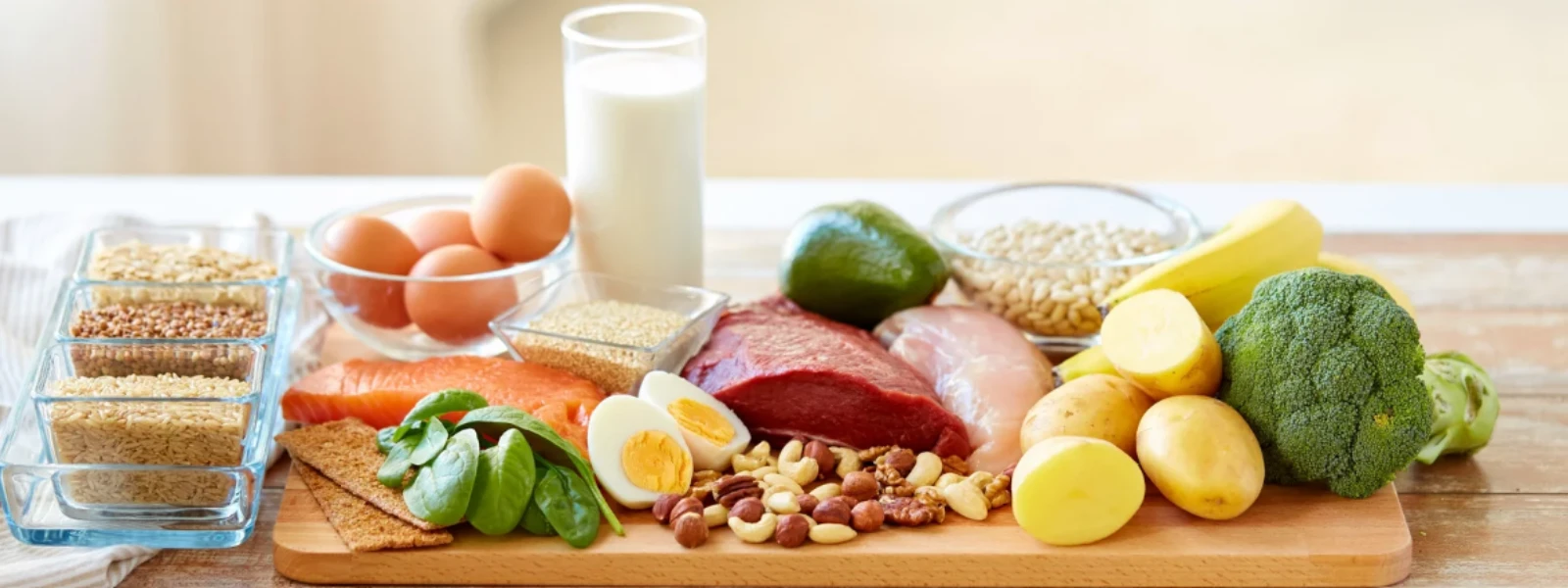


Nearly 40% of children worldwide don't get enough protein for healthy growth and development, according to recent nutritional studies. As parents, we often worry about getting our kids to eat their vegetables, but protein intake deserves equal attention. This essential macronutrient powers everything from muscle development to brain function in growing bodies.
Many parents struggle with the daily challenge of ensuring their children consume adequate protein. Between picky eating habits, busy schedules, and conflicting nutritional advice, it can feel overwhelming to meet these needs consistently. The good news is that with the right knowledge and strategies, boosting your child's protein intake can become both simple and enjoyable.
This guide explores evidence-based approaches to incorporating kids protein rich foods into daily meals and snacks. You'll discover practical solutions that work for real families, including options for picky eaters and busy weeknights. From understanding age-specific protein requirements to mastering meal prep strategies, we'll cover everything you need to build lasting healthy habits for your growing child.
Protein requirements vary significantly based on your child's age, weight, and activity level. Toddlers aged 1-3 years need approximately 13 grams of protein daily, while children aged 4-8 require about 19 grams. School-age kids between 9-13 years should aim for 34 grams daily, with teenage boys needing up to 52 grams and teenage girls requiring 46 grams.
These numbers might seem abstract, but they translate to practical portions. For example, a 4-year-old's daily protein needs could be met with one egg at breakfast, a small serving of chicken at lunch, and a glass of milk with dinner. Understanding these requirements helps you plan balanced meals without obsessing over exact measurements.
Several signs indicate your child might need more protein in their diet. Slow wound healing, frequent infections, or unusual fatigue could signal inadequate intake. However, these symptoms can have multiple causes, so consulting your pediatrician is always wise if you have concerns.
Quality matters as much as quantity when it comes to protein. Complete proteins contain all nine essential amino acids that our bodies can't produce independently. Animal-based sources like eggs, dairy, and meat naturally provide complete proteins, while plant-based options often need to be combined strategically to achieve the same nutritional profile.
Did You Know?
Children's protein needs per pound of body weight are actually higher than adults because they're actively growing. A toddler needs about 0.5 grams of protein per pound, while adults only need 0.36 grams per pound.
Eggs deserve recognition as one of the most versatile kids protein rich foods available. One large egg provides about 6 grams of high-quality protein along with essential nutrients like choline for brain development and lutein for eye health. The protein in eggs has the highest biological value, meaning your child's body can use nearly all of it effectively.
Creative preparation keeps eggs interesting for young palates. Try mini egg muffins baked in muffin tins with vegetables mixed in, or scrambled eggs with cheese shaped into fun characters. Hard-boiled eggs can be turned into egg salad sandwiches or simply enjoyed with a sprinkle of salt as a portable snack.
Chicken breast, turkey, and lean cuts of beef provide substantial protein along with important minerals like iron and zinc. A 3-ounce serving of chicken breast contains approximately 26 grams of protein, making it an efficient way to meet daily requirements.
Kid-friendly preparation methods include grilling chicken tenders, making homemade meatballs, or slow-cooking pulled chicken for sandwiches. Ground turkey works excellently in familiar dishes like tacos or spaghetti sauce, providing protein while maintaining flavors children already enjoy.
Greek yogurt stands out among dairy options, providing twice the protein of regular yogurt. A single cup contains about 20 grams of protein along with probiotics that support digestive health. Mix it with berries and a drizzle of honey for a protein-rich snack that feels like dessert.
Cheese offers another convenient protein source that most children readily accept. String cheese, cubed cheddar, or cottage cheese can easily be incorporated into meals or served as snacks. Even a simple grilled cheese sandwich provides meaningful protein when made with whole grain bread.
Beans and lentils offer impressive protein content along with fiber and complex carbohydrates. One cup of cooked lentils provides about 18 grams of protein, rivaling many animal sources. Black beans, chickpeas, and kidney beans each offer similar benefits with slightly different flavor profiles.
Making legumes appealing to children often requires creativity. Try blending white beans into smoothies for added creaminess, or mashing chickpeas into a hummus dip served with colorful vegetables. Lentil-based pasta has become widely available and provides a familiar format with enhanced nutrition.
Nut butters represent one of the most popular high protein snacks for kids. Two tablespoons of peanut butter provide about 8 grams of protein along with healthy fats that support brain development. Almond butter, sunflower seed butter, and tahini offer alternatives for children with specific allergies or preferences.
Seeds like chia, hemp, and pumpkin seeds can be sprinkled onto yogurt, mixed into smoothies, or incorporated into homemade granola bars. These tiny nutritional powerhouses pack significant protein into small servings that won't overwhelm young appetites.
Quinoa stands apart from other grains because it provides complete protein, containing all essential amino acids. One cup of cooked quinoa offers about 8 grams of protein along with fiber and minerals. Its mild flavor and rice-like texture make it acceptable to many children when prepared properly.
Other whole grains like oats, brown rice, and whole wheat bread contribute meaningful protein when combined with complementary foods. A bowl of oatmeal topped with nuts and fruit creates a complete protein profile while feeling like a comforting breakfast treat.
Starting the day with adequate protein helps stabilize blood sugar and provides sustained energy for learning and play. Protein breakfast ideas kids actually enjoy include overnight oats mixed with Greek yogurt and berries, whole grain waffles topped with nut butter, or smoothies blended with protein-rich ingredients.
Make-ahead options save time on busy mornings. Prepare egg muffins or protein pancakes in batches during weekend meal prep, then reheat throughout the week. These strategies ensure good nutrition even when time is limited.
Protein lunch ideas for kids need to be portable, appealing, and safe at room temperature. Turkey and cheese roll-ups, hard-boiled eggs with whole grain crackers, or hummus with pita bread and vegetables create satisfying combinations that travel well.
Thermos containers expand possibilities for hot protein lunch ideas for kids. Warm options like chicken and rice soup, mini meatballs with pasta, or lentil curry can be kept at safe temperatures while providing comforting nutrition during school days.
Family dinner represents the best opportunity to introduce protein dinner recipes kids will enjoy while ensuring adequate intake. One-pot meals that combine protein with familiar flavors work particularly well. Try chicken and vegetable stir-fry over brown rice, or bean and cheese quesadillas served with fresh salsa.
Involving children in dinner preparation increases acceptance of new foods. Let them help season chicken breasts, mix ingredients for turkey meatballs, or assemble their own protein-rich pizza with various toppings.
Expert Tip
Superior ingredients, highly absorbable formats, and palatable flavors make the difference between supplements children will take consistently versus those that end up forgotten in the pantry.
Understanding why children reject certain protein foods for picky eaters helps develop effective strategies. Texture sensitivity, unfamiliar flavors, or negative past experiences can all contribute to food refusal. Patience and persistence, rather than force, typically yield better long-term results.
Gradual introduction techniques work better than dramatic changes. If your child refuses chicken, try mixing small amounts of shredded chicken into familiar foods like mac and cheese or soup. Slowly increase the proportion as acceptance grows.
Making protein foods fun and interactive can transform mealtime dynamics. Use cookie cutters to create shaped sandwiches, let children build their own protein-rich tacos, or turn dinner preparation into a game where everyone contributes one ingredient.
Sometimes hiding protein in favorite foods provides a bridge to acceptance. Blend silken tofu into smoothies, mix lentils into tomato sauce, or add protein powder to pancake batter. These strategies ensure adequate intake while working on expanding food acceptance.
Eggs, Greek yogurt, chicken breast, fish, beans, lentils, cheese, and nut butters rank among the highest protein foods that children typically accept. A single egg provides 6 grams, while a cup of Greek yogurt offers about 20 grams of high-quality protein.
Start with familiar foods and gradually introduce protein-rich ingredients. Mix shredded chicken into favorite pasta dishes, blend beans into smoothies, or serve protein foods alongside preferred items. Consistency and patience work better than pressure tactics.
Most children can meet protein needs through whole foods, but supplements may be helpful for extremely picky eaters or those with specific dietary restrictions. Always consult your pediatrician before adding supplements to a child's routine.
Eggs, dairy products, beans, lentils, quinoa, nuts, seeds, and soy products provide excellent vegetarian protein options. Combining different plant proteins throughout the day ensures complete amino acid profiles.
Children getting adequate protein typically show steady growth, good energy levels, and normal healing from minor injuries. If you're concerned about intake, track meals for a few days or consult your pediatrician for personalized guidance.
Building healthy protein habits for your children doesn't require perfection or complicated meal plans. Focus on offering variety, making foods appealing, and maintaining consistency rather than forcing specific amounts. Remember that children's appetites naturally fluctuate, and what they refuse today might become a favorite tomorrow.
The key lies in creating positive associations with nutritious foods while ensuring adequate intake through creative preparation and strategic meal planning. Whether you're dealing with a picky eater or simply looking to optimize your child's nutrition, the strategies outlined here provide practical starting points for lasting success.
Every small step toward better nutrition matters for your child's growth and development. Start with one or two new approaches that feel manageable for your family, then gradually expand your repertoire as confidence grows. Your efforts today lay the foundation for lifelong healthy eating habits that will serve your children well into adulthood.




Someone sent you
Powered by ReferRush


