How to Choose the Best DHA for Kids' Brain Development?
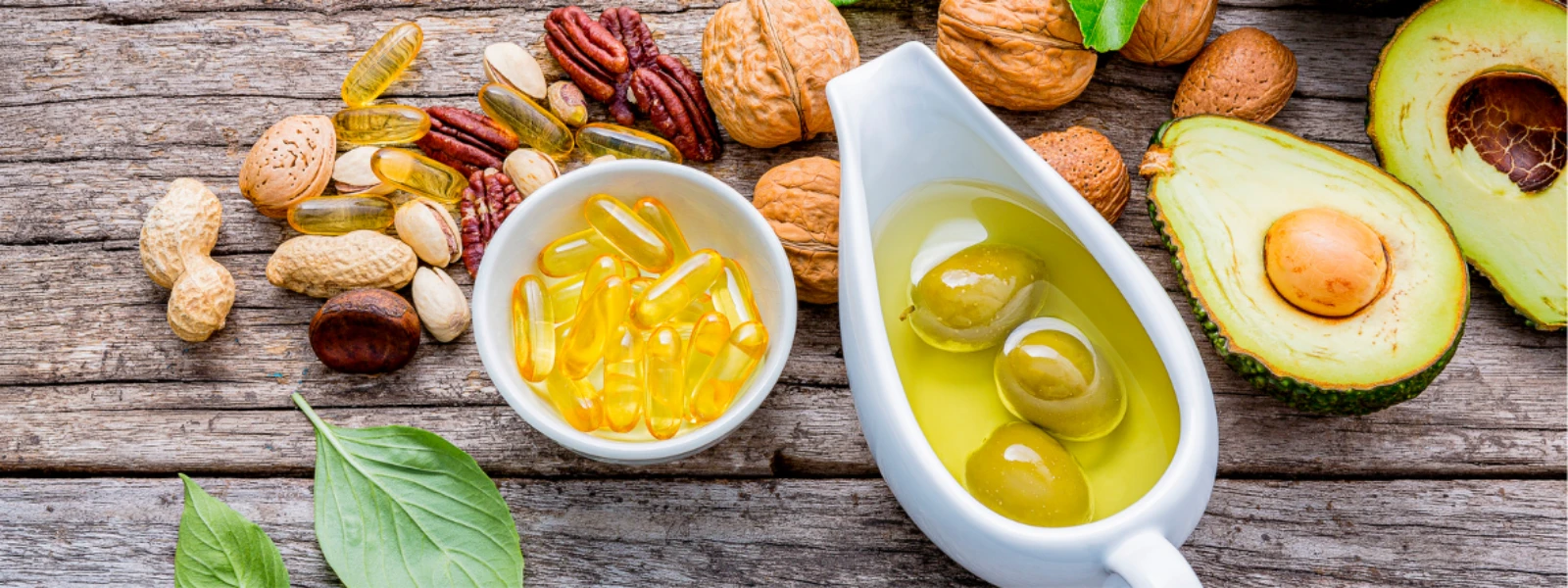


Every parent wants their child to reach their full potential, especially when it comes to brain development. During the critical early years, a child's brain grows at an incredible pace, forming millions of neural connections that shape their future learning, memory, and cognitive abilities. One nutrient that plays a vital role in this process is DHA, an omega-3 fatty acid that serves as a building block for healthy brain tissue.
Choosing the right DHA source for your child can feel overwhelming with countless options available. This guide will help you understand what DHA is, why it matters for your child's development, and how to select the most beneficial form for their specific needs. You'll learn about proper dosages, natural food sources, supplement options, and key factors to consider when making this important decision for your child's cognitive health.
DHA, or docosahexaenoic acid, is a type of omega-3 fatty acid that makes up about 40% of the brain's gray matter. This essential fat cannot be produced by the human body in sufficient amounts, making dietary intake crucial for optimal brain function. DHA serves as a structural component of brain cell membranes, helping maintain their flexibility and facilitating communication between neurons.
During the first six years of life, a child's brain undergoes rapid development. Neural pathways form at an astonishing rate of 700 to 1,000 new connections per second. DHA supports this process by promoting healthy brain cell growth and protecting existing neurons from damage. Research shows that adequate DHA levels during these formative years can enhance memory formation, improve attention span, and support overall cognitive function.
Children with insufficient DHA intake may experience difficulties with learning, concentration, and behavioral regulation. Studies have linked low DHA levels to increased risk of attention disorders, delayed language development, and reduced academic performance. Ensuring adequate DHA intake during childhood can help establish a strong foundation for lifelong brain health and cognitive abilities.
The optimal DHA dosage varies significantly based on your child's age and developmental stage. Understanding these guidelines helps ensure your child receives adequate amounts without exceeding safe limits.
Infants typically receive DHA through breast milk or fortified formula. Breastfeeding mothers should consume 200-300mg of DHA daily to ensure adequate transfer through milk. For formula-fed infants, choose products fortified with at least 17mg DHA per 100 calories. Toddlers aged 1-3 years benefit from 70-100mg of DHA daily, which can be obtained through food sources or age-appropriate supplements.
Preschoolers require approximately 150-200mg of DHA daily to support their rapidly developing brains. School-age children (7-12 years) need 250-500mg daily, as their cognitive demands increase with academic challenges. This higher requirement reflects their growing brain tissue and increased mental activity.
Adolescents can typically follow adult dosage recommendations of 250-500mg daily. However, teens involved in intensive academic programs or sports may benefit from slightly higher amounts under healthcare provider guidance.
Did You Know?
The brain continues developing until approximately age 25, with the prefrontal cortex responsible for decision-making and impulse control being one of the last regions to mature. Maintaining adequate DHA intake throughout childhood and adolescence supports this extended development period.
Fatty fish remains the most concentrated natural source of DHA, providing 500-1000mg per 100g serving. Salmon, sardines, mackerel, and anchovies offer the highest concentrations while being relatively low in mercury compared to larger fish species.
Many children resist eating fish due to taste or texture preferences. Try preparing salmon patties, fish sticks made from quality fish, or mixing flaked salmon into pasta dishes. Canned sardines can be mashed into sandwiches or mixed with cream cheese for a milder flavor. Tuna salad remains a popular option, though limit intake to 2-3 servings per week due to mercury considerations.
For families following vegetarian diets or dealing with fish allergies, algae-derived DHA provides an excellent alternative. Marine algae naturally produces DHA, which fish then consume and concentrate in their tissues. Algae-based supplements offer the same benefits without fish-related allergens.
Fortified foods increasingly provide convenient DHA sources. DHA-enriched eggs from hens fed omega-3 rich diets contain 100-200mg per egg. Fortified milk, yogurt, and breakfast cereals can contribute to daily intake, though typically in smaller amounts than fish sources.
When dietary sources prove insufficient, high-quality supplements can bridge the gap. The supplement market offers various forms, each with distinct advantages for different age groups and preferences.
Liquid DHA supplements work well for younger children who cannot swallow capsules. Many feature natural fruit flavors that mask the fishy taste. Gummy supplements appeal to older children but often contain lower DHA concentrations, requiring multiple pieces to reach therapeutic doses. Chewable capsules provide a middle ground, offering higher concentrations in a kid-friendly format.
Superior ingredients, highly absorbable formats, and palatable flavors make supplement administration easier for parents and more acceptable for children. Look for products specifically formulated for pediatric use rather than adult formulations in smaller doses.
Third-party testing ensures supplements meet purity and potency standards. Reputable manufacturers test for heavy metals, PCBs, and other contaminants that can accumulate in fish oil. Molecular distillation removes impurities while preserving beneficial omega-3 content.
Sustainable sourcing considerations include fish harvested from clean waters using environmentally responsible methods. Some companies support ocean conservation efforts, making them attractive options for environmentally conscious families.
Research consistently demonstrates DHA's positive impact on various aspects of child development beyond basic brain function. These benefits extend to visual development, behavioral regulation, and immune system support.
Studies show children with adequate DHA intake demonstrate improved working memory, faster information processing, and better academic performance. The fatty acid supports synaptic plasticity, the brain's ability to form and strengthen connections between neurons during learning.
DHA comprises about 60% of the retina's fatty acids, making it essential for proper vision development. Adequate intake during infancy and childhood supports visual acuity and may reduce risk of vision problems later in life.
Children receiving sufficient DHA often show improved mood regulation, reduced hyperactivity, and better social interactions. The anti-inflammatory properties of omega-3 fatty acids may contribute to these behavioral benefits by supporting healthy brain chemistry.
Not all DHA products offer equal benefits. Several red flags can help parents identify inferior options that may not provide optimal results or could potentially cause harm.
Avoid products with excessive artificial additives, including unnecessary colors, flavors, and preservatives. These additives provide no nutritional benefit and may cause adverse reactions in sensitive children. Similarly, products with inadequate DHA content won't provide therapeutic benefits despite marketing claims.
Poor quality sources, particularly non-purified fish oil with potential contaminants, pose health risks. Products making exaggerated claims about "miracle brain boosts" or dramatic cognitive improvements should raise suspicion, as legitimate supplements provide gradual, sustainable benefits rather than dramatic overnight changes.
Storage and expiration considerations matter significantly for omega-3 supplements. Rancid fish oil can cause stomach upset and provides reduced nutritional benefits. Always check expiration dates and store supplements according to manufacturer instructions.
The best DHA for kids comes from fatty fish like salmon, sardines, and mackerel, which provide 500-1000mg per 100g serving. For supplements, choose third-party tested, purified fish oil or algae-based options with age-appropriate dosing. Look for products specifically formulated for children with superior ingredients and highly absorbable formats.
Yes, DHA supplements benefit children's brain and visual development when dietary intake is insufficient. Research shows improvements in cognitive function, memory, and behavior with consistent supplementation. However, whole food sources should be prioritized when possible, with supplements serving as a helpful addition to a balanced diet.
Fish oil contains both EPA and DHA omega-3 fatty acids, while DHA supplements focus specifically on docosahexaenoic acid. For brain development in children, DHA-focused supplements may be more targeted, though combination products can provide additional benefits from EPA's anti-inflammatory properties.
Children should use age-appropriate formulations rather than adult supplements. Adult products often contain concentrations that exceed safe pediatric limits and may lack kid-friendly flavoring or delivery methods. Always choose supplements specifically designed for your child's age group.
Most research shows cognitive and behavioral improvements within 8-16 weeks of consistent DHA supplementation. However, benefits may appear gradually, and individual responses vary based on baseline DHA levels, dosage, and overall diet quality. Consistency is key for optimal results.
Choosing the best DHA for your child's brain development requires careful consideration of their age, dietary preferences, and individual needs. Whether through fatty fish, fortified foods, or high-quality supplements, ensuring adequate DHA intake during childhood supports optimal cognitive development and establishes healthy patterns for life. Remember that consistency matters more than perfection, and combining food sources with appropriate supplementation when needed provides the best approach. Consider consulting with your child's healthcare provider to determine the most suitable DHA strategy for your family's unique circumstances and help your child build a strong foundation for lifelong brain health.




Someone sent you
Powered by ReferRush


