How to Choose the Best Protein for Growing Kids?
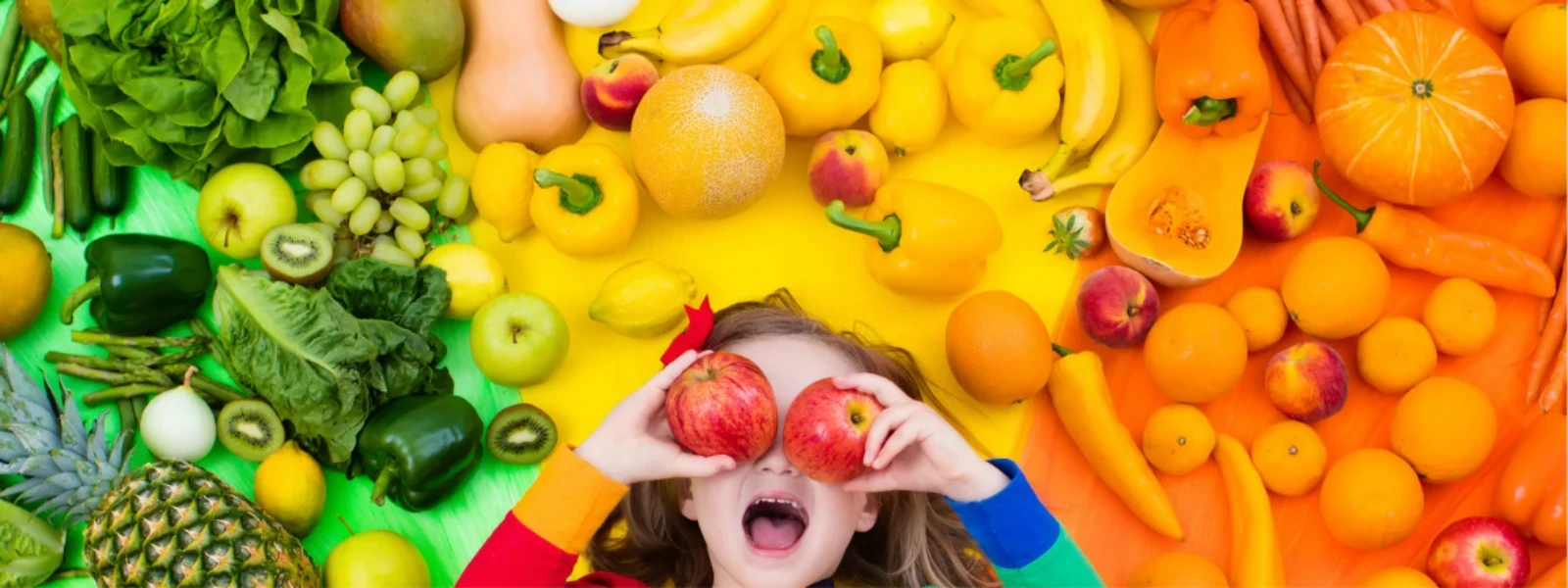


Growing children need protein to build strong muscles, support brain development, and maintain a healthy immune system. Yet many parents struggle to determine how much protein their kids actually need and which sources are best for their growing bodies.
This guide will help you understand your child's protein requirements, explore both natural food sources and supplement options, and learn how to make protein appealing to even the pickiest eaters. By the end, you'll have the knowledge to create a balanced nutrition plan that supports your child's optimal growth and development.
Children's protein requirements change as they grow. Understanding these needs helps ensure your child gets adequate nutrition for proper development.
The recommended daily protein intake varies significantly by age:
• 1-3 years: 13 grams daily
• 4-8 years: 19 grams daily
• 9-13 years: 34 grams daily
These amounts support normal growth patterns and development milestones. Active children or those going through growth spurts may need slightly more protein to support their increased energy demands.
Protein serves multiple vital functions in a child's developing body. It provides the building blocks for muscle development and growth, ensuring children can build lean muscle mass as they become more active.
Brain function and cognitive development also depend heavily on adequate protein intake. The amino acids from protein help create neurotransmitters that support learning, memory, and concentration.
Additionally, protein supports immune system function by helping produce antibodies and other immune cells that protect against illness and infection.
Watch for indicators that your child might not be getting enough protein. These include slower than expected growth, frequent illnesses, fatigue, or difficulty concentrating in school.
Hair that becomes thin or brittle, slow healing of cuts and scrapes, or unusual food cravings can also signal inadequate protein intake.
Whole foods should be the primary source of protein for children whenever possible. However, supplements can play a role in specific situations.
Animal-based proteins provide complete amino acid profiles that growing bodies need. Lean meats like chicken and turkey offer high-quality protein that's easy for children to digest.
Fish provides protein plus beneficial omega-3 fatty acids for brain development. Eggs are versatile and contain all essential amino acids in an easily absorbed form.
Dairy products like milk, cheese, and yogurt combine protein with calcium for strong bones and teeth.
Plant-based proteins can also meet children's needs effectively. Beans, chickpeas, and lentils provide protein along with fiber and important minerals.
Tofu and other soy products offer complete proteins suitable for vegetarian children. Nuts and seeds provide protein and healthy fats, though whole nuts should be avoided for children under 5 due to choking risks.
Greek yogurt parfaits with berries provide protein and probiotics for digestive health. Hummus with vegetable sticks combines plant protein with important vitamins and minerals.
Hard-boiled eggs make convenient, portable protein snacks. Cheese cubes paired with whole grain crackers offer balanced nutrition.
Did You Know?
A single egg contains about 6 grams of high-quality protein, making it one of the most efficient protein sources for children. The protein in eggs is considered the gold standard because it contains all nine essential amino acids in optimal proportions.
Protein supplements kor kids may be helpful for picky eaters who consistently refuse protein-rich foods. Children with medical conditions affecting appetite or nutrient absorption might also benefit from supplementation.
Very active children or young athletes may need additional protein to support their increased activity levels and muscle recovery needs.
When considering protein supplements for children, quality and safety should be top priorities.
Choose products with complete amino acid profiles that provide all essential building blocks for growth. Look for added vitamins and minerals that support overall development.
Some formulations include beneficial additions like DHA for brain development or probiotics for digestive health. These can provide extra nutritional value beyond basic protein needs.
Superior ingredients, highly absorbable formats, and palatable flavors make supplements more effective and appealing to children.
Avoid products with artificial sweeteners, which may cause digestive upset in sensitive children. Excessive sugar content can contribute to tooth decay and unhealthy eating patterns.
Adult protein formulations often contain ingredients or dosages inappropriate for children. Always choose age-specific products designed for pediatric use.
Look for third-party testing and quality certifications that ensure product safety and purity. Choose brands that are transparent about their ingredient sourcing and manufacturing processes.
Proper dosing ensures children get benefits without risks from excessive protein intake.
Follow age-appropriate guidelines and avoid exceeding recommended daily amounts. Spread protein intake throughout the day rather than consuming large amounts at once.
Time protein intake around meals and snacks for optimal absorption and utilization by the body.
Excessive protein intake can strain developing kidneys and cause digestive issues like constipation or stomach upset.
Too much protein may also displace other important nutrients if it reduces appetite for fruits, vegetables, and whole grains.
Always consult your pediatrician before starting any protein supplements. This is especially important for children with medical conditions, food allergies, or special dietary needs.
Regular check-ups can help monitor your child's growth and ensure their nutrition plan supports healthy development.
Creative presentation and involvement can help children develop positive relationships with protein-rich foods.
Protein-rich smoothies disguise nutritious ingredients in appealing flavors. Blend fruits with Greek yogurt or protein powder for tasty treats.
Hide protein in familiar foods by adding beans to pasta sauce or mixing protein powder into pancake batter.
Make food presentation fun with colorful arrangements and interesting shapes that capture children's attention.
Age-appropriate cooking activities help children learn about nutrition while developing life skills. Let them help measure ingredients or arrange foods on plates.
Teaching children about nutrition in simple terms helps them understand why protein matters for their growing bodies.
Introduce new protein sources gradually alongside familiar foods. Offer choices between different protein options to give children some control.
Model healthy eating behaviors and maintain positive attitudes around mealtimes to reduce food-related stress.
Children can get protein from both animal sources like meat, fish, eggs, and dairy products, as well as plant sources including beans, chickpeas, lentils, and tofu. For children over 5, nuts and nut butters are also excellent protein sources. Choose a variety of sources to ensure complete amino acid intake.
20 grams of protein is appropriate for most children depending on their age and activity level. Children aged 4-8 need about 19 grams daily, while those aged 9-13 need 34 grams daily. This amount can easily be achieved through whole foods like a serving of chicken, fish, or Greek yogurt.
A 7-year-old typically needs 19 grams of protein daily, which can usually be met through whole foods like meat, dairy, eggs, and legumes. Protein supplements should only be considered if recommended by a pediatrician, particularly for children with specific medical conditions or severe dietary restrictions.
High protein foods for children include Greek yogurt, eggs, lean chicken, fish, cheese, milk, beans, nut butters (for children over 5), quinoa, and tofu. These foods provide complete or complementary amino acids necessary for growth and development.
Signs of adequate protein intake include normal growth patterns, good energy levels, healthy hair and skin, and strong immune function. If you're concerned about your child's protein intake, consult with their pediatrician who can assess their growth and nutritional status.
Choosing the right protein sources for your growing child involves understanding their age-specific needs, prioritizing whole foods when possible, and considering supplements only when necessary. Focus on variety, quality, and making protein appealing through creative preparation and positive mealtime experiences. Remember that adequate protein intake supports not just physical growth, but also brain development and immune function. When in doubt, consult with your child's healthcare provider to ensure their nutritional needs are being met safely and effectively.




Someone sent you
Powered by ReferRush


