How to Naturally Boost Your Child's Immunity


Every parent wants their child to stay healthy and strong. Building your child's immunity naturally is one of the most effective ways to help them fight off infections and stay energetic throughout the year. Unlike quick fixes or harsh medications, natural immunity building creates a strong foundation that supports your child's health for life.
This comprehensive guide will teach you proven, science-backed methods to boost your child's immune system using nutrition, lifestyle habits, and time-tested home remedies. You'll discover which foods pack the biggest immunity punch, essential vitamins your child needs, and simple daily habits that make a real difference.
Children's immune systems work differently than adults. While adult immunity is fully developed, kids are still building their defense mechanisms through exposure to various germs and nutrients.
From birth to 2 years, babies rely heavily on antibodies from breast milk and gradually develop their own immunity. Between ages 2-5, children's immune systems strengthen rapidly as they encounter new environments. After age 5, their immunity becomes more robust but still needs proper support.
A healthy immune system in children shows itself through quick recovery from minor illnesses, consistent energy levels, and good appetite. Signs of compromised immunity include frequent infections, slow healing, and constant fatigue.
Natural immunity building is safer and more effective than relying solely on supplements. Whole foods provide nutrients in forms that children's bodies can easily absorb and use. This approach also teaches kids healthy eating habits that last a lifetime.
The best natural ways to build immunity in kids start with delicious, nutrient-rich foods that children enjoy eating.
Oranges, strawberries, and kiwi fruits are packed with Vitamin C, which helps white blood cells fight infections. One medium orange provides nearly 100% of a child's daily Vitamin C needs. Make these fruits fun by creating colorful fruit salads or frozen fruit pops.
Yogurt and kefir contain beneficial bacteria that support gut health. Since 70% of immune function happens in the gut, these foods are crucial for strong immunity. Choose plain varieties and add fresh fruits for natural sweetness.
Bell peppers contain more Vitamin C than oranges, while broccoli provides both Vitamin C and immune-supporting compounds. Sweet potatoes offer beta-carotene, which the body converts to Vitamin A for immune function. Roast vegetables with a little olive oil to make them more appealing to kids.
Lean meats, fish, eggs, and legumes provide zinc and protein needed for immune cell production. Fish like salmon also contains omega-3 fatty acids that reduce inflammation and support immune function.
Did You Know?
Children who eat 5 or more servings of fruits and vegetables daily have 50% fewer sick days than those who eat fewer servings, according to research from the American Journal of Clinical Nutrition.
While whole foods should be the primary source, understanding key vitamins helps parents make informed choices about their child's nutrition.
This powerful antioxidant supports white blood cell function and helps the body absorb iron. Children ages 1-3 need 15mg daily, while ages 4-8 need 25mg. One cup of strawberries provides 85mg, easily meeting daily requirements.
Vitamin D regulates immune responses and helps prevent respiratory infections. Safe sun exposure for 10-15 minutes daily helps the body produce this vitamin naturally. During winter months, foods like fortified milk and fatty fish become important sources.
Zinc supports wound healing and immune cell development. Natural sources include pumpkin seeds, chickpeas, and lean meats. Children need 3-5mg daily depending on age.
Iron deficiency weakens immunity and causes fatigue. Combine iron-rich foods like spinach with Vitamin C sources like tomatoes to improve absorption.
Building strong immunity requires more than good nutrition. Daily habits play a crucial role in supporting your child's immune system.
Quality sleep is when the body repairs and strengthens immune defenses. Children ages 3-5 need 10-13 hours, while ages 6-13 need 9-11 hours. Create a consistent bedtime routine and keep bedrooms cool and dark.
Exercise boosts circulation, helping immune cells move through the body more effectively. Children need at least 60 minutes of physical activity daily. This can include playground time, dancing, swimming, or family bike rides.
Chronic stress weakens immunity in children just as it does in adults. Watch for signs like changes in appetite, sleep problems, or behavioral issues. Regular family time, outdoor play, and creative activities help reduce stress naturally.
Teach proper handwashing without over-sanitizing. Children need exposure to some germs to build immunity. Focus on washing hands before meals, after using the bathroom, and after playing outside.
Traditional remedies can support immunity when used appropriately alongside good nutrition and lifestyle habits.
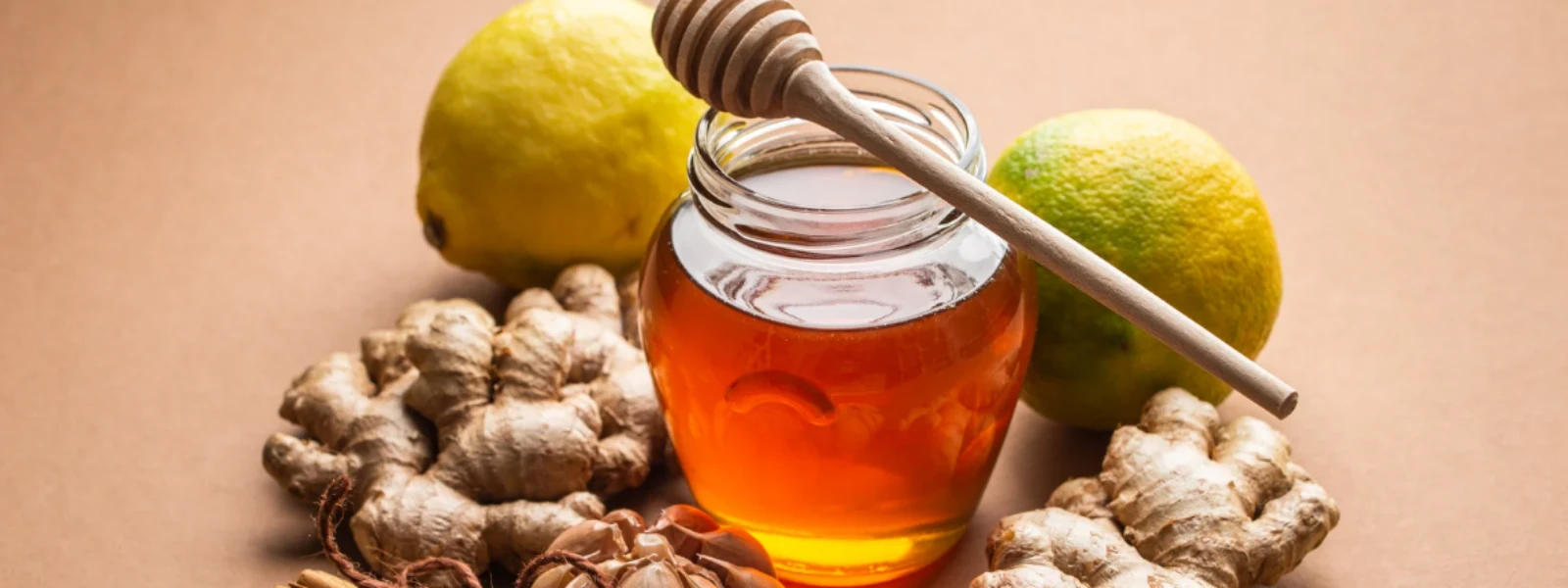
Honey (for children over 12 months) soothes sore throats and has antimicrobial properties. Mix with warm water or herbal tea for a comforting drink. Ginger tea with a touch of honey can ease digestive upset and provide warming comfort.
Proper hydration helps the body flush out toxins and supports immune function. Water should be the primary beverage, but herbal teas and coconut water provide variety while maintaining hydration.
Turmeric milk contains curcumin, which has anti-inflammatory properties. Amla provides concentrated Vitamin C, while tulsi acts as a natural adaptogen. These can be incorporated into daily routines through foods and gentle preparations.
The environment where children live and play significantly impacts their immune health.
Maintain good air quality through proper ventilation and houseplants. Keep homes clean but not sterile - children need exposure to diverse microbes to build strong immunity. Avoid harsh chemical cleaners when possible.
During monsoon season, focus on warm, cooked foods and ensure proper drying of clothes and spaces. Winter months call for warming foods, adequate Vitamin D, and protection from extreme cold without overheating indoors.
Make health habits enjoyable for the whole family. Cook together, take nature walks, and create positive associations with nutritious foods. Children learn best through example and shared experiences.
Focus on providing 5-7 servings of colorful fruits and vegetables daily, ensure adequate sleep, encourage regular physical activity, and maintain good hygiene practices. These natural approaches are often more effective than supplements.
Start with naturally sweet options like berries, oranges, and sweet potatoes. Hide vegetables in smoothies, soups, and sauces. Make food fun with colorful presentations and involve children in cooking to increase their interest in trying new foods.
Sleep requirements vary by age: toddlers need 11-14 hours, preschoolers need 10-13 hours, and school-age children need 9-11 hours. Consistent sleep schedules are as important as total sleep time for immune function.
Most natural remedies are safe when used appropriately, but always consult your pediatrician before trying new approaches, especially for children under 2 years or those with chronic health conditions. Honey should never be given to infants under 12 months.
With consistent healthy habits, you may notice improvements in energy levels and overall wellness within 2-4 weeks. However, building strong immunity is a gradual process that develops over months and years of good nutrition and lifestyle practices.
Building your child's immunity naturally is a journey that combines nutritious foods, healthy habits, and a supportive environment. By focusing on colorful fruits and vegetables, adequate sleep, regular exercise, and stress management, you're giving your child the tools for lifelong health. Remember that consistency matters more than perfection - small, sustainable changes create the biggest impact over time. Every healthy meal, good night's sleep, and active play session contributes to your child's growing strength and resilience.




Someone sent you
Powered by ReferRush


