3 Best Plant Based Protein Powders for Muscle Recovery
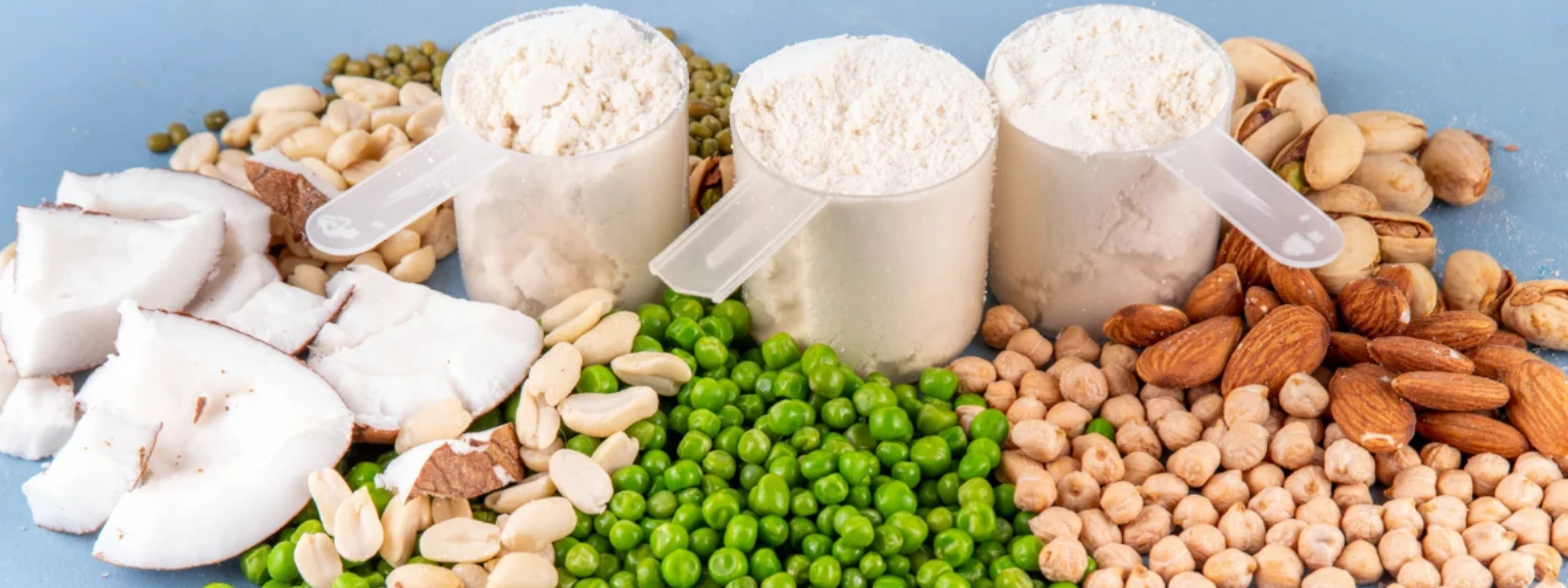


Plant-based protein powders have revolutionized the fitness and nutrition landscape, offering athletes and health enthusiasts a sustainable alternative to traditional animal-based proteins. With growing awareness about environmental impact and dietary preferences, more people are turning to vegan protein powder options for their muscle recovery needs. This comprehensive guide explores the 3 best plant based protein powder options available today, helping you make an informed choice based on your specific fitness goals and dietary requirements.
Whether you're a seasoned athlete looking to optimize recovery or someone beginning their fitness journey, understanding the nuances of plant protein sources can significantly impact your results. From pea protein powder to brown rice protein, each option offers unique benefits that can support your muscle building and recovery objectives.
Plant protein has gained significant traction in the fitness community due to its impressive nutritional profile and recovery benefits. Unlike traditional protein sources, plant-based options offer superior digestibility, making them gentler on your digestive system while still delivering essential amino acids needed for muscle repair.
Research shows that high-quality plant protein blends can provide complete amino acid profiles comparable to animal proteins. These proteins contain anti-inflammatory compounds that may actually enhance recovery by reducing exercise-induced inflammation. Additionally, plant proteins are naturally free from lactose, making them suitable for individuals with dairy sensitivities.
The sustainability factor cannot be overlooked either. Plant protein production requires significantly fewer resources compared to animal protein, making it an environmentally conscious choice. For athletes who train regularly, this means you can support your fitness goals while aligning with sustainable practices.
Modern plant protein formulations feature superior ingredients, highly absorbable formats, palatable flavors that enhance the overall user experience. Advanced processing techniques have improved the bioavailability of plant proteins, ensuring your body can effectively utilize the amino acids for muscle synthesis and recovery.
The plant protein landscape offers diverse options, each with unique characteristics that cater to different needs and preferences. Understanding these differences helps you select the best vegan protein for your specific requirements.
Pea protein powder stands out as one of the most popular plant protein options due to its excellent amino acid profile and high digestibility. Derived from yellow split peas, this protein source provides approximately 20-25 grams of protein per serving and is particularly rich in branched-chain amino acids (BCAAs) essential for muscle recovery.
The hypoallergenic nature of pea protein makes it suitable for individuals with common food allergies. It blends well in smoothies and has a relatively neutral taste, making it versatile for various recipes.
Brown rice protein offers a gentle, easily digestible option for those with sensitive stomachs. While it may be lower in lysine compared to other protein sources, when combined with other plant proteins, it creates a complete amino acid profile that supports muscle building and recovery effectively.
This protein source is naturally gluten-free and provides additional nutrients like B vitamins and fiber, contributing to overall nutritional value beyond just protein content.
Soy protein powder remains one of the few single-source plant proteins that provides all essential amino acids in adequate proportions. Research consistently shows that soy protein can be as effective as whey protein for muscle building when consumed in appropriate amounts.
Modern soy protein processing has addressed many previous concerns about taste and texture, resulting in products that mix well and taste pleasant.
Did You Know?
Combining different plant protein sources can create a more complete amino acid profile than any single source alone. This is why many of the best plant based protein powder formulations use blends of pea, rice, and hemp proteins.
Selecting the right protein powder involves considering several important factors that align with your fitness goals and dietary preferences. The best vegan protein options share certain characteristics that ensure effectiveness and quality.
Look for products that provide at least 20-25 grams of protein per serving. The protein quality should be assessed based on amino acid completeness and digestibility scores. High-quality formulations often combine multiple protein sources to ensure comprehensive amino acid coverage.
The best plant based protein powder options focus on clean, minimal ingredient lists. Avoid products with excessive artificial sweeteners, fillers, or unnecessary additives. Some beneficial additions include digestive enzymes, probiotics, or natural flavoring agents that enhance both taste and functionality.
Third-party testing for purity and potency provides assurance about product quality. Look for certifications such as organic, non-GMO, or clean label certifications that indicate higher manufacturing standards.
Understanding how to properly use plant protein supplements can significantly impact your recovery and performance outcomes. Timing, dosage, and combination strategies all play crucial roles in maximizing benefits.
The post-workout window remains crucial for muscle recovery. Consuming 20-30 grams of plant protein within 30-60 minutes after exercise can optimize muscle protein synthesis. However, spreading protein intake throughout the day is equally important for sustained recovery and muscle building.
While protein supplements are convenient, they work best when combined with a balanced diet rich in whole plant foods. Pairing your protein powder with fruits, vegetables, and healthy fats creates a more comprehensive nutritional profile that supports overall health and recovery.
Adequate hydration enhances protein absorption and utilization. Mixing your plant protein with sufficient liquid and consuming it alongside foods that aid digestion can improve bioavailability and reduce any potential digestive discomfort.
Comparing plant protein to traditional animal-based options reveals several advantages that make vegan protein powder an attractive choice for many athletes and fitness enthusiasts.
Plant proteins typically digest more easily than dairy-based proteins, reducing bloating and digestive discomfort. They also provide additional nutrients like fiber, antioxidants, and phytonutrients that support overall health beyond just muscle building.
From a performance standpoint, research indicates that plant proteins can be equally effective for muscle building and recovery when consumed in adequate amounts and with proper amino acid profiles. The key lies in choosing high-quality formulations that address any potential nutritional gaps.
Effective plant protein powders contain complete amino acid profiles, particularly high levels of branched-chain amino acids (BCAAs) that are essential for muscle repair. The best options combine multiple protein sources to ensure comprehensive amino acid coverage and include ingredients that enhance absorption and digestibility.
Most individuals benefit from 20-30 grams of plant protein per serving, with total daily protein intake depending on body weight, activity level, and fitness goals. Generally, aim for 1.6-2.2 grams of protein per kilogram of body weight for optimal muscle building and recovery.
High-quality plant protein powders can effectively replace animal proteins when part of a well-planned diet. The key is ensuring adequate total protein intake and choosing products that provide complete amino acid profiles through strategic blending of different plant sources.
Plant protein powders are generally well-tolerated, but some individuals may experience mild digestive discomfort when first introducing them. Starting with smaller servings and gradually increasing intake can help your digestive system adjust. Choosing products with digestive enzymes can also minimize any potential issues.
Consider your specific dietary restrictions, taste preferences, and nutritional goals. Pea protein offers excellent amino acid profiles, rice protein is hypoallergenic, and blended formulations provide the most comprehensive nutrition. Reading ingredient lists and third-party testing results can help guide your decision.
Plant based protein powders represent a powerful tool for supporting muscle recovery and overall fitness goals. With superior ingredients, highly absorbable formats, and palatable flavors, modern plant protein options rival traditional protein sources in both effectiveness and taste. The key to success lies in choosing high-quality products that align with your specific needs and incorporating them into a balanced nutrition strategy. Whether you're motivated by health benefits, environmental concerns, or dietary preferences, the best plant based protein powder can help you achieve your fitness objectives while supporting sustainable practices. As the plant protein industry continues to evolve, we can expect even more innovative formulations that further enhance the benefits of these remarkable nutritional supplements.




Someone sent you
Powered by ReferRush


