13 Complete Protein Sources for Muscle Growth
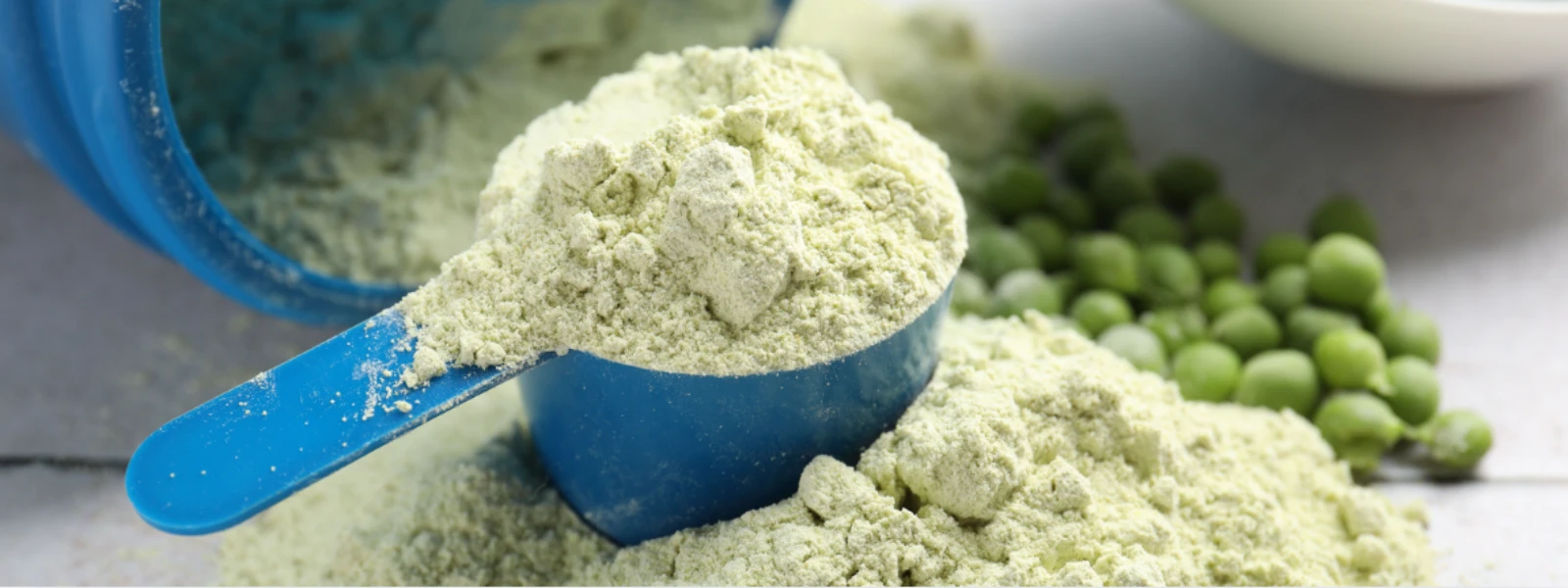


Building muscle requires more than just hitting the gym regularly. Your body needs the right building blocks to repair and grow muscle tissue. Complete protein sources provide all nine essential amino acids your body cannot produce on its own. These amino acids work together to trigger muscle protein synthesis, the process that builds new muscle fibers.
Understanding which foods deliver complete proteins can transform your fitness results. Whether you follow a plant-based diet or include animal products, knowing your options helps you make informed choices for optimal muscle growth. This guide explores 13 complete protein sources that support your muscle-building goals.
Complete protein foods contain all nine essential amino acids in adequate proportions. These amino acids include histidine, isoleucine, leucine, lysine, methionine, phenylalanine, threonine, tryptophan, and valine. Your body cannot manufacture these amino acids, making dietary intake crucial for muscle development.
Incomplete proteins lack one or more essential amino acids. Most plant foods fall into this category, though several exceptions exist. The quality of protein sources is measured using systems like the PDCAAS (a protein quality rating system) and the newer DIAAS (a newer protein scoring method).
Leucine plays a particularly important role in muscle protein synthesis. Research shows that consuming 2.5 to 3 grams of leucine per meal can trigger optimal muscle-building responses. Complete protein sources typically provide adequate leucine along with other essential amino acids.
Chicken Breast delivers 31 grams of protein per 100 grams, making it one of the most concentrated protein sources available. Its high leucine content makes it particularly effective for muscle protein synthesis. The lean nature of chicken breast means you get maximum protein with minimal fat.
Turkey Breast offers similar benefits to chicken with slightly different amino acid ratios. A 100-gram serving provides about 29 grams of complete protein. Turkey contains high levels of tryptophan, which supports recovery and sleep quality.
Lean Beef provides complete protein along with additional nutrients like iron, zinc, and creatine. These compounds support athletic performance and muscle function. Choose cuts like sirloin or tenderloin for the best protein-to-fat ratio.
Pork Tenderloin contains all essential amino acids with about 26 grams of protein per 100 grams. This cut is naturally lean and provides B-vitamins that support energy metabolism during training.
Greek Yogurt combines fast-digesting whey protein with slow-digesting casein protein. This combination provides both immediate and sustained amino acid release. A single cup contains 15-20 grams of complete protein, depending on the brand. For convenient and high-quality protein intake, consider Wellbeing Nutrition's Whey Protein.
Cottage Cheese is rich in casein protein, which digests slowly and provides steady amino acid release for hours. This makes it ideal for consumption before bed to support overnight muscle recovery. One cup provides about 25 grams of protein.
Milk contains both whey and casein proteins in a natural ratio. The combination supports both immediate post-workout recovery and long-term muscle building. One cup of milk provides 8 grams of complete protein.
Fish varieties like salmon, tuna, and cod provide complete protein along with omega-3 fatty acids. These healthy fats support muscle recovery and reduce exercise-induced inflammation. A 100-gram serving of salmon provides 25 grams of high-quality protein.
Eggs have the highest protein quality score among all foods. One large egg contains 6 grams of complete protein with perfect amino acid ratios. The protein in eggs is highly bioavailable, meaning your body can use it efficiently for muscle building.
Tofu and Tempeh are fermented soy products that provide 15-20 grams of complete protein per serving. Tempeh offers additional benefits from fermentation, including improved digestibility and probiotic compounds. These versatile proteins absorb flavors well, making them suitable for various cuisines.
Edamame provides fresh soybeans with complete amino acid profiles. One cup of shelled edamame contains 17 grams of protein along with fiber and folate. This makes an excellent snack for athletes seeking plant-based protein.
Quinoa stands out among grains as a complete protein source. One cup of cooked quinoa provides 8 grams of protein with all essential amino acids. Its versatility makes it suitable for breakfast bowls, salads, or side dishes.
Amaranth is another ancient grain with complete protein properties. It contains about 9 grams of protein per cooked cup and is naturally gluten-free. Amaranth can be popped like popcorn or cooked as a hot cereal.
Hemp Seeds deliver 10 grams of complete protein per 3 tablespoons. They also provide healthy omega-3 and omega-6 fatty acids in optimal ratios. Hemp seeds have a mild, nutty flavor that works well in smoothies or sprinkled on salads. For a plant-based protein boost, consider Wellbeing Nutrition's plant-based protein powders.
Chia Seeds contain all essential amino acids along with omega-3 fatty acids and fiber. Two tablespoons provide 4 grams of complete protein. When mixed with liquid, chia seeds form a gel-like consistency perfect for puddings or smoothie bowls.
Athletes require 1.6 to 2.2 grams of protein per kilogram of body weight daily for optimal muscle growth. For moderate activity levels, aim for 1.6g/kg, and for intense strength training, aim for 2.2g/kg, as supported by current sports nutrition research. This translates to roughly 0.7 to 1 gram per pound of body weight. Strength athletes typically need the higher end of this range, while endurance athletes may function well at the lower end.
Timing protein intake around workouts maximizes muscle protein synthesis. Consuming 20-30 grams of complete protein within 2 hours after training supports optimal recovery. The leucine threshold of 2.5-3 grams per meal helps trigger muscle-building responses. Protein supplementation, such as Wellbeing Nutrition's Whey Protein, can be a convenient way to meet these post-workout needs.
Spreading protein intake throughout the day maintains elevated amino acid levels in your bloodstream. Aim for 20-30 grams of complete protein at each meal rather than consuming large amounts in single sittings. This approach optimizes muscle protein synthesis throughout the day. Protein sources support muscle building as part of overall nutrition, not as curative solutions.
Building meals around complete protein sources ensures adequate amino acid intake. Start with a complete protein as your foundation, then add vegetables, healthy fats, and complex carbohydrates. This approach guarantees you meet your essential amino acid needs. For example, a post-workout meal could include grilled chicken breast or a serving of Wellbeing Nutrition's Whey Protein alongside a balanced mix of vegetables and complex carbs.
For plant-based eaters, combining different protein sources throughout the day can create complete amino acid profiles. While individual meals don't need to contain complete proteins, daily intake should include all essential amino acids. Classic combinations like rice and beans provide complementary amino acids when consumed together. Incomplete protein sources, such as nuts and seeds (excluding hemp and chia), legumes (like lentils and beans), and grains (like oats and rice), can be combined to achieve a full amino acid profile.
Meal prep strategies can help ensure consistent complete protein intake. Batch cooking proteins like chicken, fish, or tofu provides ready-to-eat options throughout the week. Pre-portioned containers with measured protein amounts take the guesswork out of meeting your daily needs.
Complete proteins contain all nine essential amino acids in adequate proportions for human needs. Incomplete proteins lack one or more essential amino acids or contain them in insufficient amounts.
Yes, plant-based diets can support muscle growth when they include complete protein sources like soy products, quinoa, and hemp seeds, or when incomplete proteins are properly combined throughout the day. For those seeking an extra boost, plant-based protein powders are also an option.
Athletes and active individuals need 1.6-2.2 grams of protein per kilogram of body weight daily. This should be spread across 3-4 meals with 20-30 grams of complete protein per meal.
Whole food sources provide complete nutrition including vitamins, minerals, and other beneficial compounds. Supplements like Wellbeing Nutrition's Whey Protein can be convenient for meeting protein goals but shouldn't replace a varied diet of complete protein foods.
While not necessary at every meal, consuming complete proteins regularly throughout the day optimizes muscle protein synthesis. Your body can combine amino acids from different meals consumed within several hours.
To ensure you're getting 100% of your daily protein needs, focus on incorporating a variety of complete protein sources into each meal. This includes lean meats, dairy, eggs, soy products, quinoa, and hemp seeds. If your diet is primarily plant-based, strategically combine incomplete protein sources like legumes and grains. Meal planning and tracking your intake can help ensure you meet your targets consistently. Protein supplements can also be used to supplement your intake if needed.
Complete protein sources provide the essential building blocks your muscles need for growth and recovery. Whether you choose animal-based options like chicken, fish, and eggs, or plant-based alternatives like quinoa, soy products, and hemp seeds, focusing on complete proteins optimizes your muscle-building potential. The key lies in consuming adequate amounts consistently throughout the day, timing intake around workouts, and choosing high-quality sources that fit your dietary preferences. For those looking to enhance their protein intake, Wellbeing Nutrition offers a range of high-quality whey and plant-based protein powders. By incorporating these 13 complete protein sources into your nutrition plan, you create the foundation for successful muscle development and athletic performance.




Someone sent you


