14 Game-Changing Creatine Performance Hacks
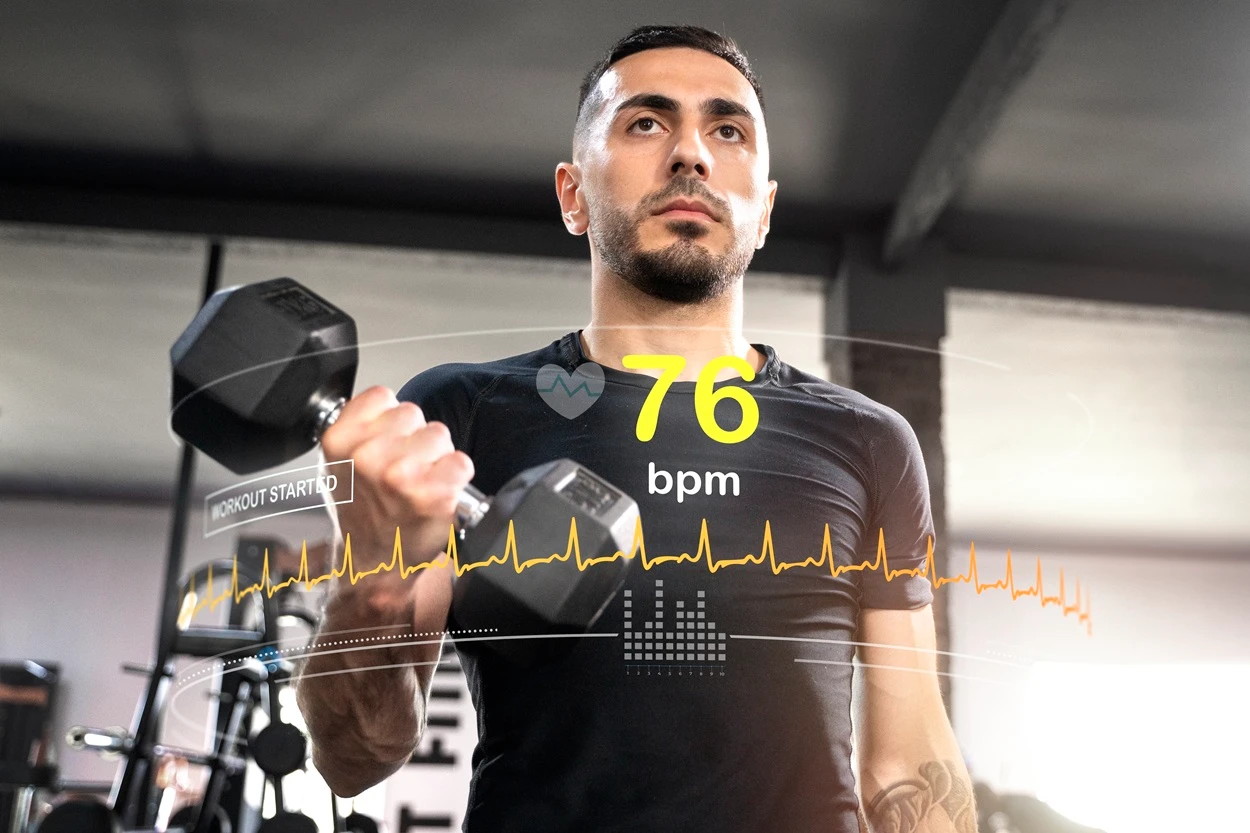


What if a single supplement could increase your strength by 15%, boost your muscle mass by 8%, and enhance your cognitive performance—all while being one of the most researched compounds in sports science? Creatine monohydrate, often called the "gold standard" of sports supplements, has been transforming athletic performance for over three decades, yet many athletes and fitness enthusiasts are still missing out on its full potential.
This comprehensive guide reveals 14 evidence-based creatine performance hacks that go beyond basic supplementation. Drawing from extensive peer-reviewed studies and cutting-edge research, you'll discover how to maximize creatine's benefits for muscle growth, cognitive enhancement, and athletic performance. Whether you're exploring creatine for women-specific benefits, optimizing creatine for men's strength gains, choosing the right creatine powder, or understanding how creatine and muscle growth work synergistically, this guide provides the scientific foundation you need to unlock your performance potential.
Creatine monohydrate works by replenishing your body's ATP stores—the primary energy currency of muscle cells. When you perform high-intensity activities, your muscles rapidly deplete ATP. Creatine phosphate acts as a backup energy system, quickly regenerating ATP to maintain peak performance during short bursts of intense exercise.
This process happens within seconds, making creatine particularly effective for activities like weightlifting, sprinting, and explosive movements. Research shows that muscles with higher creatine stores can maintain power output longer and recover faster between sets.
While supplement companies market various creatine forms, creatine monohydrate remains the most studied and effective option. It offers superior bioavailability, meaning your body can absorb and use it more efficiently than newer alternatives.
The monohydrate form also provides the best value for money. It's been proven safe and effective across thousands of studies, making it the reliable choice for athletes and fitness enthusiasts alike.
Traditional loading protocols recommended 20g daily for 5-7 days. However, modern research suggests a more refined approach. A 10-15g daily dose over 7-10 days achieves similar muscle saturation with fewer digestive side effects.
This updated protocol works particularly well for individuals who experience stomach discomfort with higher doses. The key is consistency rather than aggressive loading.
Your optimal creatine dose depends on your body weight and training intensity. A general guideline is 0.3g per kilogram of body weight during loading, followed by 0.03g per kilogram for maintenance.
Active individuals may benefit from slightly higher maintenance doses, while those with lower training volumes can maintain effectiveness with standard amounts.
While timing isn't as critical as consistency, taking creatine post-workout with carbohydrates can enhance uptake. The insulin response from carbs helps transport creatine into muscle cells more effectively.
Expert Insight Corner: "The Loading Phase Revolution"
Recent studies from sports nutrition research reveal that the traditional 20g loading phase may be outdated. Modified 10g loading protocols over 7 days achieve 95% muscle saturation with significantly fewer digestive side effects, particularly beneficial for creatine for women who often experience more sensitivity to high doses.
Women often hesitate to use creatine due to misconceptions about water retention and bulking. However, creatine for women offers unique advantages that align with female physiology and training goals.
The water retention occurs within muscle cells, creating a fuller, more defined appearance rather than bloating. This intracellular hydration supports better muscle function and recovery.
Creatine supplementation may help women maintain consistent energy levels throughout their menstrual cycle. The supplement supports cellular energy production, which can be particularly beneficial during phases when natural energy levels fluctuate.
Enhanced recovery becomes especially valuable for women who experience increased fatigue during certain cycle phases.
Research suggests creatine supports brain energy metabolism, potentially helping maintain cognitive clarity during hormonal changes. This benefit extends beyond athletic performance to daily mental tasks and focus.
Creatine and muscle growth work together through multiple mechanisms. Beyond energy provision, creatine increases cell volume, which triggers anabolic signaling pathways that promote protein synthesis.
This volumizing effect also improves nutrient delivery to muscle tissues, creating an optimal environment for growth and repair.
Certain nutrients can enhance creatine absorption and effectiveness. Simple carbohydrates create an insulin response that helps transport creatine into muscles. Combining creatine with these nutrients maximizes uptake efficiency.
When selecting supplements, prioritize those with superior ingredients, highly absorbable formats, palatable flavors to ensure consistent daily use and optimal results.
Strategic nutrient timing amplifies creatine's muscle-building effects. Consuming creatine within the post-workout window, when muscles are primed for nutrient uptake, can enhance its anabolic impact.
Not all creatine powder products are created equal. Look for micronized creatine monohydrate, which offers better solubility and absorption compared to regular powder forms.
Third-party testing for purity and potency ensures you're getting exactly what's listed on the label without unwanted additives or contaminants.
Proper mixing preserves creatine's stability and effectiveness. Use room temperature or cool liquids, as heat can break down the compound. Stir thoroughly to ensure complete dissolution.
Avoid letting mixed creatine sit for extended periods, as it can degrade over time in liquid form.
Store creatine powder in a cool, dry place away from direct sunlight. Moisture can cause clumping and reduce effectiveness over time.
Proper storage maintains potency for years, making creatine one of the most stable supplements available.
Creatine supports brain energy metabolism, potentially improving mental clarity, focus, and cognitive processing speed. The brain uses significant energy, and creatine helps maintain optimal function during demanding mental tasks.
Research indicates creatine may support cardiovascular function during high-intensity exercise. It helps maintain cardiac output and reduces perceived exertion during demanding workouts.
Emerging research suggests creatine supplementation may support bone health and joint function, particularly when combined with resistance training. This benefit becomes increasingly important with age.
Unlike some supplements, creatine doesn't require cycling to maintain effectiveness. Your muscles' creatine receptors don't become desensitized with continuous use.
Consistent daily supplementation maintains optimal muscle saturation levels without diminishing returns.
While not necessary, some athletes choose to cycle creatine around competition periods or training phases. This approach is more about periodization strategy than physiological requirement.
If you choose to cycle off creatine, muscle stores will gradually return to baseline over 4-6 weeks. Performance decrements become noticeable after 2-3 weeks without supplementation.
Pro Tip: "The Maintenance Sweet Spot"
Elite strength coaches report that maintaining creatine levels with 3-5g daily doses provides 90% of performance benefits without the need for repeated loading phases. This approach is particularly effective for creatine for men engaged in consistent resistance training programs.
Creatine for men may support natural testosterone function indirectly through improved training capacity and recovery. Better workouts lead to greater training adaptations over time.
Men typically respond well to standard dosing protocols due to generally higher muscle mass and training volumes.
Male athletes often see pronounced improvements in power-based activities like weightlifting and sprinting. The combination of higher baseline muscle mass and creatine supplementation creates optimal conditions for strength gains.
Men engaged in intense training programs benefit from creatine's recovery-enhancing properties. Faster ATP regeneration means shorter rest periods and higher training volumes.
While timing flexibility exists with creatine, post-workout consumption may offer slight advantages. The post-exercise environment creates optimal conditions for muscle uptake.
Pre-workout timing can also be effective, especially when combined with other performance nutrients.
Taking creatine with meals that contain carbohydrates can enhance absorption through insulin-mediated transport. This doesn't require large amounts of carbs—even modest amounts can be beneficial.
For competitive athletes, maintaining consistent daily intake leading up to competition ensures optimal muscle saturation. Avoid starting creatine supplementation close to competition dates.
Inadequate hydration can limit creatine's effectiveness and cause cramping. Increase water intake when starting supplementation to support the increased cellular hydration needs.
Taking excessive amounts doesn't improve results and may cause digestive issues. Stick to research-backed dosing protocols for optimal effectiveness and value.
While generally safe, creatine may interact with certain medications or health conditions. Consult healthcare providers if you have kidney concerns or take medications that affect kidney function.
Track strength improvements, power output, and training volume to gauge creatine effectiveness. Most people notice improvements in rep performance and reduced fatigue between sets.
Monitor lean muscle mass and strength gains rather than focusing solely on scale weight. The initial water weight increase is a positive indicator of muscle saturation.
Some individuals may need slightly higher or lower doses based on their response. Pay attention to your body's signals and adjust accordingly while staying within safe ranges.
New delivery methods aim to improve absorption and reduce digestive side effects. However, traditional creatine monohydrate remains the gold standard for effectiveness and value.
Future approaches may consider genetic factors, training status, and individual metabolism to optimize creatine protocols. Current research provides a solid foundation for personalization.
Wearable technology and biomarker testing may eventually help optimize creatine timing and dosing. For now, consistent daily supplementation remains the most practical approach.
Most individuals experience initial strength and power improvements within 5-7 days of starting supplementation, with peak muscle saturation occurring after 2-3 weeks of consistent use. Visible muscle growth and body composition changes typically become apparent after 4-6 weeks of combined creatine supplementation and resistance training.
Extensive research spanning over 30 years demonstrates that creatine monohydrate is safe for long-term daily consumption in healthy individuals. Studies following athletes for up to 5 years of continuous use show no adverse effects on kidney, liver, or cardiovascular function when used at recommended doses of 3-5g daily.
Yes, creatine can be beneficial during weight loss phases as it helps preserve lean muscle mass while in a caloric deficit. The temporary water weight gain occurs within muscle cells and doesn't interfere with fat loss. Many fitness professionals recommend maintaining creatine supplementation during cutting phases to preserve strength and training intensity.
Maintaining consistent daily creatine intake, including rest days, is essential for keeping muscle creatine stores saturated. Taking 3-5g daily regardless of training schedule ensures optimal muscle saturation levels and prevents the need for repeated loading phases.
Creatine monohydrate remains the gold standard due to its extensive research backing, proven effectiveness, and cost-efficiency. While newer forms claim superior absorption, peer-reviewed studies consistently show that creatine monohydrate provides equivalent or superior results at a fraction of the cost.
These 14 game-changing creatine performance hacks represent the culmination of decades of scientific research and real-world application. From optimizing loading protocols and understanding gender-specific benefits to mastering advanced stacking strategies and timing techniques, implementing these evidence-based approaches can transform your athletic performance and physique development. The key lies not just in taking creatine, but in understanding how to maximize its potential through strategic supplementation, proper timing, and individualized protocols.
As the science of sports nutrition continues to evolve, creatine monohydrate remains one of the most reliable and effective tools in an athlete's arsenal. Whether you're seeking to enhance strength, accelerate muscle growth, improve cognitive function, or optimize recovery, these performance hacks provide the roadmap to unlock creatine's full potential. Consider exploring comprehensive supplement education resources to deepen your understanding of evidence-based nutrition strategies that support your performance goals.




Someone sent you
Powered by ReferRush


