14 Nutritious Protein Recipes for a Healthy Diet
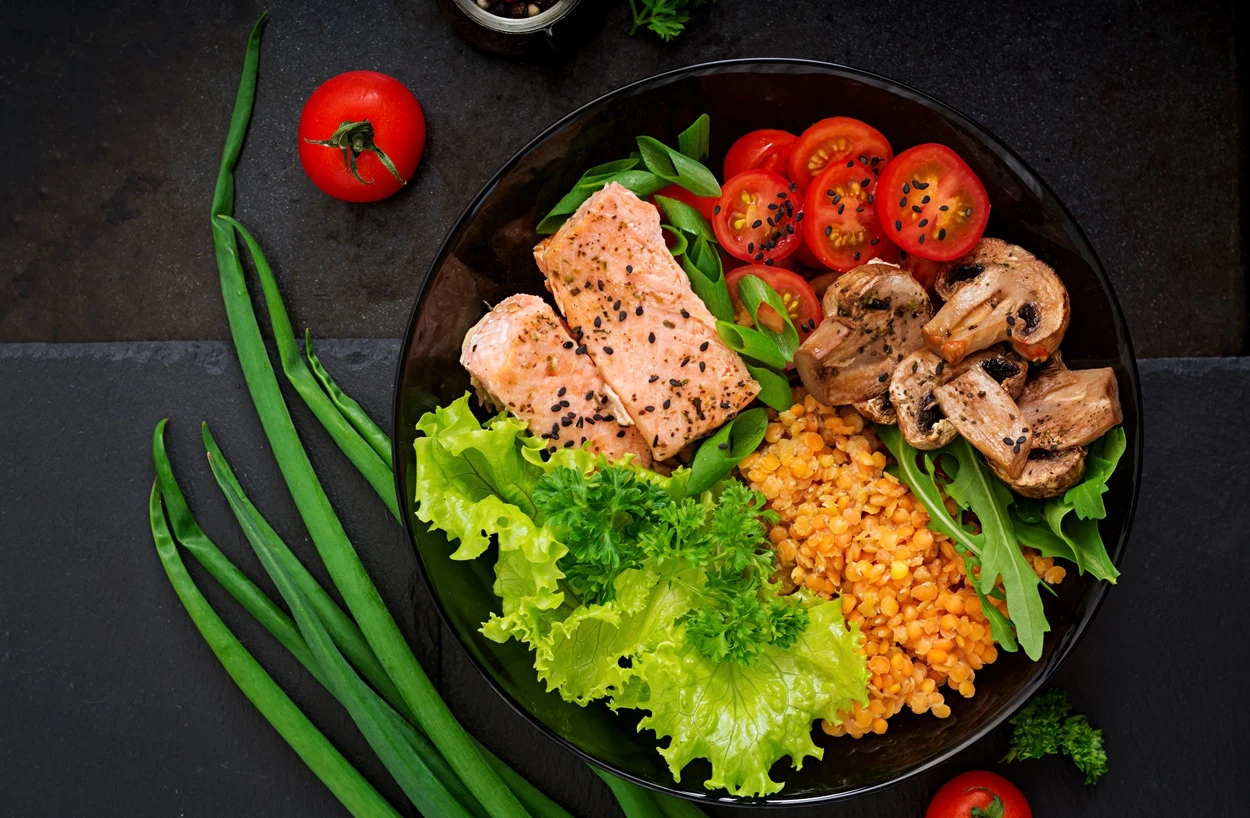


Protein stands as one of the most crucial building blocks of a healthy diet, playing a vital role in muscle development, metabolism, and overall wellness. Whether you're looking to build muscle, maintain a healthy weight, or simply nourish your body with quality nutrients, incorporating protein-rich recipes into your daily meals can transform your health journey.
This comprehensive guide will walk you through 14 delicious and nutritious protein recipes designed to support your fitness goals and boost your overall health. From energizing breakfast options to satisfying post-workout snacks, you'll discover a variety of high protein meals that are both easy to prepare and incredibly beneficial for your body. Each recipe focuses on whole food ingredients that deliver superior nutrition while keeping your taste buds happy.
Protein serves as the foundation for muscle growth and repair throughout your body. When you consume protein-rich recipes, your body breaks down the protein into amino acids, which then work to rebuild and strengthen muscle tissue. This process becomes especially important after exercise, when your muscles need these building blocks to recover and grow stronger.
High protein meals can significantly boost your metabolism through a process called the thermic effect of food. Your body burns more calories digesting protein compared to carbohydrates or fats. This increased energy expenditure can support healthy weight management while helping you feel satisfied for longer periods after eating.
Beyond muscle building, protein plays essential roles in hormone production, immune function, and maintaining healthy skin, hair, and nails. Regular consumption of protein-rich recipes ensures your body has the necessary components to perform these vital functions efficiently.
Combine rolled oats with Greek yogurt, chia seeds, and your favorite berries for a breakfast that delivers sustained energy. Add a scoop of protein powder to boost the protein content to approximately 25 grams per serving. This make-ahead option saves time during busy mornings.
Whisk together egg whites with fresh spinach, crumbled feta cheese, and herbs for a fluffy, protein-rich start to your day. This recipe provides about 20 grams of high-quality protein while keeping calories moderate. Bake in a cast-iron skillet for the perfect texture.
Layer thick Greek yogurt with mixed berries, chopped almonds, and a drizzle of honey. This simple yet satisfying breakfast offers approximately 18 grams of protein along with beneficial probiotics and antioxidants from the berries.
Season chicken breast with herbs and grill until perfectly cooked. Serve over a bed of fluffy quinoa with roasted vegetables and a light vinaigrette. This muscle building recipe provides around 30 grams of complete protein along with fiber and essential nutrients.
Mix canned tuna with mashed avocado, diced vegetables, and a squeeze of lemon juice. Wrap in a whole grain tortilla for a portable lunch that delivers about 25 grams of protein. The healthy fats from avocado help with nutrient absorption.
Simmer red lentils with mixed vegetables, tomatoes, and aromatic spices for a warming, protein-rich meal. This plant-based option provides approximately 15 grams of protein per serving while being rich in fiber and essential minerals.
Season salmon fillets with herbs and bake alongside colorful vegetables like broccoli, bell peppers, and sweet potatoes. This omega-3 rich dinner provides about 28 grams of high-quality protein along with heart-healthy fats.
Form ground turkey into meatballs seasoned with garlic, herbs, and a touch of parmesan cheese. Serve over spiralized zucchini noodles with marinara sauce for a low-carb, high-protein dinner containing approximately 26 grams of protein.
Cube firm tofu and stir-fry with colorful vegetables in a savory sauce made from soy sauce, ginger, and garlic. This plant-based dinner provides about 20 grams of protein while being rich in phytonutrients and fiber.
Blend together protein powder, nut butter, oats, and a touch of honey to create no-bake protein bars. These convenient snacks provide approximately 15 grams of protein and can be customized with your favorite add-ins like dark chocolate chips or dried fruit.
Top creamy cottage cheese with fresh berries, a sprinkle of granola, and chopped nuts. This simple snack delivers about 14 grams of protein along with calcium and probiotics that support digestive health.
Blend protein powder with spinach, frozen berries, banana, and your choice of milk for a refreshing post-workout drink. This smoothie provides around 25 grams of protein while sneaking in extra vegetables and antioxidants.
Simmer chickpeas in a fragrant curry sauce with coconut milk, tomatoes, and fresh spinach. This plant-based dish provides approximately 18 grams of protein per serving along with fiber, iron, and anti-inflammatory spices.
Crumble seasoned tempeh and combine with black beans, fresh vegetables, and avocado in soft tortillas. These protein-packed tacos deliver about 22 grams of plant-based protein while being rich in fiber and essential nutrients.
Start by planning your protein sources for each meal of the week. Batch cook proteins like grilled chicken, hard-boiled eggs, or cooked lentils to make meal assembly quicker during busy days. Keep a variety of protein-rich recipes in rotation to prevent boredom.
Aim to include protein at every meal and snack to maintain steady energy levels and support muscle protein synthesis. Distribute your protein intake evenly throughout the day rather than consuming large amounts in one or two meals.
These muscle building recipes can be easily modified to accommodate various dietary preferences. Swap animal proteins for plant-based alternatives, adjust seasonings to suit your taste preferences, or modify cooking methods based on your available equipment.
Combining proteins with Vitamin C-rich foods can enhance iron absorption, while pairing plant proteins creates complete amino acid profiles. Consider eating your protein-rich recipes alongside vegetables and whole grains for optimal nutrient utilization.
Protein Power Insight: The Protein Absorption Window
Recent studies suggest that the "anabolic window" for protein consumption after exercise may be wider than previously thought. While consuming protein within 30 minutes post-workout is beneficial, research now indicates that protein synthesis can be optimized for up to 24 hours following resistance training.
While total daily protein intake matters most, consuming protein within a few hours after resistance training can support muscle recovery and growth. Include one of these high protein meals or snacks in your post-workout routine for optimal results.
Adequate water intake supports protein metabolism and helps your kidneys process the byproducts of protein breakdown. Aim to drink plenty of water throughout the day, especially when increasing your protein intake through these nutritious recipes.
While protein is important, a balanced diet includes carbohydrates, healthy fats, vitamins, and minerals. These protein recipes are designed to provide complete nutrition, not just protein alone. Remember to include a variety of foods in your daily eating plan.
Whole food protein sources like those featured in these recipes provide superior nutrition compared to heavily processed alternatives. When selecting protein supplements, look for options with superior ingredients, highly absorbable formats, and palatable flavors to complement your whole food protein intake.
Different protein sources provide unique amino acid profiles and nutrients. Rotating through various protein-rich recipes ensures you're getting a complete range of essential amino acids and supporting nutrients for optimal health.
When you consume protein from these nutritious recipes, your digestive system breaks down the protein into individual amino acids. These amino acids then travel through your bloodstream to muscle tissues, where they're reassembled into new muscle proteins through a process called muscle protein synthesis.
Essential amino acids, particularly leucine, trigger muscle protein synthesis and support recovery after exercise. Complete proteins found in animal sources and certain plant combinations provide all essential amino acids your body needs for optimal muscle building.
Your protein needs vary based on your activity level, age, and fitness goals. These protein-rich recipes can be adjusted in portion size to meet your individual requirements, whether you're maintaining muscle mass or actively building new muscle tissue.
The recommended protein intake for muscle building varies, but generally ranges from 1.6 to 2.2 grams of protein per kilogram of body weight per day. However, individual needs may vary based on factors such as age, gender, activity level, and overall health.
Yes, it's possible to meet protein requirements on a vegetarian or vegan diet. Plant-based protein sources include legumes, nuts, seeds, whole grains, and soy products. Combining different plant proteins can help ensure you're getting all essential amino acids.
Protein supplements are not necessary if you can meet your protein needs through whole food sources. However, they can be convenient for some individuals, especially athletes or those with higher protein requirements. It's always best to consult with a healthcare professional or registered dietitian before adding supplements to your diet.
Lean protein sources are ideal for weight loss as they provide satiety without excess calories. Good options include chicken breast, fish, egg whites, low-fat dairy, legumes, and lean cuts of beef or pork. Combining these with fiber-rich vegetables can further enhance feelings of fullness.
In this comprehensive guide, we've explored 14 nutritious protein recipes that can support a healthy diet and muscle-building goals. From breakfast options to post-workout snacks, these protein-rich recipes offer a variety of delicious ways to increase your protein intake. Remember that a balanced approach to nutrition, combined with regular exercise, is key to achieving optimal health and fitness results. By incorporating these recipes into your meal plan and following the tips provided, you can enhance your protein consumption and support your overall wellness journey. We invite you to explore how quality nutrition can transform your health and discover more about supporting your active lifestyle with proper nutrition.




Someone sent you
Powered by ReferRush


