7 Best Protein Powders to Supercharge Weight Loss
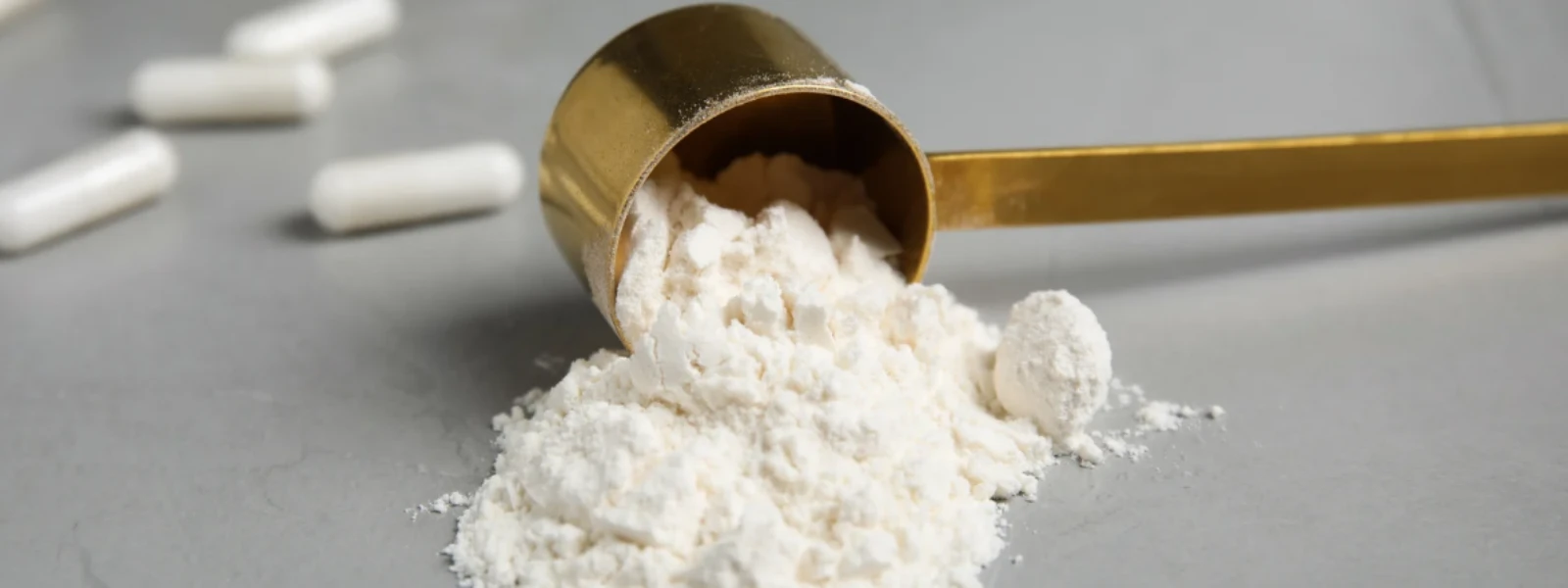


Protein powder has become a cornerstone in weight management strategies, with research showing that adequate protein intake can boost metabolism by up to 30% through its thermogenic effect. This comprehensive guide explores seven scientifically-backed protein powders that can accelerate your weight loss journey while preserving lean muscle mass. You'll discover how different protein types work in your body, optimal timing strategies, and practical implementation methods to maximize fat loss results.
Understanding how protein powder for weight loss works requires examining the metabolic processes that occur when you consume protein. Unlike carbohydrates and fats, protein has a high thermic effect, meaning your body burns 20-30% of the calories from protein just to digest and process it.
This thermogenic response significantly impacts your daily calorie expenditure. When you consume 100 calories of protein, your body uses approximately 25-30 calories to break it down, compared to only 5-10 calories for carbohydrates or fats. This metabolic advantage makes protein for fat loss particularly effective.
Protein also triggers the release of satiety hormones like GLP-1 and PYY while suppressing ghrelin, the hunger hormone. Studies show that increasing protein intake to 25-30% of total calories can reduce cravings by up to 60% and decrease late-night snacking significantly.
During weight loss, maintaining muscle mass becomes crucial for sustaining metabolic rate. Each pound of muscle tissue burns approximately 6-7 calories per day at rest, while fat tissue burns only 2-3 calories. Adequate protein intake, particularly from high-quality sources, helps preserve this metabolically active tissue during caloric restriction.
Selecting the best protein powder for dieting depends on various factors including absorption rate, amino acid profile, and individual dietary needs. Here are seven scientifically-proven options that excel in supporting weight loss goals.
Whey protein isolate stands out as the gold standard for weight loss protein due to its rapid absorption and complete amino acid profile. With 90-95% protein content and minimal carbohydrates and fats, it delivers 25-30 grams of protein per serving with only 100-120 calories.
The fast absorption rate makes it ideal for post-workout consumption, triggering muscle protein synthesis within 30 minutes. This quick response helps maintain metabolic rate and supports recovery, allowing for more frequent and intense training sessions.
Casein protein offers a unique advantage for nighttime fat burning through its slow-release properties. Taking 20-30 grams before bed provides a steady stream of amino acids for 6-8 hours, supporting muscle recovery while you sleep and maintaining elevated protein synthesis rates.
Research indicates that casein consumption before sleep can increase overnight energy expenditure by 5-10%, contributing to enhanced fat oxidation during rest periods.
For those with lactose sensitivity, egg white protein provides an excellent alternative with superior bioavailability. It contains all essential amino acids in optimal ratios and typically provides 24-26 grams of protein per serving with zero carbohydrates.
The moderate absorption rate makes it versatile for any time of day, while its naturally low sodium content supports healthy fluid balance during weight loss.
Modern plant-based protein blends combine multiple sources like pea, hemp, and brown rice to create complete amino acid profiles. These options often include additional fiber, supporting digestive health and enhancing satiety.
The added fiber content, typically 3-5 grams per serving, helps slow digestion and provides sustained energy release, making these blends excellent for meal replacement shakes.
Hydrolyzed whey undergoes partial breakdown during processing, resulting in faster absorption than standard whey protein. This pre-digestion process reduces the risk of digestive discomfort while maximizing amino acid availability.
The rapid absorption makes it particularly effective for immediate post-workout nutrition, supporting both recovery and metabolic enhancement.
Soy protein isolate provides a complete amino acid profile with additional isoflavones that may support hormonal balance during weight loss. It offers 25-28 grams of protein per serving with minimal carbohydrates and fats.
Studies suggest that soy protein may help reduce abdominal fat accumulation, making it particularly valuable for those targeting midsection weight loss.
Pea protein has gained recognition for its high leucine content, an amino acid crucial for muscle protein synthesis. It provides 20-25 grams of protein per serving and is naturally hypoallergenic.
The sustainable production process and excellent digestibility make pea protein an environmentally conscious choice that doesn't compromise on weight loss effectiveness.
Did You Know?
Research published in the American Journal of Clinical Nutrition found that individuals who consumed 25-30 grams of protein at each meal experienced 25% greater satiety and 15% higher metabolic rate compared to those eating lower protein meals throughout the day.
Whey protein for weight loss often takes the spotlight due to its rapid absorption and high leucine content. Leucine acts as a metabolic trigger, signaling muscle protein synthesis and potentially increasing energy expenditure.
Comparing absorption rates, whey protein reaches peak amino acid levels in blood within 60-90 minutes, while casein takes 3-4 hours, and plant proteins fall somewhere in between. This difference affects timing strategies and metabolic impact.
For muscle building protein needs during weight loss, whey protein's complete amino acid profile and high biological value make it superior for preserving lean mass. However, plant proteins can be equally effective when consumed in adequate quantities and combined properly.
Gender considerations play a role in protein selection. Women may benefit more from plant-based options due to their additional phytonutrients and fiber content, while men often respond well to whey protein's rapid muscle-building effects.
Effective use of protein shakes for weight loss requires strategic timing and appropriate dosing. The goal is to maximize protein's metabolic benefits while supporting your overall caloric deficit.
Pre-workout consumption of 20-25 grams can enhance fat oxidation during exercise. Consuming protein 30-60 minutes before training provides amino acids for energy while preserving muscle glycogen stores for performance.
Post-workout timing within 30 minutes optimizes the anabolic window, supporting muscle recovery and maintaining elevated protein synthesis rates. This timing helps preserve metabolically active tissue during weight loss.
Between-meal protein consumption helps control appetite and maintain steady blood sugar levels. A 15-20 gram serving can effectively bridge longer gaps between meals without adding excessive calories.
Daily protein requirements for weight loss typically range from 0.8-1.2 grams per pound of body weight. For a 150-pound individual, this translates to 120-180 grams daily, with 25-50% potentially coming from protein powder supplementation.
Low carb protein powder focuses primarily on protein delivery with minimal additional macronutrients. These products typically contain 1-3 grams of carbohydrates per serving, making them ideal for ketogenic or very low-carb approaches.
Meal replacement shakes provide a more balanced macronutrient profile, including carbohydrates, fats, vitamins, and minerals. They're designed to substitute entire meals while maintaining nutritional adequacy.
For pure weight loss acceleration, low carb protein powders offer more flexibility in meal planning and calorie control. You can customize your intake based on daily needs and combine with whole foods for optimal nutrition.
Meal replacement shakes excel in convenience and portion control, particularly for busy individuals who struggle with meal preparation. They provide structured nutrition that removes guesswork from calorie counting.
Cost analysis typically favors protein powders, as they provide more servings per container and allow for creative recipe development. Meal replacements offer convenience but at a higher per-serving cost.
Integrating protein supplements for weight loss into a comprehensive nutrition strategy amplifies results beyond what supplementation alone can achieve. The key lies in combining high-quality protein powder with nutrient-dense whole foods.
A successful high protein diet typically allocates 25-35% of total calories to protein sources. This approach naturally reduces calorie intake through enhanced satiety while supporting lean muscle maintenance.
Hydration becomes crucial when increasing protein intake, as protein metabolism requires additional water for nitrogen waste removal. Aim for at least 8-10 glasses of water daily, increasing further during exercise.
Exercise synergy maximizes protein powder benefits. Combining resistance training with adequate protein intake preserves muscle mass while creating the metabolic conditions for enhanced fat burning.
Safety considerations include monitoring kidney function in individuals with pre-existing conditions and ensuring balanced nutrition through varied protein sources. Most healthy individuals can safely consume up to 2 grams of protein per kilogram of body weight daily.
Yes, protein powder can significantly support weight loss through multiple mechanisms. It increases metabolic rate through its high thermic effect, enhances satiety to reduce overall calorie intake, and helps preserve lean muscle mass during caloric restriction. Research shows that adequate protein intake can boost metabolism by 20-30% and reduce appetite by up to 60%.
Whey protein isolate is generally considered the most effective for weight loss due to its rapid absorption, complete amino acid profile, and high leucine content. However, the best choice depends on individual factors like dietary restrictions, timing preferences, and digestive tolerance. Plant-based options work equally well when consumed in adequate amounts.
Most individuals benefit from 25-50 grams of protein powder daily, divided into 1-2 servings. This should complement whole food protein sources to reach a total daily intake of 0.8-1.2 grams per pound of body weight. Start with one serving daily and adjust based on your total protein needs and weight loss progress.
Protein powder can occasionally replace meals when combined with other nutrients like fruits, vegetables, and healthy fats to create balanced shakes. However, relying solely on protein powder for multiple meals daily isn't recommended long-term, as it may lead to nutrient deficiencies. Use it strategically to supplement a varied, whole-food diet.
Most people tolerate protein powder well, but some may experience digestive issues like bloating, gas, or stomach discomfort, particularly with lactose-containing products. Starting with smaller servings and choosing high-quality, easily digestible options can minimize these effects. Individuals with kidney conditions should consult healthcare providers before significantly increasing protein intake.
Protein powder serves as a powerful tool in your weight loss arsenal when used strategically and combined with a balanced approach to nutrition and exercise. The seven types outlined offer different advantages, from whey protein's rapid absorption to plant-based options' additional fiber benefits. Success comes from selecting the right protein type for your individual needs, timing consumption appropriately, and maintaining consistency in your approach. Remember that protein powder supplements a healthy lifestyle rather than replacing fundamental nutrition principles. By understanding how protein enhances metabolism, preserves muscle mass, and controls appetite, you can make informed decisions that accelerate your weight loss journey while maintaining long-term health and vitality.



