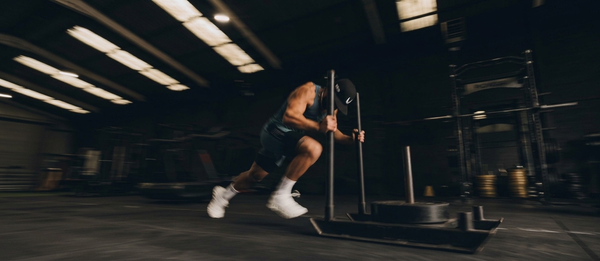
If you're aiming for a leaner, more defined physique, losing fat while holding on to the muscle you’ve worked hard to build, there’s one nutritional strategy that can make a real difference: prioritizing protein. Whether you’re consistently training at the gym, focused on performance, or simply striving to feel strong and energized each day, protein is a key player in helping you reach those goals.
But what exactly gives protein its powerful edge when it comes to body transformation? And more importantly, how do you make a high-protein lifestyle both sustainable and enjoyable? Let’s dive in.
Why Muscle Preservation Matters During Fat Loss
When you're in a calorie deficit, burning more than you consume, your body begins to use stored energy as fuel. Ideally, it taps into fat. But without the right nutritional support and training, your body may also break down muscle for energy. That’s not ideal. Losing muscle not only affects your strength and physique, but it can also reduce your metabolic rate, making long-term weight management even harder.
That’s where dietary protein becomes essential helping protect your muscles while your body sheds fat.
How High Protein Diets Help with Fat Loss & Muscle Retention
1. Boosts Metabolism
Protein has a high thermic effect, meaning your body uses more energy to digest it than fats or carbs. Around 20 -30% of the calories from protein are used just for digestion, compared to 5 -10% for carbs and 0 -3% for fats.(NIH) This gives your metabolism a natural boost. (NIH) It makes you burn more calories around the clock, including during sleep.
2. Reduces Appetite and Cravings
High protein meals help you feel fuller for longer. Protein increases satiety hormones like GLP -1 and peptide YY while reducing ghrelin, the hunger hormone. You’ll notice reduced snacking, fewer cravings, and better portion control all leading to consistent fat loss. A 2005 study cited found that consuming 30% of daily calories from protein led to an automatic reduction of about 441 calories per day. (NIH)
3. Promotes Muscle Repair and Growth
When you train, especially strength or resistance training, your muscles experience micro tears. Protein provides the amino acids needed to repair and rebuild those muscles stronger. Even when you're in a calorie deficit, adequate protein intake helps maintain or even slightly grow muscle mass. (NIH)
4. Supports Lean Body Composition
A higher protein intake during fat loss phases has been linked with greater retention of lean muscle composition. (NIH) In fact, combining a high-protein diet with strength training is one of the most effective strategies for body recomposition. (NIH)
How Much Protein Do You Really Need?
Your ideal protein intake depends on your activity level, body weight, and health goals. While the Recommended Dietary Allowance (RDA) for sedentary adults is 0.8 g/kg of body weight (BW), active individuals often need more.
Here’s a quick guide:
|
Activity Level |
Protein Intake (g/kg of BW per day) |
|
Sedentary |
0.8 |
|
Light Activity |
1.0 |
|
Moderate Activity |
1.3 |
|
Intense Activity |
1.6 |
|
Upper Safe Limit |
2.0 |
|
Tolerable Upper Limit |
3.5 |
Note: Long-term consumption above 2.0 g/kg/day should be approached cautiously, especially for those with underlying kidney or vascular concerns.
Fuel Your Fat Loss with This Protein Packed Daily Diet Plan
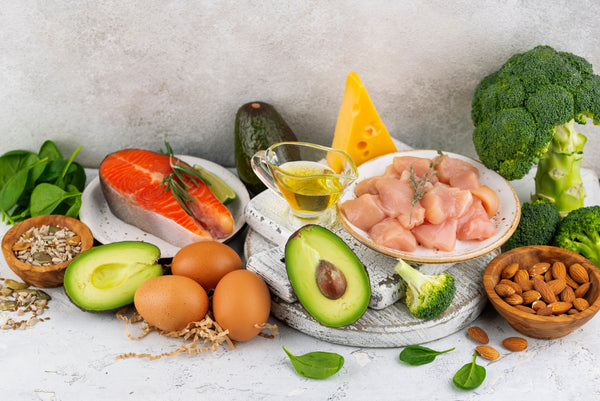
A high-protein day doesn’t have to be boring or rigid; it can be deeply nourishing and energizing when done right. Here's a balanced sample meal plan with smart protein distribution, including Wellbeing Nutrition’s Whey Protein Isolate for clean, post workout recovery:
|
|
Time |
Meal |
|
Early Morning |
6:30 am |
1 cup Warm water + 5 -6 soaked almonds + 2 walnuts |
|
Breakfast |
8:00 am |
2 boiled eggs + 2 moong chilla + mint chutney |
|
Mid-Morning |
10:30 am
|
1 cup Greek yogurt +1 tbsp chia seeds |
|
Lunch |
1:00 pm |
100g Grilled paneer/tofu/ 120 g chicken breast + 1 bowl mixed veggies + 2 pulkas + 1 bowl salad |
|
Pre Workout |
4:30 pm |
1 scoop Wellbeing Nutrition’s Creatine (Monohydrate + HCL) in 250 ml water |
|
Post Workout |
6:00 pm |
1 scoop Wellbeing Nutrition Whey Protein Isolate in 250 ml water / 1 scoop Wellbeing Nutrition’s Vegan Protein in 250 ml water or vegan milk |
|
Dinner |
8:00 pm |
½ cup cooked Quinoa + 1 cup sautéed vegetables + 1 bowl dal / 100g grilled fish /100g chicken |
Tips to Make It Work
💧 Stay hydrated: Aim for 2 -3 liters of water per day to support digestion and metabolism.
(Note: 35 * body weight = Daily water intake)
🏋️♀️ Pair your high protein diet with strength training it amplifies fat loss and muscle retention.
🚫 Minimize refined carbs and sugars that can prevent fat burning.
🍱 Prep ahead: Keep ready to eat protein options like boiled eggs, roasted tofu, or protein shakes on hand.
⚖️ Watch portions, even healthy proteins contain calories that can add up.
🕑 Distribute your protein intake evenly throughout the day to optimize muscle protein synthesis.
🥗 Prioritize protein around workouts, it accelerates recovery and supports lean gains.
The Takeaway
When it comes to sustainable fat loss, preserving lean muscle is key and protein is your cornerstone. A high protein diet not only supports metabolism and appetite control but also safeguards your strength and physique. With strategic planning and the support of clean, high-quality weight management supplements and proteins like Wellbeing Nutrition’s Whey Protein and Vegan Plant Protein Range, you can fuel your fat loss journey with purpose and power.

Recommended Products
 Plant Protein 22g | 500g | 3B CFU Probiotics | Dark Chocolate Hazelnut
₹1,709 – ₹3,238
Plant Protein 22g | 500g | 3B CFU Probiotics | Dark Chocolate Hazelnut
₹1,709 – ₹3,238
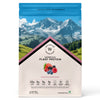 Plant Protein 22g | 500g | 3B CFU Probiotics | Canadian Mixed Berry
₹1,709 – ₹3,238
Plant Protein 22g | 500g | 3B CFU Probiotics | Canadian Mixed Berry
₹1,709 – ₹3,238
 Whey Protein Concentrate 27g | 1kg | 4B CFU Probiotics | Unflavoured
₹3,999 – ₹7,998
Whey Protein Concentrate 27g | 1kg | 4B CFU Probiotics | Unflavoured
₹3,999 – ₹7,998
 Whey Protein Isolate + Concentrate 24g | 1kg | 4B CFU Probiotics | Mango Flavoured
₹4,399 – ₹8,798
Whey Protein Isolate + Concentrate 24g | 1kg | 4B CFU Probiotics | Mango Flavoured
₹4,399 – ₹8,798
 Whey Protein Isolate 26g | 1kg | 4B CFU Probiotics | Bourbon Vanilla
₹6,399 – ₹12,799
Whey Protein Isolate 26g | 1kg | 4B CFU Probiotics | Bourbon Vanilla
₹6,399 – ₹12,799
 Creatine Monohydrate + HCL | 100g | 300mg Taurine | Unflavoured
₹584 – ₹1,168
Creatine Monohydrate + HCL | 100g | 300mg Taurine | Unflavoured
₹584 – ₹1,168
 Creatine Monohydrate | 100g | 300mg Taurine | Unflavoured
₹494 – ₹988
Creatine Monohydrate | 100g | 300mg Taurine | Unflavoured
₹494 – ₹988