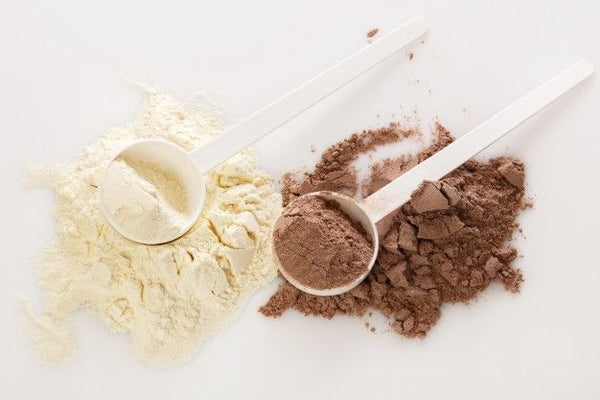
You hit the gym with grit, lift heavy, and sweat it out. But when you look in the mirror, the scale doesn’t budge and the muscles you’re training so hard to sculpt seem reluctant to appear. Sound familiar? The truth is, gaining lean weight isn’t just about lifting more; it’s about fueling your body with the right nutrients at the right time. And that’s where whey protein powder comes into the picture.
Often hailed as the “gold standard” of protein, whey has transformed the way athletes, fitness enthusiasts, and even beginners approach weight gain. Whether you’re struggling with a fast metabolism, busy schedule, or just not being able to eat enough food, whey protein offers a convenient, science-backed solution to tip the scales in your favor toward muscle, not fat.
Why Use Whey Protein for Weight Gain?
Gaining weight isn’t about mindlessly consuming calories, it’s about ensuring those calories contribute to muscle growth. Whey protein is a complete protein that contains all nine essential amino acids, making it one of the most effective tools for muscle recovery and growth. (NIH)
-
It’s fast digesting, so your muscles receive amino acids quickly after a workout.
-
It’s rich in branched-chain amino acids (BCAAs), especially leucine, which directly triggers muscle protein synthesis.
-
It helps you maintain a calorie surplus without making you feel overly stuffed, thanks to its versatility in shakes, smoothies, and recipes.
In short, whey protein bridges the gap between your calorie needs and your muscle-building goals.
Types of Whey Protein: Isolate vs. Concentrate
Not all whey proteins are created equal. The two most popular types are whey protein concentrate and whey protein isolate. (NIH)
-
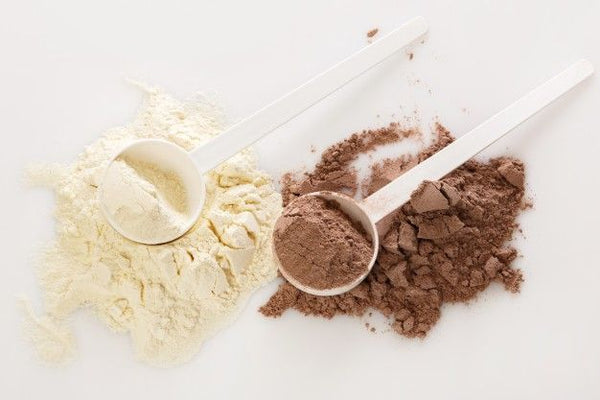
Whey Protein Concentrate: Contains about 70–80% protein, with moderate amounts of carbohydrates and fats. It’s cost-effective and ideal if you’re not lactose sensitive.
-
Whey Protein Isolate: Contains over 90% protein with very little fat or carbs, and almost no lactose. Perfect for those aiming for lean muscle gain or with sensitive digestion.
Wellbeing Nutrition offers both forms, including pure whey protein isolate and isolate–concentrate blends, giving you options based on your goals. If you want fast recovery and lean mass, go for isolate. If you’re okay with a bit of lactose and want a more budget-friendly option, concentrate works well.
How Much Whey Protein Should You Take?
To support muscle gain, aim for 1.6–2 grams of protein per kilogram of body weight per day. Why protein fills the gaps your diet cannot cover.
Here’s how you can use it effectively:
-
Post-Workout: Take 20–30 g of whey protein within an hour after training.
-
Between Meals: Add a scoop to smoothies or oats to boost daily calories.
-
Before Bed: Mix whey with milk for sustained overnight release of amino acids.
Consistency is key spread your protein intake evenly across the day for maximum absorption and results.
Whey Protein vs. Mass Gainers
Mass gainers combine protein, carbohydrates, and fats into one powder. While they’re calorie-dense, they often contain added sugars. Whey protein, on the other hand, gives you clean protein that you can customize you decide how many carbs or fats to add through whole foods. This makes whey a better option for controlled lean weight gain.
Benefits of Whey Protein
-
Muscle Growth: Supports whey protein for muscle gain by promoting muscle protein synthesis.
-
Convenience: Easy to prepare, portable, and versatile.
-
Digestibility: Especially with isolates, whey is easy on the stomach.
-
Dual Role: While excellent for weight gain, whey is also used in whey protein for weight loss programs to preserve muscle while cutting fat. (NIH)
Considerations Before Use
-
If you’re lactose intolerant, choose whey protein isolate instead of concentrate.
-
Use whey as a supplement, not a replacement for balanced meals.
-
Stick to high-quality, clean-label whey protein powders to avoid unnecessary additives.
Why Choose Wellbeing Nutrition Whey?
Not all whey protein powders are created equal, and the right choice can make all the difference in your fitness journey. Wellbeing Nutrition’s whey stands out because it goes beyond just protein, it’s designed to be clean, effective, and easy on the body.
-
High Protein Content: Each scoop delivers up to 31 g of pure protein in whey protein isolate and around 27 g in whey protein concentrate, packed with essential amino acids and BCAAs for faster recovery and muscle growth.
-
Enhanced with Velositol®: Select formulations feature Velositol®, a clinically studied ingredient proven to amplify muscle protein synthesis, ensuring you get more results out of every workout.
-
Gut-Friendly Blend: With added digestive enzymes like bromelain and papain, plus 4 billion CFU probiotics, these proteins are easier to digest and reduce bloating, a common issue with regular protein powders.
-
Clean Label Promise: Free from preservatives, banned substances, hormones, or artificial additives, every batch is tested for purity and safety.
-
Low Lactose Options: The whey protein isolate is 99% lactose-free, making it suitable for those who are sensitive, while still delivering maximum nutrition.
-
Natural Taste & Variety: Sweetened with monk fruit instead of sugar, available in rich flavors like Dark Chocolate, Cappuccino, and Vanilla, as well as unflavoured for versatility.
-
For Every Goal: Whether you want whey protein for muscle gain, lean recovery, or even whey protein for weight loss, Wellbeing Nutrition offers tailored options with the right balance of protein, calories, and digestive support.
Daily Protein Intake Plan

Here’s an example of how to include whey protein throughout the day:
-
Breakfast: Veggie omelet with whole wheat toast and milk.
-
Mid-Morning: Banana with a handful of nuts.
-
Lunch: Grilled chicken/paneer with rice and salad.
-
Post-Workout: 1 scoop Wellbeing Nutrition Whey Protein Isolate with milk.
-
Evening Snack: Greek yogurt with granola.
-
Dinner: Salmon/paneer tikka with sweet potato and veggies.
-
Before Bed: Warm milk with soaked almonds.
This approach ensures you’re always fueling your muscles while staying in a calorie surplus.
Final Thoughts
Gaining weight, particularly lean muscle, requires more than determination in the gym. It demands strategic nutrition and whey protein powder is one of the most effective tools to get there. Whether you prefer whey protein concentrated for its value, or whey protein isolate for its purity, consistency and quality are what deliver results.
By choosing a trusted brand like Wellbeing Nutrition and incorporating whey smartly into your routine, you can finally see the scale move in the right direction — toward strength, size, and lasting results.

Recommended Products
 Whey Protein Concentrate 27g | 1kg | 4B CFU Probiotics | Unflavoured
₹4,499 – ₹8,998
Whey Protein Concentrate 27g | 1kg | 4B CFU Probiotics | Unflavoured
₹4,499 – ₹8,998
 Whey Protein Isolate + Concentrate 24g | 1kg | 4B CFU Probiotics | Mango Flavoured
₹4,949 – ₹9,898
Whey Protein Isolate + Concentrate 24g | 1kg | 4B CFU Probiotics | Mango Flavoured
₹4,949 – ₹9,898
 Whey Protein Isolate + Concentrate 24g | 1kg | 4B CFU Probiotics | Swiss Chocolate
₹6,174 – ₹12,348
Whey Protein Isolate + Concentrate 24g | 1kg | 4B CFU Probiotics | Swiss Chocolate
₹6,174 – ₹12,348
 Whey Protein Isolate + Concentrate 24g | 1kg| 4B CFU Probiotics | Cappuccino
₹6,174 – ₹12,348
Whey Protein Isolate + Concentrate 24g | 1kg| 4B CFU Probiotics | Cappuccino
₹6,174 – ₹12,348
 Whey Protein Isolate 26g | 1kg | 4B CFU Probiotics | Dark Chocolate
₹7,199 – ₹13,949
Whey Protein Isolate 26g | 1kg | 4B CFU Probiotics | Dark Chocolate
₹7,199 – ₹13,949
 Whey Protein Isolate 26g | 1kg | 4B CFU Probiotics | Bourbon Vanilla
₹7,599 – ₹15,199
Whey Protein Isolate 26g | 1kg | 4B CFU Probiotics | Bourbon Vanilla
₹7,599 – ₹15,199
 Whey Protein Isolate 31g | 1kg | 4B CFU Probiotics | Unflavoured
₹6,399 – ₹12,399
Whey Protein Isolate 31g | 1kg | 4B CFU Probiotics | Unflavoured
₹6,399 – ₹12,399