You train consistently, eat what looks like a balanced diet, and try to do everything “right.” Yet your muscles feel unimpressed. Growth is slow, recovery drags, and energy fades long before the day ends.
This usually isn’t a motivation problem. It’s physiology.
Protein isn’t just another macronutrient. It’s biological currency. Every muscle fiber, enzyme, hormone, immune cell, and neurotransmitter is constructed from amino acids. When intake falls below demand, your body doesn’t negotiate. It reallocates.
Muscle building pauses. Survival takes priority. And what’s fascinating is how subtly the body communicates this shift.
Let’s decode the real signs of protein deficiency, understand the deeper signs of low protein, and uncover why your healthy protein intake matters more than your workout plan.
1. You’re Training Hard but Your Muscles Aren’t Responding
Muscle growth depends on two things: mechanical stimulus from training and amino acid availability from food.
When protein intake is inadequate, cells fail to activate efficiently, muscle protein synthesis stays suboptimal, and damaged fibers aren’t rebuilt into stronger tissue. Instead of adaptation, you experience stagnation (NIH).
This is one of the earliest and most frustrating signs of low protein, especially in people who train regularly.
Your workouts are sending the signal. Your nutrition simply isn’t supplying the raw materials. And when growth stalls, strength rarely stays far behind.
2. Your Strength Drops Faster Than It Builds
Your body treats skeletal muscle like an amino acid savings account.
When dietary protein is insufficient, it withdraws from this reserve to support essential systems like immunity and brain chemistry. In practical terms, that means your body breaks down muscle tissue to stay alive (NIH).
This explains why strength disappears quicker than it arrives. It’s not inconsistency. It’s metabolic economics. And once strength slips, recovery usually becomes the next casualty.
3. You’re Constantly Sore and Recovery Feels Endless
Training creates microscopic muscle damage. Protein repairs it.
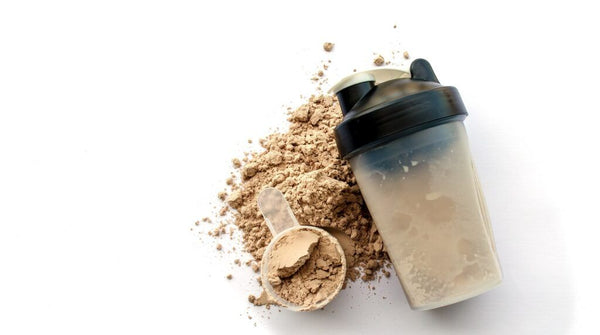
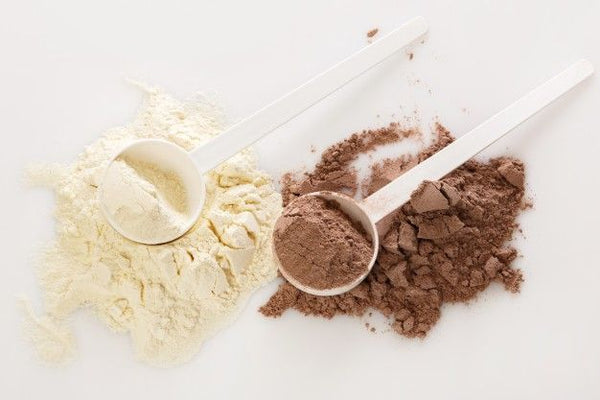
Without adequate intake, inflammatory signals linger longer, connective tissues heal more slowly, and soreness becomes your new normal. This is where whey protein powder, whey isolate protein, whey concentrate, or even vegan protein often become strategic tools rather than shortcuts.
They provide fast-absorbing amino acids precisely when your muscles need rebuilding. When recovery drags, it’s often because protein availability is lagging behind training demand. But muscles aren’t the only tissues that begin to suffer (NIH).
4. Your Hair, Skin, or Nails Look Different
Protein builds keratin, collagen, and elastin. When intake drops, your body redirects amino acids away from appearance-related tissues toward vital organs.
The result may include:
-
Thinning or increased hair fall
-
Brittle or peeling nails
-
Skin that looks dull or less elastic
These are early, visible signs of protein deficiency, and they usually appear before deeper metabolic symptoms become obvious. Your mirror is simply reporting what your cells already know. Soon after, appetite patterns begin to change.
5. You’re Hungry Often, Especially for Carbs
Protein regulates satiety hormones like GLP-1 and peptide YY. When intake is low, blood sugar becomes less stable, and cravings for quick carbohydrates increase.
You may find yourself eating more frequently while feeling less satisfied, creating a cycle that quietly sabotages muscle building.
Adding more protein rich foods or smart protein supplements often restores appetite control within days. But hunger isn’t the only signal.
6. You Feel Tired Even When You Sleep Well
Amino acids are essential for producing neurotransmitters like dopamine and serotonin, and they also support mitochondrial energy production.
Without enough protein, fatigue creeps in slowly, showing up as brain fog, low motivation, and afternoon crashes that coffee struggles to fix. This form of tiredness is metabolic, not psychological, and it’s one of the most overlooked signs of low protein.
When energy drops, immune resilience often follows.
7. You’re Getting Sick More Often Than Before
Antibodies are protein-based and so are many immune signaling molecules. Low protein intake weakens immune defenses, making you more vulnerable to frequent infections and slower healing. This is your body prioritizing survival over performance.
Muscle growth pauses while immune protection takes center stage. Then comes a quieter signal that many people miss.
8. You Notice Puffiness or Mild Swelling
Protein helps maintain fluid balance inside blood vessels. When levels drop significantly, fluid can leak into surrounding tissues, causing puffiness in the face, hands, or feet.
It’s uncommon, but when it appears, it’s a clear indicator that protein intake has been inadequate for some time.
9. You’re Unsure About How Much Protein You Should Take
Questions like:
-
How much protein should I take?
-
How much protein is needed per day?
-
How many protein intake per day is ideal?
For muscle building, research consistently suggests: 1.6 to 2.0 grams of protein per kilogram of body weight daily. That means 60 kg individual needs roughly 96 to 120 grams per day.
Reaching this through food alone can be challenging, which is why protein supplements, including whey isolate protein, whey concentrate, and vegan protein, are often used to fill nutritional gaps. They complement meals, they don’t replace them.
10. You’re Doing Everything Right, Yet Your Body Composition Won’t Change
You train regularly, hydrate well, eat balanced meals, and get decent sleep. Still, muscle refuses to appear and fat remains stubborn. This usually means calories are adequate, but amino acids are not.
Without enough protein, your body cannot enter an anabolic state. It stays metabolically conservative, prioritizing maintenance over transformation. That’s when targeted protein foods for muscle building and intentional healthy protein intake become powerful levers for change.
Final Thoughts
Resistance training provides the signal. Protein supplies the structure. Without sufficient amino acids, your body simply cannot upgrade itself.
If you recognize even a few of these signs of protein deficiency, your system may be asking for more biological building blocks.
Start by focusing on:
-
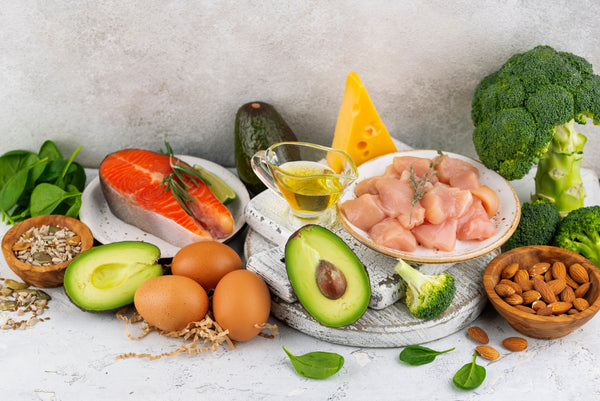
Whole protein rich foods at every meal
-
Strategic use of whey protein powder or vegan protein
-
Even protein distribution across the day
-
Meeting your personal protein needed per day
Because once protein availability improves, something remarkable happens. Recovery accelerates, strength stabilizes, energy returns and muscle finally get permission to grow.
FAQs
1. What are the most common signs of protein deficiency when trying to build muscle?
Some of the earliest signs of protein deficiency include slow muscle growth, persistent soreness, frequent fatigue, increased hunger (especially for carbs), weakened immunity, and changes in hair, skin, or nails. Over time, low protein intake can also lead to strength loss and stalled body composition changes, even if you train consistently.
2. How do I know if I have signs of low protein in my daily diet?
If you experience poor recovery, frequent cravings, low energy despite adequate sleep, or difficulty gaining muscle, these may be signs of low protein. A simple way to assess this is to track your meals for a few days and compare your intake to your recommended protein needed per day based on body weight.
3. How much protein should I take a day for muscle building?
For most active adults, research suggests 1.6 to 2.0 grams of protein per kilogram of body weight daily for muscle growth. That means a 60 kg individual typically needs around 96 to 120 grams per day.
4. Can I meet my protein needs through food alone, or do I need protein supplements?
It’s possible to reach your targets with whole protein rich foods like eggs, dairy, legumes, tofu, chicken, and fish. However, many people find it challenging to hit consistent numbers, which is where protein supplements such as whey protein powder, whey isolate protein, whey concentrate, or vegan protein can help bridge nutritional gaps. Supplements support meals, they don’t replace them.
5. What is considered a healthy protein intake for long-term muscle gain?
A healthy protein intake is one that meets your daily requirements, is evenly distributed across meals, and comes from high-quality sources. For muscle building, this usually means combining whole protein foods for muscle building with targeted supplementation when needed, while also ensuring adequate calories, sleep, and resistance training.
6. Can low protein intake affect energy levels and immunity?
Yes. Amino acids are essential for neurotransmitter production and immune function. Low intake can lead to fatigue, brain fog, and increased susceptibility to illness. These metabolic effects are often overlooked but are key signs of protein deficiency, especially in physically active individuals.
7. Which is better for muscle growth: whey protein or vegan protein?
Both can support muscle building when used correctly. Whey isolate protein and whey concentrate are fast-absorbing and rich in leucine, making them popular post-workout. Vegan protein blends can also be effective, especially when they combine multiple plant sources to provide a complete amino acid profile. The best choice depends on dietary preferences, tolerance, and consistency.

Recommended Products
 Whey Protein Concentrate 27g | 1kg | 4B CFU Probiotics | Unflavoured
₹4,749 – ₹9,498
Whey Protein Concentrate 27g | 1kg | 4B CFU Probiotics | Unflavoured
₹4,749 – ₹9,498
 Whey Protein Isolate + Concentrate 24g | 1kg | 4B CFU Probiotics | Mango Flavoured
₹6,174 – ₹12,348
Whey Protein Isolate + Concentrate 24g | 1kg | 4B CFU Probiotics | Mango Flavoured
₹6,174 – ₹12,348
 Whey Protein Isolate + Concentrate 24g | 1kg | 4B CFU Probiotics | Swiss Chocolate
₹6,174 – ₹12,348
Whey Protein Isolate + Concentrate 24g | 1kg | 4B CFU Probiotics | Swiss Chocolate
₹6,174 – ₹12,348
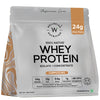 Whey Protein Isolate + Concentrate 24g | 1kg| 4B CFU Probiotics | Cappuccino
₹6,174 – ₹12,348
Whey Protein Isolate + Concentrate 24g | 1kg| 4B CFU Probiotics | Cappuccino
₹6,174 – ₹12,348
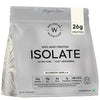 Whey Protein Isolate 26g | 1kg | 4B CFU Probiotics | Bourbon Vanilla
₹7,599 – ₹15,199
Whey Protein Isolate 26g | 1kg | 4B CFU Probiotics | Bourbon Vanilla
₹7,599 – ₹15,199
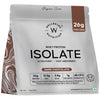 Whey Protein Isolate 26g | 1kg | 4B CFU Probiotics | Dark Chocolate
₹7,599 – ₹14,724
Whey Protein Isolate 26g | 1kg | 4B CFU Probiotics | Dark Chocolate
₹7,599 – ₹14,724
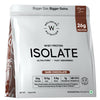 Whey Protein Isolate 26g | 2kg | 4B CFU Probiotics | Dark Chocolate
₹14,724 – ₹29,448
Whey Protein Isolate 26g | 2kg | 4B CFU Probiotics | Dark Chocolate
₹14,724 – ₹29,448
 Whey Protein Isolate 31g | 1kg | 4B CFU Probiotics | Unflavoured
₹7,599 – ₹14,724
Whey Protein Isolate 31g | 1kg | 4B CFU Probiotics | Unflavoured
₹7,599 – ₹14,724
 Whey Protein Isolate 31g | 2kg | 4B CFU Probiotics | Unflavoured
₹14,724 – ₹29,448
Whey Protein Isolate 31g | 2kg | 4B CFU Probiotics | Unflavoured
₹14,724 – ₹29,448