Breakfast is often the easiest meal to repeat and the hardest one to get right. Toast, cereal, quick smoothies, they save time but rarely deliver enough protein to support energy, muscle health, or appetite control through the day.
That gap is why many people turn to whey protein powder in the morning. Not because it is trendy, but because it fits naturally into simple breakfasts when chosen and used correctly.
The Real Issue with Most Protein Powders

For many, the problem is not protein itself. It is how the protein is processed.
A common experience with whey is heaviness, bloating, or digestive discomfort within an hour of consumption. This usually has little to do with lactose intolerance and more to do with poor filtration, excessive additives, or aggressive processing methods that compromise protein structure.
When whey is denatured or loaded with artificial sweeteners, it becomes harder for the gut to break down efficiently. Instead of feeling nourished, the body resists it.
This is also why people abandon protein breakfasts altogether, assuming their digestion cannot handle them.
When Whey Works, It Works Quietly
High-quality whey protein powder blends into breakfast without drawing attention to itself. It dissolves smoothly, digests easily, and supports fullness without discomfort.
From a nutritional perspective, whey offers several advantages:
-
A complete amino acid profile
-
High leucine content to support muscle repair
-
Fast absorption without digestive load when properly processed
These characteristics explain many whey protein powder benefits, especially when used first thing in the day.
Delicious Breakfast Options You Can Try
1. Overnight Oats

Overnight oats are often filling but not always comfortable. Adding whey the wrong way can make them dense or chalky.
The key is whisking whey protein into the liquid before adding oats. This allows the protein to hydrate properly and prevents clumping.
Using a clean, well-filtered whey keeps the texture smooth and digestion easy. The result is a breakfast that sustains energy without sitting heavily in the stomach.
2. Smoothies

A good smoothie should feel refreshing, not exhausting.
When smoothies rely only on fruit, they spike blood sugar. When paired with poorly processed whey, they trigger bloating. A balanced smoothie includes:
-
One fruit for micronutrients
-
A fat source like seeds or nuts
-
A scoop of whey protein powder that digests cleanly
This balance supports satiety and makes smoothies useful for those using whey protein powder for weight loss, without turning breakfast into a rigid routine.
3. Protein Pancakes

Protein pancakes often fail because the protein used absorbs too much moisture.
Using whey protein isolate powder works better here due to its purity and lower fat content. It integrates into batters without changing texture or taste significantly.
Paired with oats or eggs, it creates a breakfast that feels indulgent yet functions like a high-protein meal.
4. Yogurt Bowls

Greek yogurt already offers protein, but adding whey increases its nutritional density.
The difference lies in quality. Clean whey blends seamlessly into yogurt without creating a thick or gummy texture. This matters for digestion and consistency.
The combination delivers both fast and slow-digesting proteins, supporting muscle recovery and sustained fullness.
Digestion & Results Comes Down to Quality, Not Quantity
The biggest difference between a protein breakfast that works and one that does not is how the whey is made.
Clean ingredients, gentle processing, and better filtration reduce bloating and improve absorption. This is why some whey protein ranges, including isolate, concentrate, and blended formats designed to be light on the gut, feel noticeably easier to consume daily.
The Wellbeing Nutrition whey protein range, for instance, focuses on clean formulations across isolate, concentrate, and isolate plus concentrate options. The emphasis is on quality and digestibility rather than aggressive flavoring or fillers, which is why many experience less bloating compared to conventional whey powders.

This mention is not about preference, but about understanding why some proteins feel different in the body.
Making Whey a Natural Part of Breakfast
Whey works best when it supports food, not replaces it.
-
Add it to meals you already enjoy
-
Choose the format that suits your digestion
-
Keep ingredients minimal
-
Let consistency do the work
When whey is clean and well-tolerated, breakfast becomes easier, not more complicated.
Closing Thought
A good breakfast should leave you feeling light, focused, and nourished. When whey protein powder is chosen carefully and used thoughtfully, it fits into mornings without effort or discomfort.
The difference is not in how much protein you consume, but how well your body accepts it. And that quiet comfort is often the true marker of quality.
FAQs
1. Can whey protein powder be used daily at breakfast?
Yes. When used in moderate amounts and paired with whole foods, whey protein powder can be consumed daily. It helps increase overall protein intake without requiring major changes to meal structure, especially in breakfasts that are typically low in protein.
2. Is whey protein powder suitable for people with sensitive digestion?
It depends on the quality and type of whey. Poorly processed whey or formulas with artificial sweeteners can cause bloating or discomfort. Cleaner, well-filtered whey proteins, especially isolates, are generally easier to digest.
3. What is the difference between whey protein isolate powder and concentrate?
Whey protein isolate powder is more refined, with lower lactose, fat, and carbohydrate content. This makes it lighter and faster to digest. Whey protein concentrate contains more natural milk components and slightly more calories, offering a slower digestion profile.
4. Does whey protein powder help with weight loss?
Whey protein powder for weight loss works indirectly. Protein increases satiety, helps control appetite, and supports lean muscle retention during calorie restriction. These effects make weight management easier to sustain over time.
5. Why do some whey protein powders cause bloating?
Bloating is often linked to poor filtration, denatured proteins, lactose residue, or artificial additives. The issue is usually formulation quality rather than whey itself.
6. What makes Wellbeing Nutrition whey protein easier on the gut?
The Wellbeing Nutrition whey protein range focuses on clean ingredient profiles and careful processing. By avoiding unnecessary fillers and artificial sweeteners, and emphasizing better filtration, the proteins are designed to digest more comfortably for regular use.
7. Is Wellbeing Nutrition whey suitable for people who experience heaviness with protein powders?
Many individuals who experience heaviness with conventional whey report better tolerance with cleaner formulations. Wellbeing Nutrition’s isolate, concentrate, and isolate plus concentrate options are formulated to feel lighter on the gut when consumed consistently.
8. Does the type of whey affect how it feels in the stomach?
Yes. Whey protein isolate powder is typically easier to digest due to lower lactose and fat content. Blended formulas that combine isolate and concentrate can offer a balance between digestion speed and sustained fullness.
9. Can whey protein powder replace a full breakfast?
Whey protein powder works best as an addition rather than a replacement. Combining it with carbohydrates, fats, and micronutrient-rich foods creates a more balanced and satisfying breakfast.
10. How can I reduce bloating when adding whey protein to breakfast?
Start with smaller servings, mix thoroughly to avoid clumping, pair whey with whole foods, and choose a clean, well-processed protein. Hydration also plays an important role in protein digestion.

Recommended Products
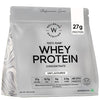 Whey Protein Concentrate 27g | 1kg | 4B CFU Probiotics | Unflavoured
₹3,999 – ₹7,998
Whey Protein Concentrate 27g | 1kg | 4B CFU Probiotics | Unflavoured
₹3,999 – ₹7,998
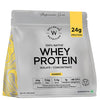 Whey Protein Isolate + Concentrate 24g | 1kg | 4B CFU Probiotics | Mango Flavoured
₹4,399 – ₹8,798
Whey Protein Isolate + Concentrate 24g | 1kg | 4B CFU Probiotics | Mango Flavoured
₹4,399 – ₹8,798
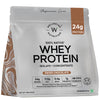 Whey Protein Isolate + Concentrate 24g | 1kg | 4B CFU Probiotics | Swiss Chocolate
₹5,199 – ₹10,398
Whey Protein Isolate + Concentrate 24g | 1kg | 4B CFU Probiotics | Swiss Chocolate
₹5,199 – ₹10,398
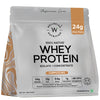 Whey Protein Isolate + Concentrate 24g | 1kg| 4B CFU Probiotics | Cappuccino
₹5,199 – ₹10,398
Whey Protein Isolate + Concentrate 24g | 1kg| 4B CFU Probiotics | Cappuccino
₹5,199 – ₹10,398
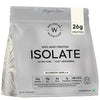 Whey Protein Isolate 26g | 1kg | 4B CFU Probiotics | Bourbon Vanilla
₹6,399 – ₹12,799
Whey Protein Isolate 26g | 1kg | 4B CFU Probiotics | Bourbon Vanilla
₹6,399 – ₹12,799
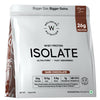 Whey Protein Isolate 26g | 2kg | 4B CFU Probiotics | Dark Chocolate
₹12,399 – ₹24,798
Whey Protein Isolate 26g | 2kg | 4B CFU Probiotics | Dark Chocolate
₹12,399 – ₹24,798
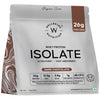 Whey Protein Isolate 26g | 1kg | 4B CFU Probiotics | Dark Chocolate
₹6,399 – ₹12,399
Whey Protein Isolate 26g | 1kg | 4B CFU Probiotics | Dark Chocolate
₹6,399 – ₹12,399
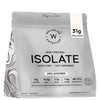 Whey Protein Isolate 31g | 1kg | 4B CFU Probiotics | Unflavoured
₹7,599 – ₹12,399
Whey Protein Isolate 31g | 1kg | 4B CFU Probiotics | Unflavoured
₹7,599 – ₹12,399