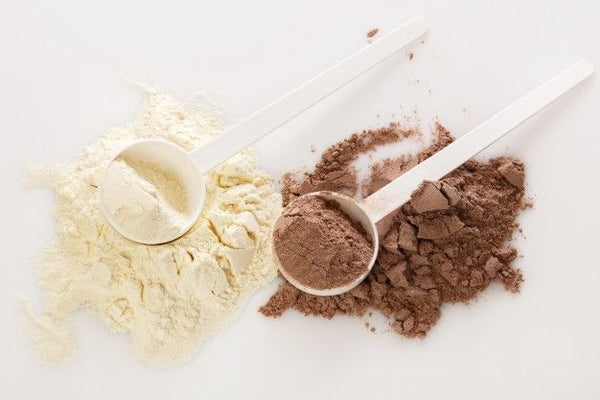
Protein is no longer just a “gym thing.” It has become essential for everyday health, from muscle strength and metabolism to skin glow, hormonal balance, and healthy aging. Yet with so many protein options flooding the market, one question keeps coming up: Which protein truly delivers results?
Science has a clear answer. Whey protein powder continues to set the gold standard for daily protein because of its unmatched absorption, amino acid profile, and proven clinical benefits.
Why Whey Protein Sets the Benchmark
Whey protein isn’t just another supplement, it’s the most scientifically studied and clinically proven form of dietary protein available today. Its superior absorption, complete amino acid profile, and measurable health outcomes are what truly set it apart.
Faster Muscle Protein Synthesis

Whey protein is a fast-absorbing, complete protein that rapidly delivers amino acids into the bloodstream. Its high leucine content activates the mTOR pathway, the key signal that turns on muscle protein synthesis. This allows muscles to repair and rebuild efficiently after exercise or daily physical stress.
Whey protein was shown to increase muscle protein synthesis by 68% (NIH).
Lean Muscle Growth

Whey protein provides all essential amino acids required for muscle tissue formation. Because it is absorbed quickly, these amino acids reach muscle fibres at the most critical time for growth. Consistent intake supports steady gains in lean muscle mass.
Whey protein supplementation led to a 7.4% increase in lean body mass compared to baseline (NIH).
Strength & Physical Performance

Whey protein improves muscle recovery, allowing muscles to contract more efficiently during training. It supports faster repair between workouts, enabling greater training consistency. Over time, this results in measurable improvements in strength and performance.
Participants consuming whey protein experienced a 93.8% increase in squat strength when combined with resistance training (NIH).
Fat Loss & Body Composition

Whey protein increases satiety hormones, helping reduce overall calorie intake. It has a high thermic effect, meaning your body burns more calories digesting it. By preserving lean muscle mass, whey supports long-term fat loss.
Whey protein intake resulted in a 10.7% reduction in fat mass compared to baseline values (NIH).
Preventing Age-Related Muscle Loss

With age, the body becomes less efficient at using dietary protein. Whey protein’s rapid digestibility ensures older adults absorb amino acids effectively. This helps counter muscle loss and improves functional strength.
After supplementation, 68% of sarcopenic individuals became non-sarcopenic, showing significant improvements in muscle strength (NIH).
Better Blood Sugar Control

Native whey protein slows gastric emptying, reducing the speed at which glucose enters the bloodstream. It enhances insulin secretion after meals, improving glucose uptake. This helps prevent sharp post-meal blood sugar spikes.
Native whey protein isolate showed a 22% reduction in 2-hour post-prandial glucose (NIH).
Appetite Control & Satiety

Whey protein stimulates GLP-1, a hormone responsible for feelings of fullness. This reduces hunger and late-night cravings. Slower digestion also helps maintain satiety for longer periods.
Native whey protein increased GLP-1 levels by 66%, supporting appetite regulation (NIH).
Improved Insulin Response

Whey protein enhances early-phase insulin release after meals. This allows glucose to move efficiently into muscle cells instead of remaining in the bloodstream. Improved insulin response supports long-term metabolic health.
Studies showed a 61% increase in insulin release within the first 60 minutes and a 30% increase over 3 hours (NIH).
Rapid Amino Acid Availability

Whey protein is categorized as a fast protein due to its quick digestion rate. Amino acids appear in the bloodstream faster than slower proteins like casein. This accelerates muscle recovery and repair.
Whey protein resulted in a 183% increase in total leucine appearance and 2× faster leucine absorption compared to casein (NIH).
Higher Leucine & BCAA Levels

Leucine and BCAAs are critical for muscle repair and growth. Native whey delivers higher concentrations of these amino acids compared to milk or standard whey. This amplifies anabolic signaling in muscle tissue.
Native whey showed a 55% increase in leucine, 29% increase in BCAAs, and 27% increase in essential amino acids compared to milk (NIH).
Whey protein doesn’t just build muscle, it actively supports blood sugar balance, appetite control, metabolic health, and longevity.
Types of Whey Protein
Whey protein comes in different forms, each designed to suit specific fitness and health goals. Understanding the differences can help you choose the best option for your needs.
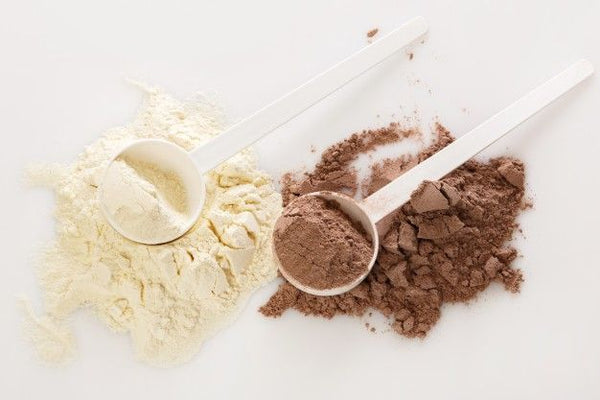
Whey Protein Concentrate
Contains 70–80% protein with small amounts of lactose and fats. It’s cost-effective and ideal for general fitness or for people who want to gain muscle and weight.
Whey Protein Isolate
Highly purified with 90%+ protein content and very low lactose. It absorbs faster and is suitable for weight loss, lean muscle development, and sensitive digestion.
Whey Protein Blend
A combination of whey concentrate, isolate, blends aim to balance fast and slow digestion. This provides both immediate amino acids for muscle recovery and sustained release for longer-term protein support, making it a versatile option for daily nutrition.
Practical Ways to Include Whey Protein
Incorporating whey protein into your daily routine doesn’t have to be complicated. With a few simple strategies, you can boost your protein intake while keeping meals tasty and convenient.
• Add to your morning smoothie for sustained energy
• Mix into oats or chia pudding for a protein-rich breakfast
• Take post-workout for faster recovery
• Use as an evening snack to control cravings
• Blend into protein pancakes or muffins
Most people experience whey protein powder side effects like bloating or gas due to poor digestion. Wellbeing Nutrition Whey Protein solves this by combining protein with gut-friendly enzymes and probiotics, so your body actually absorbs what you consume. It also offers high absorption and a clean formula without unnecessary fillers, making it gentle for sensitive stomachs.

The Bottom Line
Whey protein powder earns its benchmark status through science, not trends. Its superior amino acid profile, rapid absorption, and clinically proven results make it the most effective daily protein source available.
Whether your goal is fat loss, muscle toning, better metabolism, or healthy aging, whey delivers. And when you choose Wellbeing Nutrition Whey, you’re choosing:
✔ Better digestion
✔ Clinical performance
✔ Clean nutrition
Because real health starts with real absorption.
FAQs
1. What is whey protein powder and why is it considered the best for daily protein?
Whey protein powder is a fast-digesting, complete protein derived from milk. It’s considered the benchmark because of its high leucine content, rapid absorption, and clinically proven ability to support muscle growth, recovery, and overall metabolic health.
2. What are the main benefits of whey protein powder?
Whey protein powder benefits include faster muscle protein synthesis, lean muscle growth, improved strength, fat loss support, appetite regulation, blood sugar control, and enhanced amino acid availability for recovery.
3. Are there any whey protein powder side effects?
Most people tolerate whey well, but side effects like bloating or gas can occur due to lactose or poor digestion. Choosing whey with added digestive enzymes and probiotics, like Wellbeing Nutrition Whey Protein, can help minimize these issues.
4. What is the difference between whey protein concentrate, isolate, and blend?
Whey protein concentrate contains 70–80% protein and small amounts of lactose and fat. Whey protein isolate is 90%+ protein, low in lactose, and absorbs faster. Whey protein blends combine different forms to offer both immediate and sustained amino acid release.
5. Can whey protein powder help with weight loss?
Yes, whey protein supports fat loss by increasing satiety hormones, preserving lean muscle, and boosting metabolism. Regular intake, combined with a balanced diet and exercise, can help reduce fat mass effectively.
6. Is whey protein powder good for men and women?
Absolutely. Whey protein powder for men and whey protein powder for women supports muscle growth, recovery, and metabolic health. Dosage and timing may vary based on individual goals like muscle gain, weight loss, or maintaining strength.
7. How can I include whey protein in my daily routine?
Practical ways include adding it to smoothies, mixing with oats or chia pudding, consuming post-workout, blending into protein pancakes, or using it as an evening snack. Choosing a whey protein with digestive support can improve absorption and results.

Recommended Products
 Whey Protein Isolate + Concentrate 24g | 1kg | 4B CFU Probiotics | Swiss Chocolate
₹6,174 – ₹12,348
Whey Protein Isolate + Concentrate 24g | 1kg | 4B CFU Probiotics | Swiss Chocolate
₹6,174 – ₹12,348
 Whey Protein Isolate + Concentrate 24g | 1kg | 4B CFU Probiotics | Mango Flavoured
₹6,174 – ₹12,348
Whey Protein Isolate + Concentrate 24g | 1kg | 4B CFU Probiotics | Mango Flavoured
₹6,174 – ₹12,348
 Whey Protein Isolate + Concentrate 24g | 1kg| 4B CFU Probiotics | Cappuccino
₹6,174 – ₹12,348
Whey Protein Isolate + Concentrate 24g | 1kg| 4B CFU Probiotics | Cappuccino
₹6,174 – ₹12,348
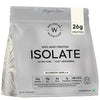 Whey Protein Isolate 26g | 1kg | 4B CFU Probiotics | Bourbon Vanilla
₹7,599 – ₹15,199
Whey Protein Isolate 26g | 1kg | 4B CFU Probiotics | Bourbon Vanilla
₹7,599 – ₹15,199
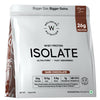 Whey Protein Isolate 26g | 2kg | 4B CFU Probiotics | Dark Chocolate
₹14,724 – ₹29,448
Whey Protein Isolate 26g | 2kg | 4B CFU Probiotics | Dark Chocolate
₹14,724 – ₹29,448
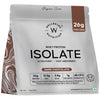 Whey Protein Isolate 26g | 1kg | 4B CFU Probiotics | Dark Chocolate
₹7,599 – ₹14,724
Whey Protein Isolate 26g | 1kg | 4B CFU Probiotics | Dark Chocolate
₹7,599 – ₹14,724
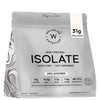 Whey Protein Isolate 31g | 1kg | 4B CFU Probiotics | Unflavoured
₹7,599 – ₹14,724
Whey Protein Isolate 31g | 1kg | 4B CFU Probiotics | Unflavoured
₹7,599 – ₹14,724
 Whey Protein Isolate 31g | 2kg | 4B CFU Probiotics | Unflavoured
₹14,724 – ₹29,448
Whey Protein Isolate 31g | 2kg | 4B CFU Probiotics | Unflavoured
₹14,724 – ₹29,448