When whey protein powder enters the conversation, most people picture two things almost instantly: smoothies and oats. They work, they are familiar, and they are everywhere. But whey was never meant to be limited to just cold blends or overnight jars.
Used thoughtfully, whey protein powder can slip into warm, savory, and even traditional breakfast formats without changing taste or texture, and without upsetting digestion. The key lies not just in creativity, but in choosing a whey that the body actually accepts.
Why Many People Struggle With Whey at Breakfast

For all its nutritional benefits, whey often carries a reputation for bloating or heaviness. In most cases, the issue is not whey itself but how it is processed.
Overly denatured proteins, artificial sweeteners, fillers, or aggressive processing can make whey harder to digest, especially first thing in the morning. Instead of feeling nourished, people feel uncomfortable and eventually give up on protein breakfasts altogether.
When whey is clean, well-filtered, and gently processed, it behaves very differently. It dissolves smoothly, digests easily, and supports fullness without drawing attention to itself. This is where many of the real whey protein powder benefits come from, not from quantity, but from quality.
With that foundation in place, whey becomes far more versatile than most realise.
1. Protein-Set Breakfast Custard

This is a warm, soothing alternative to grain-heavy breakfasts.
Milk or a dairy-free alternative is gently heated, and whey protein powder is whisked in slowly along with a hint of vanilla or cardamom. As the mixture warms, the protein sets into a soft custard-like texture.
What makes this work is temperature control and protein quality. Clean whey integrates smoothly without curdling, making this breakfast surprisingly light on the stomach. It suits those who want warmth and comfort without the heaviness that often follows traditional porridges.
2. Whey-Enhanced Besan Chilla

A familiar breakfast, quietly upgraded.
Adding whey protein powder to besan chilla batter increases protein content without altering flavour when done in moderation. Herbs, spices, and vegetables still lead the taste, while whey works silently in the background.
This option fits naturally into Indian breakfast routines and avoids the sweetness fatigue that comes with repeated protein shakes. It also pairs well with morning digestion, especially when whey is clean and free from unnecessary additives.
3. Soft Protein Egg Scramble

Eggs are already a protein staple. Whey simply enhances them when used correctly.
The trick is to whisk whey protein powder into beaten eggs before cooking, not after. Cooked on low heat, the eggs turn softer and fluffier, with higher protein density and no chalky texture.
This works particularly well for those focused on lean nutrition or using whey protein powder for weight loss, as it boosts satiety without adding volume or discomfort.
4. Whey-Fortified Millet or Rice Porridge

Not everyone thrives on oats. Millet or rice porridge offers a gentler base for many digestive systems.
Prepare the porridge as usual and allow it to cool slightly before stirring in whey protein powder. Adding whey at a lower temperature preserves texture and prevents clumping.
This combination delivers warmth, comfort, and protein in a format that feels familiar yet nutritionally complete.
5. Savory Breakfast Soup with Whey

This option surprises most people.
Light vegetable or lentil-based soups can be quietly enriched with whey protein powder stirred in just before serving. When the soup is warm, not boiling, clean whey dissolves seamlessly.
For those who struggle with solid food early in the day, this becomes an easy, nourishing start that supports hydration, digestion, and protein intake in one bowl.
Choosing the Right Whey for These Recipes
-
Whey protein isolate powder works best for warm or savory recipes due to its purity and light digestion.
-
Concentrate formats suit those who prefer slightly richer textures.
-
Blends offer balance for daily use.
Matching the format to your digestion makes these breakfasts feel effortless rather than forced.
Pro Tip: Digestion Changes Everything
The success of these breakfasts depends less on the recipe and more on the whey itself.
When protein is:
-
Cleanly sourced
-
Gently processed
-
Free from artificial sweeteners and fillers
the gut responds very differently. This is why some whey proteins feel heavy while others feel almost invisible after consumption.
The Wellbeing Nutrition whey protein range, which includes isolate, concentrate, and isolate plus concentrate options, is formulated with this exact sensitivity in mind. The focus is on clean ingredients and digestibility rather than overpowering flavours. As a result, many people experience less bloating and better tolerance compared to conventional whey powders.

This matters because whey only delivers benefits when it can be used consistently.
Final Thought
Whey protein powder does not need to be confined to shakers and jars. When quality is right, it adapts easily to how people actually eat.
Moving beyond oats and smoothies opens up a quieter, more sustainable way to use whey, one that supports digestion, nourishment, and routine without disruption. Often, the most effective nutrition is the kind you barely notice, except in how good you feel afterwards.
FAQs
1. Can whey protein powder be used in warm breakfast recipes?
Yes. Whey protein powder can be used in warm recipes when added at the right temperature. It should be mixed into foods that are warm, not boiling, to maintain smooth texture and easy digestion.
2. Why does whey protein sometimes cause bloating at breakfast?
Bloating is usually linked to poor processing, artificial sweeteners, or excessive additives rather than whey itself. Clean, well-filtered whey proteins are generally easier for the gut to break down, especially first thing in the morning.
3. Which type of whey works best for savory or cooked dishes?
Whey protein isolate powder works particularly well for savory or warm dishes due to its higher purity and lower fat and lactose content. It blends easily without altering flavour or texture.
4. Is whey protein powder suitable for daily breakfast use?
Yes. When paired with whole foods and used in appropriate quantities, whey protein powder can be included daily as part of a balanced breakfast routine.
5. Can whey protein powder support weight management?
Whey protein powder for weight loss supports appetite control and lean muscle maintenance. Its role is indirect, helping reduce unnecessary snacking and supporting satiety rather than promoting rapid fat loss.
6. Why does the quality of whey matter more than the quantity?
Higher-quality whey digests more comfortably and absorbs efficiently, making it easier to use consistently. Poor-quality whey may cause discomfort, which often leads people to stop using it altogether.
7. What makes some whey protein powders easier on the gut?
Gentle processing, better filtration, and clean ingredient lists reduce digestive stress. Whey proteins formulated with these principles tend to feel lighter and cause less bloating.
8. How is the Wellbeing Nutrition whey protein range different in terms of digestion?
The Wellbeing Nutrition whey protein range, including isolate, concentrate, and isolate plus concentrate formats, focuses on clean formulations without unnecessary fillers. This approach supports smoother digestion and better daily tolerance for many individuals.
9. Can whey protein be combined with traditional Indian breakfasts?
Yes. Whey protein powder integrates well into batters, porridges, and savory dishes when added thoughtfully. It enhances protein intake without changing familiar flavours.
10. How can I make whey protein easier to digest in the morning?
Start with smaller servings, mix thoroughly, avoid boiling temperatures, stay hydrated, and choose a clean, well-processed whey. These steps help the body adapt and improve overall comfort.

Recommended Products
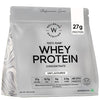 Whey Protein Concentrate 27g | 1kg | 4B CFU Probiotics | Unflavoured
₹3,999 – ₹7,998
Whey Protein Concentrate 27g | 1kg | 4B CFU Probiotics | Unflavoured
₹3,999 – ₹7,998
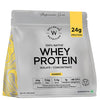 Whey Protein Isolate + Concentrate 24g | 1kg | 4B CFU Probiotics | Mango Flavoured
₹4,399 – ₹8,798
Whey Protein Isolate + Concentrate 24g | 1kg | 4B CFU Probiotics | Mango Flavoured
₹4,399 – ₹8,798
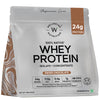 Whey Protein Isolate + Concentrate 24g | 1kg | 4B CFU Probiotics | Swiss Chocolate
₹5,199 – ₹10,398
Whey Protein Isolate + Concentrate 24g | 1kg | 4B CFU Probiotics | Swiss Chocolate
₹5,199 – ₹10,398
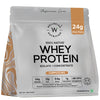 Whey Protein Isolate + Concentrate 24g | 1kg| 4B CFU Probiotics | Cappuccino
₹5,199 – ₹10,398
Whey Protein Isolate + Concentrate 24g | 1kg| 4B CFU Probiotics | Cappuccino
₹5,199 – ₹10,398
 Whey Protein Isolate 26g | 1kg | 4B CFU Probiotics | Bourbon Vanilla
₹6,399 – ₹12,799
Whey Protein Isolate 26g | 1kg | 4B CFU Probiotics | Bourbon Vanilla
₹6,399 – ₹12,799
 Whey Protein Isolate 26g | 1kg | 4B CFU Probiotics | Dark Chocolate
₹6,399 – ₹12,399
Whey Protein Isolate 26g | 1kg | 4B CFU Probiotics | Dark Chocolate
₹6,399 – ₹12,399
 Whey Protein Isolate 26g | 2kg | 4B CFU Probiotics | Dark Chocolate
₹12,399 – ₹24,798
Whey Protein Isolate 26g | 2kg | 4B CFU Probiotics | Dark Chocolate
₹12,399 – ₹24,798
 Whey Protein Isolate 31g | 1kg | 4B CFU Probiotics | Unflavoured
₹7,599 – ₹12,399
Whey Protein Isolate 31g | 1kg | 4B CFU Probiotics | Unflavoured
₹7,599 – ₹12,399
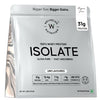 Whey Protein Isolate 31g | 2kg | 4B CFU Probiotics | Unflavoured
₹14,724 – ₹29,448
Whey Protein Isolate 31g | 2kg | 4B CFU Probiotics | Unflavoured
₹14,724 – ₹29,448