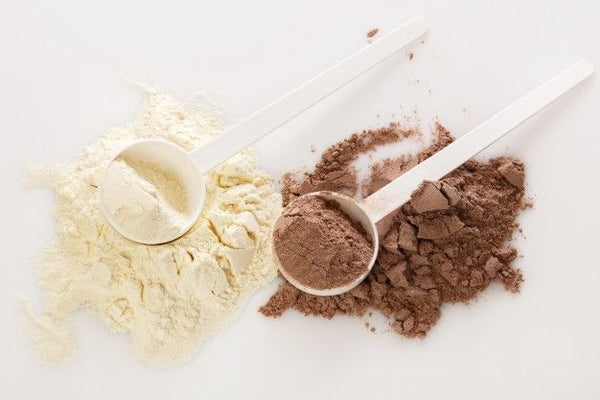
You’ve seen it everywhere. Gym bags carrying shaker bottles. Kitchen shelves lined with tubs of whey protein powder. Social feeds promising transformation in one scoop.
Somewhere along the way, whey became synonymous with muscle. But here’s the real question most people forget to ask: Can you actually build muscle with whey protein alone?
Let’s slow this down. Because muscle growth is less about shortcuts and more about biology. And once you understand how your body truly builds strength, whey starts to look less like a magic potion and more like a strategic ally.
Let’s begin at the cellular level.
Is Whey Protein Alone Enough?
Whey protein has earned its reputation as the most valuable player of fitness nutrition. It’s fast-absorbing, rich in essential amino acids, and loaded with leucine, the spark plug that kickstarts muscle protein synthesis.
So naturally, many assume that simply adding whey protein for muscle gain to their daily routine equals visible biceps and stronger legs. But here’s the truth most labels don’t tell you:
Muscle doesn’t grow from protein alone. It grows from stimulus + recovery + nutrition.
Think of whey protein for muscle building as the bricks. Without resistance training, there’s no construction site. Without rest, there’s no rebuilding phase. A protein supplement can support the process, but it can’t replace movement.
Curious what actually flips the muscle-growth switch? Let’s zoom in.
What Really Builds Muscle
Muscle building starts with micro-tears created during strength training. Your body responds by repairing those fibers, making them thicker and stronger. This process, called muscle protein synthesis, depends on three pillars:
1. Progressive resistance
When you gradually increase weights or intensity, your muscles experience controlled micro-stress that signals the body to adapt and grow stronger. This repeated challenge activates muscle protein synthesis, teaching your fibres that it’s time to rebuild bigger and better (NIH).
2. Adequate recovery
Muscle growth doesn’t happen during workouts; it happens while you rest. Deep sleep and recovery time allow your nervous system to reset and your muscle fibres to repair, transforming microscopic damage into measurable strength.
3. High-quality protein intake
After training creates the growth signal, protein supplies the amino acids needed to reconstruct muscle tissue at a cellular level. Fast-absorbing, complete proteins like whey ensure those building blocks reach your muscles quickly, accelerating repair and supporting lean gains.
But remember: whey doesn’t create the signal to grow, your workout does. Whey simply amplifies the response. And that distinction changes everything.
So how much protein does your body actually need to grow?
How Much Whey Protein Do You Need for Muscle Gain?
For most active adults, muscle growth thrives at around 1.6 to 2 grams of protein per kilogram of body weight per day. That includes food and supplements.
Here’s where protein supplements for muscle building become incredibly practical:
-
They help bridge nutritional gaps.
-
They’re convenient post-workout.
-
They deliver precise protein without excess calories.
But more isn’t always better. Excess protein without training gets oxidized for energy or stored, not magically converted into muscle. Timing matters too.
A serving of whey protein powder within 30 to 60 minutes post-training can maximize muscle protein synthesis. Pair that with balanced meals across the day, and your body stays in a growth-friendly state.
Still, protein is just one piece of the puzzle.
Whey Protein Isolate vs Concentrate: Does It Matter?
Both forms come from milk. Both support whey protein for muscle gain. But they’re processed differently.
-
Higher protein percentage
-
Lower lactose and fat
-
Faster absorption
-
Ideal for those seeking lean gains or sensitive digestion
-
Contains small amounts of fats and carbs
-
Slightly slower digestion
-
Great for overall strength-building routines
Neither is “better” universally. The right choice depends on your training goals, digestion, and lifestyle. What matters most is consistency, clean sourcing, and amino acid profile. Which brings us to an often-overlooked detail: formulation.
Premium blends that combine clean whey with digestive enzymes and probiotics don’t just deliver protein; they support your gut ecosystem. By improving protein breakdown, enhancing amino acid absorption, and strengthening gut barrier function, they help your digestive system actually receive the nutrition, allowing your muscles to recover faster while your gut stays calm, balanced, and resilient.
But even the best whey needs support from your daily habits.
Can You Build Muscle with Whey Protein Without Working Out?
Let’s answer this plainly: No.
You cannot build muscle with whey protein without resistance training. Without mechanical stress, your muscles have no reason to grow. Whey may help preserve lean mass or support general protein intake, but it won’t sculpt muscle on its own.
Muscle building is a conversation between your muscles and your nervous system. Training starts the dialogue. Nutrition completes it. Whey is your translator, not the speaker.
So, if your goal is real transformation, you need:
-
Strength training 3 to 5 times a week
-
Adequate sleep (7 to 9 hours)
-
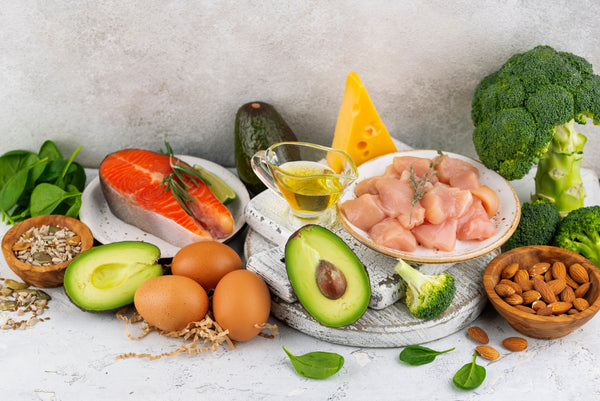
Balanced meals
-
Strategic use of protein supplements for muscle building
That synergy is where results live.
The Real Reason to Muscle Building Success
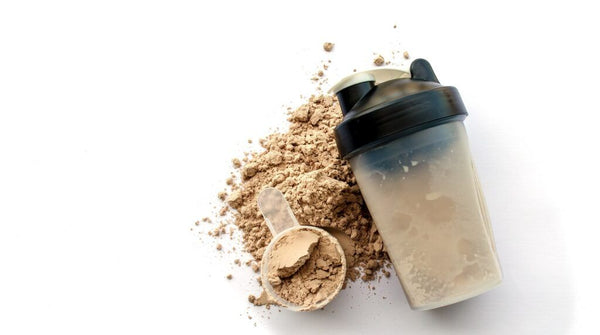
Muscle isn’t built in the shaker bottle.
It’s built in the gym, the kitchen, and during deep sleep.
Whey protein for muscle building works best when paired with:
-
Progressive overload: Gradually increasing training intensity forces your muscles to adapt at a cellular level, triggering repeated cycles of breakdown and rebuild that lead to real strength gains.
-
Smart recovery: Quality sleep and rest days give your body the biochemical space it needs to repair muscle fibres, rebalance hormones, and come back stronger.
-
Consistent nutrition: Daily intake of balanced meals and high-quality protein keeps amino acids circulating in your bloodstream, supporting continuous muscle repair and growth.
-
Patience: Muscle is built through weeks of microscopic progress, where consistency compounds quietly before results ever show up in the mirror.
When used intentionally, whey protein for muscle gain becomes a powerful ally. It supports repair, accelerates recovery, and helps maintain a positive protein balance.
But it’s not a shortcut.
It’s a support system.
Final Takeaway
So, can you build muscle with whey protein alone? No.
But can whey dramatically improve how efficiently your body recovers, repairs, and grows when paired with training? Absolutely.
Think of whey as nutritional precision. It sharpens your results, supports consistency, and gives your muscles exactly what they need, when they need it.
Muscle isn’t built in the shaker bottle. It’s built in your workouts, your sleep, your meals, and your commitment. Whey just makes the journey smoother. And when you respect that process, your body responds.
FAQs
1. Can you build muscle with whey protein alone?
No, you can’t build muscle with whey protein alone because muscle growth requires resistance training to trigger muscle protein synthesis. Whey supports recovery and repair, but without workouts, it cannot stimulate new muscle formation.
2. How does whey protein help with muscle gain?
Whey protein for muscle gain works by rapidly delivering essential amino acids, especially leucine, to trained muscles, accelerating repair and rebuilding. This makes it a powerful nutritional ally when paired with consistent strength training.
3. How much whey protein should I take for muscle building?
For most active adults, total daily protein intake should be around 1.6–2 grams per kilogram of body weight, including food and whey protein powder. A post-workout serving helps maximize muscle protein synthesis during your body’s prime recovery window.
4. Is whey protein isolate better than whey protein concentrate for muscle building?
Both whey protein isolate and whey protein concentrate support muscle growth, but isolate offers higher protein content and faster absorption, while concentrate provides added nutrients with slightly slower digestion. The best choice depends on your goals, digestion, and calorie needs.
5. Can beginners use whey protein for muscle building?
Yes, beginners can safely use protein supplements for muscle building to meet daily protein requirements and support recovery. When combined with progressive resistance training, whey helps establish a strong foundation for lean muscle development.
6. When is the best time to take whey protein powder?
Consuming whey protein powder within 30–60 minutes after workouts supports faster muscle repair, while spreading protein intake throughout the day keeps your body in a growth-friendly state.
7. Do protein supplements replace real food for muscle gain?
No, a protein supplement complements whole foods but doesn’t replace them. Sustainable muscle growth depends on balanced meals, smart recovery, training consistency, and strategic whey intake.

Recommended Products
 Whey Protein Concentrate 27g | 1kg | 4B CFU Probiotics | Unflavoured
₹4,749 – ₹9,498
Whey Protein Concentrate 27g | 1kg | 4B CFU Probiotics | Unflavoured
₹4,749 – ₹9,498
 Whey Protein Isolate + Concentrate 24g | 1kg | 4B CFU Probiotics | Mango Flavoured
₹6,174 – ₹12,348
Whey Protein Isolate + Concentrate 24g | 1kg | 4B CFU Probiotics | Mango Flavoured
₹6,174 – ₹12,348
 Whey Protein Isolate + Concentrate 24g | 1kg | 4B CFU Probiotics | Swiss Chocolate
₹6,174 – ₹12,348
Whey Protein Isolate + Concentrate 24g | 1kg | 4B CFU Probiotics | Swiss Chocolate
₹6,174 – ₹12,348
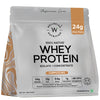 Whey Protein Isolate + Concentrate 24g | 1kg| 4B CFU Probiotics | Cappuccino
₹6,174 – ₹12,348
Whey Protein Isolate + Concentrate 24g | 1kg| 4B CFU Probiotics | Cappuccino
₹6,174 – ₹12,348
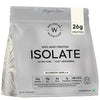 Whey Protein Isolate 26g | 1kg | 4B CFU Probiotics | Bourbon Vanilla
₹7,599 – ₹15,199
Whey Protein Isolate 26g | 1kg | 4B CFU Probiotics | Bourbon Vanilla
₹7,599 – ₹15,199
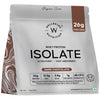 Whey Protein Isolate 26g | 1kg | 4B CFU Probiotics | Dark Chocolate
₹7,599 – ₹14,724
Whey Protein Isolate 26g | 1kg | 4B CFU Probiotics | Dark Chocolate
₹7,599 – ₹14,724
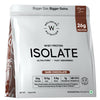 Whey Protein Isolate 26g | 2kg | 4B CFU Probiotics | Dark Chocolate
₹14,724 – ₹29,448
Whey Protein Isolate 26g | 2kg | 4B CFU Probiotics | Dark Chocolate
₹14,724 – ₹29,448
 Whey Protein Isolate 31g | 1kg | 4B CFU Probiotics | Unflavoured
₹7,599 – ₹14,724
Whey Protein Isolate 31g | 1kg | 4B CFU Probiotics | Unflavoured
₹7,599 – ₹14,724
 Whey Protein Isolate 31g | 2kg | 4B CFU Probiotics | Unflavoured
₹14,724 – ₹29,448
Whey Protein Isolate 31g | 2kg | 4B CFU Probiotics | Unflavoured
₹14,724 – ₹29,448