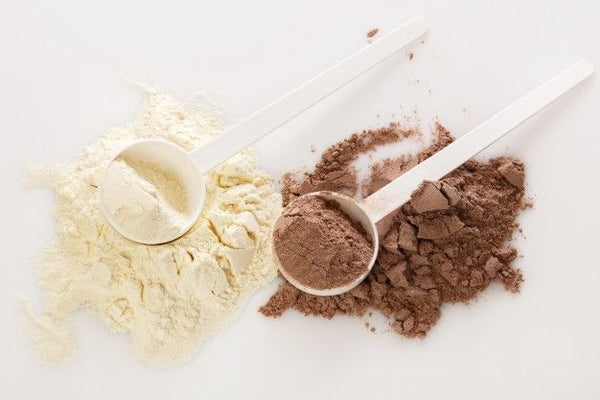
Whey protein isn’t just for gym enthusiasts or intense workout sessions. Even on rest days, during periods of low activity, or while recovering from illness, it can play a meaningful role in supporting your health. Understanding what whey protein does in the body helps separate fact from myth and shows why it’s not solely a “muscle-building” supplement.
What Is Whey Protein & Why Does It Matter?
Whey protein is a complete, fast-digesting, and highly bioavailable protein. It provides all nine essential amino acids, the building blocks that your body cannot make on its own.
Functions of Whey Protein in the Body:
-
Tissue repair: Helps repair daily wear and tear (Cambridge University)
-
Muscle preservation: Supports lean muscle maintenance even without workouts (BioMed central)
-
Hormone and enzyme support: Plays a role in regulating body processes (NIH)
-
Immune support: Contains immunoglobulins that enhance immunity (NIH)
-
Skin, hair, and nail health: Provides proteins like collagen and keratin for stronger, healthier tissues (NIH)
In essence, whey protein is a nutrient-dense protein source that benefits your overall health, not just your biceps.
Consequences of Protein Deficiency
Even if severe deficiency is uncommon, low or borderline protein intake affects many, including busy professionals, older adults, and those following restrictive diets.
-
Muscle loss & weakness: Body breaks down its own tissues for fuel (UCLA Health).
-
Swelling (edema): Low protein lowers albumin (a key blood protein which keeps fluid inside blood vessels). (Medscape).
-
Fragile hair, nails, skin issues: Proteins like keratin and collagen weaken, leading to breakage and dullness (Allure).
-
Weakened immunity: Fewer antibodies and slower wound healing (Healthline).
-
Fatty liver (in extreme cases): Impaired production of lipoproteins prevents fat transport, leading to fat accumulation in the liver. (Gastroenterology)
👉 Even without workouts, meeting your daily protein needs is essential for everyday health.
Why Protein Matters on Rest Days
Many people believe protein is only necessary after workouts, but it plays a continuous role in the body:
-
Ongoing tissue repair: Your body constantly breaks down and rebuilds tissues, even while sitting at a desk (NIH)
-
Recovery support: Muscles continue repairing on off-days (NIH)
-
Immune and healing support: Especially important during illness or injury (NIH)
-
Daily maintenance of skin, hair, and nails: Protein strengthens these tissues daily, not just on training days (MDPI)
👉 Think of protein as daily maintenance fuel, not just a workout booster.
Is Whey Protein Safe Without Workouts?
Here’s what the science says:
✅ Generally Safe
-
Moderate whey intake is safe for healthy adults, regardless of activity levels (NIH).
-
Helps bridge protein gaps during recovery, illness, or dietary insufficiency (NIH).
-
Women’s myths busted: Whey does not cause unnatural muscle gain or hormonal imbalance; it simply fulfills protein needs (NIH).
⚠️ Watch Outs
-
Kidney/Liver myths: Research shows no harm in healthy individuals. Risks mainly apply if you already have kidney or liver disease (NIH).
-
Overuse issues: Very high doses without activity can add unnecessary calories, stress gut health, and in some, worsen acne (NIH)
-
Digestive discomfort: Gas, bloating, diarrhea may happen if lactose intolerant. Whey isolate or hydrolysate can help (Medical News Today).
-
Contaminants: Some powders contain heavy metals or added sugars. Stick to third-party tested brands (NIH).
Choosing The Right One For You
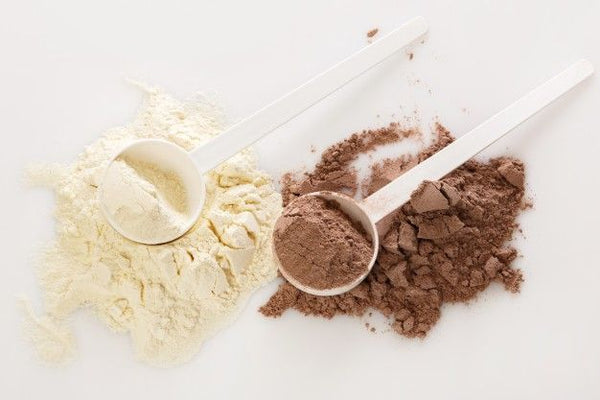
The Right Type
-
Whey concentrate → economical, but higher in lactose.
-
Whey isolate → higher protein percentage, low lactose, easier on sensitive stomach.
-
Whey isolate + concentrate → perfect balance of protein and carbohydrates.
-
Hydrolysate → pre-digested peptides, fastest absorption, premium option.
Check the Label
-
Look for NSF Certified, Clean Label Certificate, Informed Choice, or FSSAI approval.
-
Fewer additives, sugars, and artificial sweeteners = better.
Stick to the Effective Dose
-
20–30 g per serving is enough for most adults.
-
Use whey to fill protein gaps, not as your main food.
Additional Tips:
-
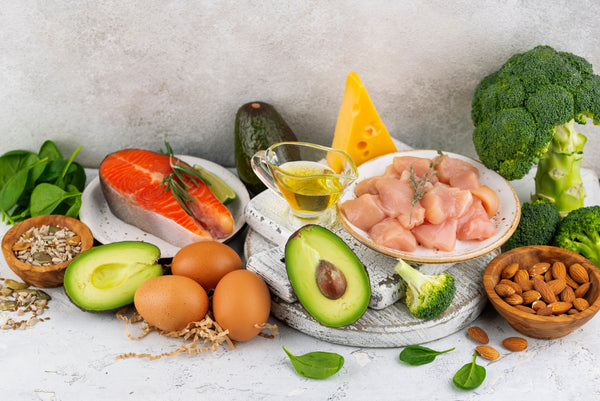
Combine whey with lentils, eggs, chicken, paneer, tofu, or nuts for fiber, vitamins, and healthy fats.
-
Protein metabolism increases water needs, so keep hydration in check.
Conclusion
Can you take whey protein without working out? Absolutely, when done sensibly. It supports muscles, immunity, recovery, and even skin and hair health. Risks primarily arise from overuse, low-quality products, or pre-existing conditions.
And here’s the myth-buster: whey is not a “male-only” supplement. Women can use it safely without fear of bulking up, it simply ensures daily protein needs are met.
Bottom line: Don’t avoid whey on rest days. Focus on portion, product quality, and balance with real food to make it a valuable part of your daily nutrition.

Recommended Products
 Whey Protein Concentrate 27g | 1kg | 4B CFU Probiotics | Unflavoured
₹3,999 – ₹7,998
Whey Protein Concentrate 27g | 1kg | 4B CFU Probiotics | Unflavoured
₹3,999 – ₹7,998
 Whey Protein Isolate + Concentrate 24g | 1kg | 4B CFU Probiotics | Mango Flavoured
₹4,399 – ₹8,798
Whey Protein Isolate + Concentrate 24g | 1kg | 4B CFU Probiotics | Mango Flavoured
₹4,399 – ₹8,798
 Whey Protein Isolate + Concentrate 24g | 1kg | 4B CFU Probiotics | Swiss Chocolate
₹5,199 – ₹10,398
Whey Protein Isolate + Concentrate 24g | 1kg | 4B CFU Probiotics | Swiss Chocolate
₹5,199 – ₹10,398
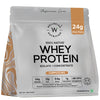 Whey Protein Isolate + Concentrate 24g | 1kg| 4B CFU Probiotics | Cappuccino
₹5,199 – ₹10,398
Whey Protein Isolate + Concentrate 24g | 1kg| 4B CFU Probiotics | Cappuccino
₹5,199 – ₹10,398
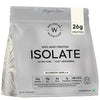 Whey Protein Isolate 26g | 1kg | 4B CFU Probiotics | Bourbon Vanilla
₹6,399 – ₹12,799
Whey Protein Isolate 26g | 1kg | 4B CFU Probiotics | Bourbon Vanilla
₹6,399 – ₹12,799
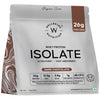 Whey Protein Isolate 26g | 1kg | 4B CFU Probiotics | Dark Chocolate
₹6,399 – ₹12,399
Whey Protein Isolate 26g | 1kg | 4B CFU Probiotics | Dark Chocolate
₹6,399 – ₹12,399
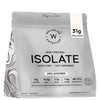 Whey Protein Isolate 31g | 1kg | 4B CFU Probiotics | Unflavoured
₹7,599 – ₹12,399
Whey Protein Isolate 31g | 1kg | 4B CFU Probiotics | Unflavoured
₹7,599 – ₹12,399