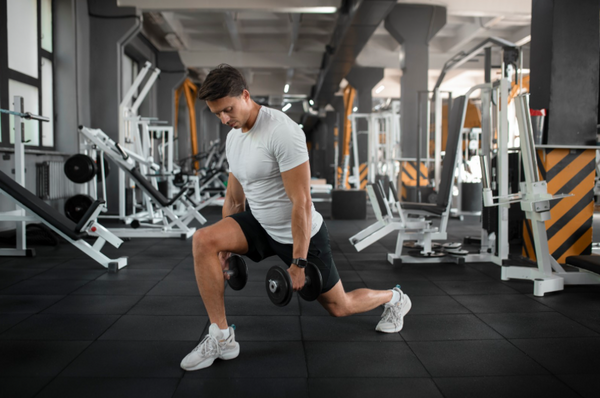
You train for weeks, eat better and feel stronger. Then you miss a few workouts, protein slips, sleep shortens and suddenly your arms feel softer, your energy dips, your posture changes. It feels unfair. That’s because muscle follows biology, not motivation.
Understanding how long it takes to build muscle versus how quickly losing muscle begins can completely change how you approach fitness, nutrition, and everyday habits.
Let’s decode what’s really happening inside your body.
Muscle Is Metabolically Expensive
Muscle tissue isn’t passive. It’s alive with metabolic activity. Every fibre requires continuous fuel, oxygen, amino acids, and hormonal signalling just to exist. From an evolutionary lens, muscle is a luxury asset.
When your body senses stress, inactivity, or insufficient nutrition, it quietly shifts into conservation mode. Muscle becomes negotiable. This is why building muscle is slow and deliberate, while muscle loss is efficient and rapid.
So, when people ask how long it takes for muscles to grow, the answer lives at the intersection of physiology and consistency (NIH).
-
Weeks 2–3: Early strength gains appear, driven mostly by neural adaptation. Your nervous system becomes more efficient at activating existing muscle fibres.
-
Weeks 4–6: True muscle building begins. This is when structural growth (hypertrophy) starts as muscle protein synthesis consistently exceeds breakdown.
-
Weeks 8–12: Visible changes emerge. Muscles look fuller and firmer, especially when regular resistance training is paired with adequate protein intake.
Which means if you’re wondering how many days it takes to build muscles, the honest answer is: muscle is built through hundreds of repeated recovery cycles, not single workouts. And just as growth follows a timeline, loss does too.
How Fast Do You Start Losing Muscle?
Research shows that muscle protein synthesis begins to decline after just 7–10 days of inactivity (NIH). By week two, measurable muscle loss can start, especially if dietary protein drops. By week three, strength reductions become noticeable.
This is why losing muscle often feels sudden. The process begins quietly, long before you see it in the mirror. The body interprets inactivity or low protein as a signal that muscle is no longer required. Add poor sleep, chronic stress, or calorie restriction, and the breakdown accelerates.
So, when someone asks how to lose muscle mass, the reality is sobering: modern lifestyles already create the perfect conditions for it. Which makes nutrition not optional. It becomes protective medicine.
Protein is The Signal That Tells Your Body to Build
Muscle growth depends on one core process: muscle protein synthesis. To activate it, your body needs sufficient essential amino acids, particularly leucine. Without them, training becomes a hollow stimulus.
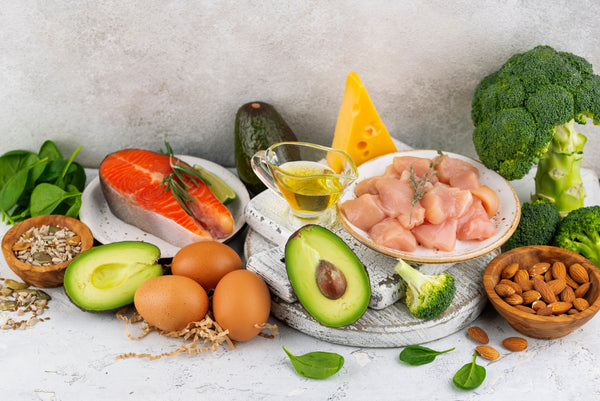
Whole protein foods for muscle building like legumes, eggs, dairy, tofu, seeds, nuts, and lean meats form the foundation. But many people struggle to reach optimal intake daily, especially during busy schedules, fat-loss phases, or high training volumes.
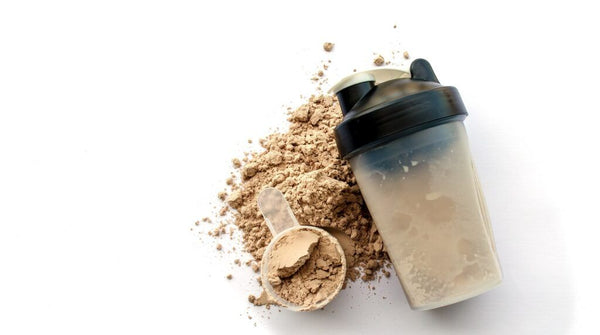
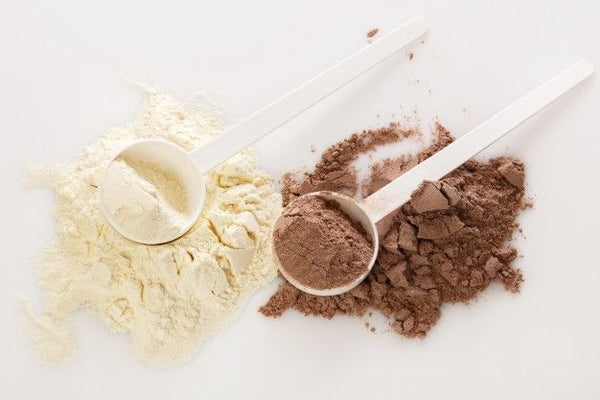
That’s where protein powders play a strategic role.
Not as replacements for meals, but as precision tools.
-
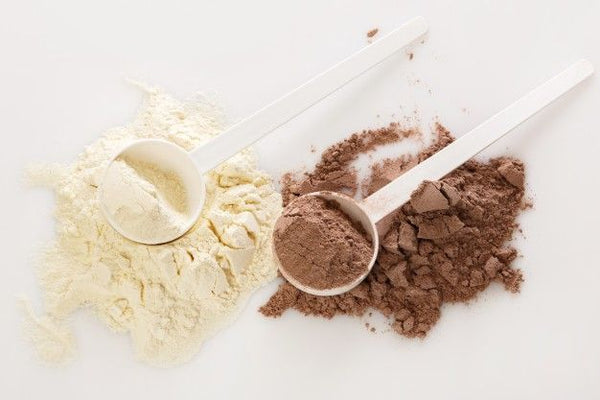
Whey protein delivers fast-digesting amino acids that rapidly stimulate muscle-building pathways
-
Whey isolate provides higher protein concentration with minimal lactose or fat
-
Whey concentrate retains more natural bioactive compounds
-
Plant protein blends combine sources like pea and rice to create complete amino acid profiles for dairy-free lifestyles
Used post-workout or between meals, these help maintain positive protein balance, especially when appetite or time is limited. But you don’t build muscle during training, you build it when amino acids meet recovery. Once you understand this, the timeline of growth becomes clearer.
The Real Timeline of Muscle Growth
Let’s set realistic expectations. Muscle grows in biological phases, not overnight.
Weeks 1–2: Early strength gains come from your nervous system, not new muscle. Your brain gets better at activating existing fibres, making movements smoother and muscles feel firmer.
Weeks 3–4: Muscle protein synthesis begins to exceed breakdown. This is when your body switches into building mode and early fibre thickening starts beneath the surface.
Weeks 6–8: Visual changes appear. Muscle fibres hold more glycogen and water, clothes fit differently, posture improves, and definition becomes noticeable.
Weeks 8–12+: True hypertrophy sets in. Muscle density increases, strength climbs steadily, and your body adapts to carrying more lean mass.
So, when people ask how long it takes to build muscle, the answer depends on training quality, recovery, protein intake, stress, and genetics. Small daily deposits create visible results over time.
Why Most Adults Lose Muscle Without Realising It
You don’t need extreme dieting or bed rest to lose muscle. Subtle habits do the damage:
-
Skipping protein-rich breakfasts
-
Relying only on cardio
-
Sitting for prolonged hours
-
Under-eating during weight loss
-
Ignoring recovery
Over time, this leads to gradual atrophy. That’s why conversations around how to lose muscle mass should really be reframed as how to prevent unintentional muscle loss. The formula is simple but powerful:
-
Progressive resistance training: This provides the mechanical signal your muscles need to grow, gradually forcing fibres to adapt by becoming thicker and stronger.
-
Consistent protein intake: This supplies the amino acids required for muscle repair and rebuilding, keeping muscle protein synthesis higher than breakdown.
-
Deep sleep: This is when growth hormone peaks and tissue repair accelerates, turning your workouts into actual muscle.
-
Stress regulation: Lower cortisol protects muscle tissue and allows recovery pathways to stay active instead of shifting your body into breakdown mode.
These signals tell your body that muscle is still valuable. Without them, breakdown quietly takes over.
Final Thought
Muscle growth is patient. Muscle loss is opportunistic. If you want lasting strength, energy, and resilience, think in systems, not shortcuts.
Train regularly, prioritise protein foods for muscle building and use protein powders intelligently when life gets busy. Because your body is always listening. And every day, it decides whether to build or break.
FAQs
1. How long does it take to build muscle?
Most people begin seeing early strength gains within 2–3 weeks, but visible muscle growth usually takes 8–12 weeks of consistent resistance training paired with adequate protein intake. True hypertrophy develops gradually over months, not days.
2. How many days does it take to build muscles?
There’s no fixed number of days. Muscle is built through repeated recovery cycles. Every workout, protein-rich meal, and night of quality sleep contributes to growth over time.
3. How long does it take for muscles to grow noticeably?
For most beginners, noticeable changes appear around weeks 6–8, when muscle fibres start thickening and storing more glycogen and water. By 8–12 weeks, muscles typically look fuller and firmer.
4. How quickly do you start losing muscle?
Muscle protein synthesis can decline after just 7–10 days of inactivity. By two weeks, measurable muscle loss may begin, especially if protein intake drops, making losing muscle faster than most people expect.
5. How to lose muscle mass unintentionally?
Muscle loss often happens due to low protein intake, lack of resistance training, chronic stress, poor sleep, or prolonged sitting. These everyday habits quietly signal your body to break down muscle.
6. Do protein powders really help with muscle building?
Yes. Protein powders like whey protein, whey isolate, whey concentrate, and plant protein provide fast, convenient amino acids that support muscle protein synthesis, especially when whole food intake falls short.
7. What are the best protein foods for muscle building?
Whole foods such as eggs, dairy, legumes, tofu, nuts, seeds, and lean meats form the foundation. When needed, protein powders can bridge nutritional gaps and help maintain a positive protein balance.

Recommended Products
 Whey Protein Concentrate 27g | 1kg | 4B CFU Probiotics | Unflavoured
₹4,749 – ₹9,498
Whey Protein Concentrate 27g | 1kg | 4B CFU Probiotics | Unflavoured
₹4,749 – ₹9,498
 Whey Protein Isolate + Concentrate 24g | 1kg | 4B CFU Probiotics | Mango Flavoured
₹6,174 – ₹12,348
Whey Protein Isolate + Concentrate 24g | 1kg | 4B CFU Probiotics | Mango Flavoured
₹6,174 – ₹12,348
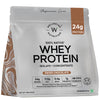 Whey Protein Isolate + Concentrate 24g | 1kg | 4B CFU Probiotics | Swiss Chocolate
₹6,174 – ₹12,348
Whey Protein Isolate + Concentrate 24g | 1kg | 4B CFU Probiotics | Swiss Chocolate
₹6,174 – ₹12,348
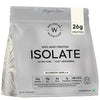 Whey Protein Isolate 26g | 1kg | 4B CFU Probiotics | Bourbon Vanilla
₹7,599 – ₹15,199
Whey Protein Isolate 26g | 1kg | 4B CFU Probiotics | Bourbon Vanilla
₹7,599 – ₹15,199
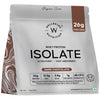 Whey Protein Isolate 26g | 1kg | 4B CFU Probiotics | Dark Chocolate
₹7,599 – ₹14,724
Whey Protein Isolate 26g | 1kg | 4B CFU Probiotics | Dark Chocolate
₹7,599 – ₹14,724
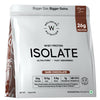 Whey Protein Isolate 26g | 2kg | 4B CFU Probiotics | Dark Chocolate
₹14,724 – ₹29,448
Whey Protein Isolate 26g | 2kg | 4B CFU Probiotics | Dark Chocolate
₹14,724 – ₹29,448
 Whey Protein Isolate 31g | 1kg | 4B CFU Probiotics | Unflavoured
₹7,599 – ₹14,724
Whey Protein Isolate 31g | 1kg | 4B CFU Probiotics | Unflavoured
₹7,599 – ₹14,724
 Whey Protein Isolate 31g | 2kg | 4B CFU Probiotics | Unflavoured
₹14,724 – ₹29,448
Whey Protein Isolate 31g | 2kg | 4B CFU Probiotics | Unflavoured
₹14,724 – ₹29,448
 Her Superfood Plant Protein | Chocolate Peanut Butter
₹1,529 – ₹3,058
Her Superfood Plant Protein | Chocolate Peanut Butter
₹1,529 – ₹3,058
 Superfood Plant Protein | British Banoffee Pie
₹1,529 – ₹3,058
Superfood Plant Protein | British Banoffee Pie
₹1,529 – ₹3,058
 Plant Protein 22g | 500g | 3B CFU Probiotics | Belgian Dark Chocolate
₹1,529 – ₹3,058
Plant Protein 22g | 500g | 3B CFU Probiotics | Belgian Dark Chocolate
₹1,529 – ₹3,058