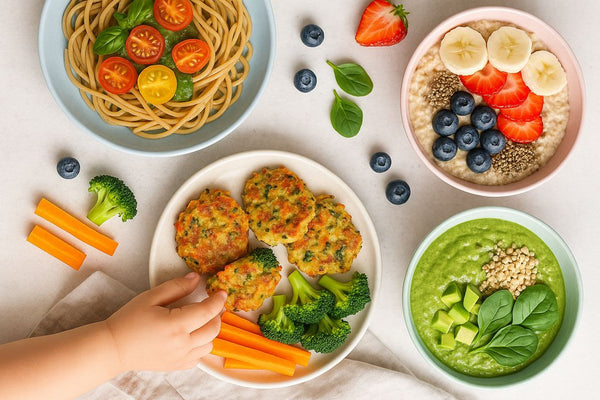
Every parent wants their child to grow stronger, sharper, and more resilient with each passing year. Yet one nutrient often underestimated in everyday meals is protein. Beyond just growth spurts, protein shapes muscle development, supports immunity, fuels brain function, and keeps energy levels steady through school days and playtime.
Building a child’s plate with the right protein rich food for kids does not require complicated recipes or excessive supplements. It starts with understanding what protein does, how much children need, and which foods fit naturally into their daily routine.
Signs Your Child May Need More Protein
Every child is different, but some signals include:
-
Low energy or frequent fatigue
-
Poor muscle tone
-
Slow recovery from illness
-
Difficulty concentrating
If these signs persist, reviewing protein intake is a practical first step.
How Much Protein Do Kids Need Daily?
Protein is the structural foundation of the body. In children, it supports:
-
Growth of muscles, bones, skin, and hair
-
Brain development and neurotransmitter function
-
Strong immunity demonstrate by antibodies and enzymes
-
Steady energy and reduced mid-day fatigue
Children are in a constant state of building and repair. Without adequate protein, even a calorie-sufficient diet can fall short nutritionally.
Protein requirements vary by age, activity level, and growth phase.
On average:
-
School-age children need roughly 0.9 to 1 g of protein per kg body weight
-
Active children or those going through growth spurts may need slightly more
The key is not just quantity, but quality and distribution across meals.
Best Protein Rich Foods for Kids
1. Milk and Dairy Products

Milk, curd, paneer, and cheese are among the most easily accepted protein rich food for kids. They provide complete proteins containing all essential amino acids.
-
Paneer cubes in lunchboxes
-
Curd with fruits or rice
-
Cheese added sparingly to meals
Dairy proteins are particularly useful for muscle and bone development due to their calcium and vitamin B12 content.
2. Eggs for Non-Vegetarian Families

Eggs are a gold standard protein source. They are affordable, versatile, and highly bioavailable.
-
Boiled eggs for snacks
-
Omelettes with vegetables
-
Egg-based sandwiches
Egg protein supports brain development due to its choline content.
3. Protein Rich Food for Vegetarians

For vegetarian households, protein diversity becomes important. Several plant-based options can meet daily needs when combined well.
Some effective protein rich food for vegetarians include:
-
Lentils like moong, masoor, and toor dal
-
Chickpeas, rajma, and black chana
-
Soybeans and tofu
Combining legumes with grains improves amino acid balance, making plant proteins more effective.
4. Protein Rich Food Veg Options Kids Enjoy

Children often prefer familiar textures and flavors. Some kid-friendly protein rich food veg ideas include:
-
Paneer bhurji or paneer rolls
-
Dal paratha or stuffed rotis
-
Sprouted moong chaat with mild seasoning
Presentation and consistency matter as much as nutrition when it comes to kids.
5. Nuts and Seeds in Moderation

Almonds, peanuts, cashews, pumpkin seeds, and sunflower seeds add both protein and healthy fats.
-
Nut powders mixed into porridge
-
Peanut butter on toast
-
Seed blends added to smoothies
For younger children, powdered or paste forms reduce choking risk.
6. Whole Grains That Add Protein

Grains are not protein powerhouses, but they contribute meaningfully when paired with other foods.
-
Oats
-
Quinoa
-
Millets like ragi and jowar
Quinoa, in particular, contains all essential amino acids and works well in kid-friendly bowls and pulaos.
Making Protein Part of Every Meal
Rather than focusing on one high-protein meal, aim for steady intake across the day:
-
Breakfast with milk, nuts, or eggs
-
Lunch with dal, paneer, or curd
-
Evening snacks with sprouts or nut butters
-
Dinner with balanced grains and legumes
This approach supports better digestion and sustained energy.
When Food Alone May Not Be Enough
Picky eating, poor appetite, growth spurts, or busy schedules can make it challenging to meet protein needs consistently. This is where a carefully formulated protein powder for kids can support daily intake without replacing real food.
It is important to choose a clean, age-appropriate option rather than adult-focused protein powder products that may be too concentrated or poorly balanced for children.
Kids Nutrition Powder Support
There are phases when children eat well and phases when they do not. Growth spurts, school stress, picky eating, or busy mornings can create small nutritional gaps, even in otherwise balanced diets. In such moments, a thoughtfully designed kids nutrition powder can offer steady nutritional support without replacing real food.
Wellbeing Nutrition Kids Superfuel is formulated for children aged 7 years and above with a focus on everyday nourishment rather than excess. Each scoop delivers 9 g milk protein along with 23 essential vitamins and minerals, supporting growth and daily energy needs. The addition of probiotics and prebiotic fiber helps maintain digestion and nutrient absorption, while the absence of refined sugar keeps intake clean and balanced.
With nutrients such as Natural Vitamin D3, Vegan Omega-3, Methylated B-Vitamins, and Colostrum, it supports brain development, immunity, and overall growth in a way that fits naturally into a child’s routine. Available in creamy vanilla and milky chocolate, it blends easily into breakfast or works as a light between-meal option, complementing regular meals rather than competing with them.
Common Protein Mistakes Parents Make
Even well-meaning parents sometimes miss the mark. Common issues include:
-
Relying only on carbs for satiety
-
Offering protein only at dinner
-
Using adult protein powders for children
-
Ignoring gut health and digestion
Balanced nutrition works best when protein is paired with fiber, healthy fats, and micronutrients.
Building a Strong Foundation Through Food
Protein is not about building bulk. For children, it is about building resilience, focus, and strength from the inside out. By choosing the right protein rich food for kids, exploring smart vegetarian options, and supporting nutrition with clean supplements when needed, parents can create a daily diet that truly supports growth.
Consistency matters more than perfection. Small, thoughtful additions each day can make a lasting difference in how children grow, learn, and thrive.
FAQs
1. Why is protein important in a child’s daily diet?
Protein supports growth, muscle development, immunity, and brain function. It helps children stay energetic, focused, and resilient as their bodies grow and repair daily.
2. How much protein does a child need every day?
Most school-age children need about 0.9 to 1 g of protein per kg of body weight. Needs may increase during growth spurts or high physical activity.
3. What is the best protein rich food for kids?
Milk, curd, paneer, eggs, lentils, and legumes are excellent options. A mix of animal and plant sources ensures better amino acid balance.
4. Can vegetarian children get enough protein?
Yes. A combination of lentils, beans, dairy, nuts, seeds, and whole grains provides sufficient protein when included consistently.
5. What are some protein rich food veg options kids enjoy?
Paneer dishes, dal parathas, curd bowls, sprouts chaat, and nut butters are popular and easy to include in everyday meals.
6. Is protein powder for kids safe?
Protein powder for kids can be safe when it is age-appropriate, clean-label, and used to complement meals rather than replace whole foods.
7. How is protein powder for kids different from adult protein powder?
Kids formulas are balanced for growth, digestion, and nutrient needs, while adult protein powder may be too concentrated or lack essential micronutrients for children.
8. When should parents consider a kids nutrition powder?
It can help during picky eating phases, poor appetite, growth spurts, or busy routines when meeting daily nutrition through food alone becomes difficult.
9. Can too much protein be harmful for children?
Excessive protein without balance may strain digestion. The focus should always be on age-appropriate intake and overall diet quality.
10. How can parents spread protein intake across the day?
Including protein at breakfast, lunch, snacks, and dinner supports better absorption, sustained energy, and steady growth throughout the day.

Recommended Products
 Kids Superfuel | Creamy Vanilla | Nutrition Mix
₹759 – ₹1,518
Kids Superfuel | Creamy Vanilla | Nutrition Mix
₹759 – ₹1,518
 Kids Superfuel | Milk Chocolate | Nutrition Mix
₹759 – ₹1,518
Kids Superfuel | Milk Chocolate | Nutrition Mix
₹759 – ₹1,518