Every parent wants their child to grow up healthy, energetic, and sharp but figuring out the right approach to nutrition for kids can feel like navigating a maze. With conflicting advice online, picky eating, and busy schedules, it’s easy to wonder: “Am I giving my child enough?”
Here’s a practical, science-backed guide to good nutrition for kids, designed to help you make confident choices and give your child a strong foundation for life.
1. Focus on Balanced, Real Food First

The first rule of kids nutrition is simple: real, minimally processed foods should form the core of their diet. Prioritize:
-
Proteins: Eggs, lean meats, fish, lentils, beans; essential for muscle development and tissue repair.
-
Healthy fats: Avocado, nuts, seeds, olive oil, fatty fish; crucial for brain development and sustained energy.
-
Complex carbs: Oats, quinoa, brown rice, whole-grain bread; provide long-lasting fuel for busy little bodies.
-
Fruits & vegetables: Aim for a rainbow of colors to pack in vitamins, antioxidants, and fiber.
Pro parent tip: Kids eat with their eyes first! Make meals fun and visually appealing, mix colors, shapes, and textures. A plate full of vibrant, varied foods encourages curiosity and reduces mealtime battles, while gently introducing new flavors without pressure.
2. Prioritize Micronutrients That Matter

Even the best meals can leave gaps in essential vitamins and minerals. Key nutrients often missing in children’s diets include:
-
Iron supports energy, focus, and healthy blood
-
Zinc essential for immunity, growth, and wound healing
-
Vitamin D crucial for strong bones and teeth, as well as immune support
-
B vitamins support metabolism, brain function, and energy production
-
Calcium builds strong bones and teeth, and supports muscle function
-
Magnesium helps with muscle and nerve function, and supports sleep quality
-
Vitamin A important for vision, immunity, and skin health
-
Vitamin C boosts immunity and helps the body absorb iron
-
Iodine is essential for healthy thyroid function and cognitive development
-
Omega-3 fatty acids (DHA & EPA) are critical for brain development, focus, and eye health
Actionable advice: Keep a nutrition journal for kids to log meals and identify gaps. For example, if leafy greens or fish are rarely eaten, you can adjust meals or consider a high-quality nutrition drink for kids to fill the gap.
3. Use Nutrition Drinks Strategically

High-quality nutrition drinks for kids are meant to complement real food, not replace it. When used correctly, they ensure children get the nutrients they need on busy days.
Tips for parents:
-
Serve during rushed mornings when a full breakfast isn’t possible
-
Offer as a post-school snack or pre-sports boost
-
Choose natural, well-formulated drinks with protein, vitamins, and minerals
This approach supports growth, immunity, and energy, without turning every meal into a struggle.
4. Build Healthy Habits Early

Developing healthy eating habits now pays off for life. Kids who learn to enjoy wholesome foods early are more likely to carry those habits into adulthood.
Parent advice:
-
Let kids help pick and prep meals, they’ll be more invested in eating what they make
-
Introduce new foods alongside familiar favorites
-
Keep mealtime positive, avoid forcing or punishing
-
Model healthy eating yourself; kids naturally imitate parents
5. Focus on Hydration and Smart Snacking

Hydration and snacks are an important part of good nutrition for kids.
-
Water should be the go-to drink; limit sugary beverages
-
Snacks can be nutritious, think fruits, nuts, yogurt, or a nutrition drink for kids
-
Maintain regular meal and snack times to stabilize energy and mood
Pro tip: Pair snacks with learning or activity like fruit before homework to reinforce healthy routines.
6. Choose Supplements and Drinks Wisely

When filling nutrient gaps, quality matters. High-quality nutrition vitamins for kids or nutrition drinks for kids should be natural, well-balanced, and designed for growth and immunity.
Wellbeing Nutrition Kids Superfuel is parent-approved for exactly this reason:

-
Comprehensive nutrient support: Delivers 30 essential growth nutrients including high‑quality milk protein, 23 vitamins and minerals, vegan Omega‑3 DHA, immune‑boosting colostrum, and bone‑strengthening calcium with vitamin D3 and K.
-
Gut and digestion support: Includes probiotics and prebiotic fiber to nourish friendly gut bacteria, support digestion, and enhance nutrient absorption, key for overall wellbeing.
-
Brain, immunity & growth synergy: Omega‑3 DHA, methylated B‑vitamins, selenium, vitamins C & E contribute to cognitive development, immunity, and energy metabolism for school‑aged children.
-
Kid‑approved taste: Available in delicious Milky Chocolate and Creamy Vanilla flavours, making daily nutrition drinks for kids something they look forward to.

A product like this doesn’t just fill gaps, it supports everyday energy, immunity, digestion, bone health, cognitive focus, and growth in a clean, science‑backed way.
7. Make Nutrition Fun and Trackable
Kids respond best to games and challenges. Turning meals into a fun learning experience helps them take ownership of their nutrition.
Actionable ideas:
-
Keep a nutrition journal for kids to log fruits, veggies, water, and protein intake
-
Reward milestones with non-food incentives like extra playtime or stickers
-
Review the journal weekly with your child to celebrate progress
-
Encourage curiosity, let them taste, compare, and learn about foods
The Final Takeaway
Good nutrition for kids isn’t about perfection, it’s about consistency, balance, and smart choices. By focusing on real, colorful foods, tracking essential nutrients, and using high-quality nutrition drinks for kids when needed, you can support your child’s growth, immunity, and cognitive development every day.
Encouraging healthy habits, involving your child in meals, and making nutrition fun with tools like a nutrition journal for kids creates lasting, positive routines.
At the end of the day, it’s not just about feeding your child, it’s about empowering them to thrive, build strong foundations, and enjoy a healthier, more confident tomorrow.
FAQs
1. What is the best nutrition for kids to support growth and immunity?
The best nutrition for kids includes a balanced mix of proteins, healthy fats, complex carbs, fruits, and vegetables. Including essential vitamins and minerals like iron, calcium, vitamin D, B vitamins, zinc, and omega-3s ensures proper growth, strong bones, and a robust immune system.
2. How can I make sure my child gets all essential nutrients daily?
Use a combination of real, minimally processed foods and high-quality nutrition vitamins for kids. Tracking meals with a nutrition journal for kids helps identify gaps.
3. Are nutrition drinks for kids necessary if they eat healthy meals?
While whole foods should always be the priority, busy schedules or picky eating can lead to nutrient gaps. High-quality nutrition drinks for kids complement meals by filling these gaps with vitamins, minerals, protein, and Omega-3s without added sugar or artificial ingredients.
4. Which vitamins and minerals are most important for children?
Key nutrients for kids include iron, zinc, vitamin D, calcium, magnesium, vitamin A, vitamin C, iodine, B vitamins, and omega-3 fatty acids (DHA & EPA). These support energy, brain development, immunity, bone health, and overall growth.
5. How can I encourage my child to eat healthy foods consistently?
Involve children in meal prep, make plates visually appealing with colorful fruits and vegetables, introduce new foods gradually, and create fun challenges. Using a nutrition journal for kids can turn eating into a positive, interactive habit.
6. How do I choose a safe and effective nutrition drink for kids?
Look for drinks that are 100% natural, sugar-free, and free from artificial additives, with a well-balanced profile of protein, vitamins, minerals, and Omega-3s. Products like Wellbeing Nutrition Kids Superfuel also include probiotics for digestion and kid-approved flavors to make nutrition enjoyable.
7. Can nutrition drinks replace meals for children?
No. Nutrition drinks for kids are designed to complement meals, not replace them. They provide essential nutrients when meals are rushed or incomplete, ensuring consistent support for growth, immunity, and cognitive development.

Recommended Products
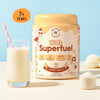 Kids Superfuel | Creamy Vanilla | Nutrition Mix
₹759 – ₹1,518
Kids Superfuel | Creamy Vanilla | Nutrition Mix
₹759 – ₹1,518
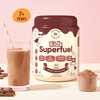 Kids Superfuel | Milk Chocolate | Nutrition Mix
₹759 – ₹1,518
Kids Superfuel | Milk Chocolate | Nutrition Mix
₹759 – ₹1,518