7 Best Vegan Protein Powders for Peak Performance
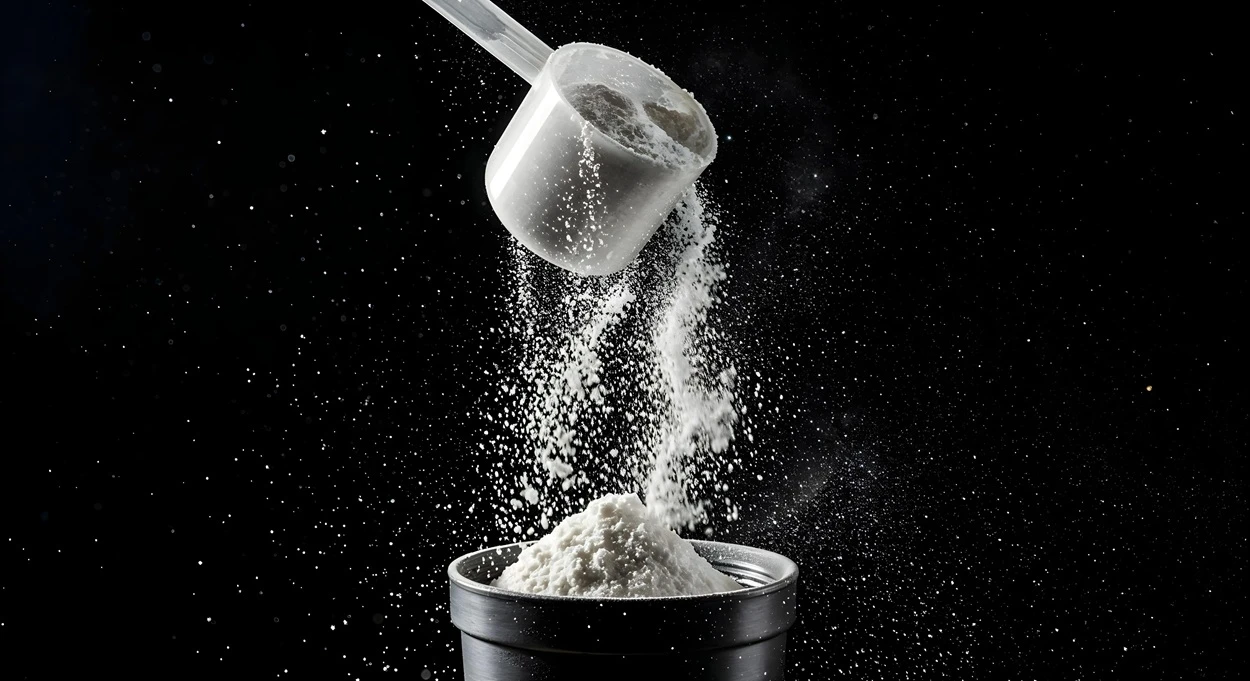


Plant-based nutrition has transformed from a niche dietary choice to a mainstream movement, with athletes and fitness enthusiasts increasingly turning to vegan protein powders for their nutritional needs. These innovative supplements offer a powerful combination of muscle-building amino acids, digestive benefits, and environmental sustainability that traditional protein sources often cannot match.
Whether you're a dedicated vegan, lactose intolerant, or simply exploring cleaner nutrition options, understanding the landscape of plant-based protein can significantly impact your fitness journey. This comprehensive guide will walk you through the top plant based protein powder options, helping you make an informed decision that aligns with your performance goals and dietary preferences.
The shift toward plant-based protein represents more than just a dietary trend. Vegan protein powders offer distinct advantages that make them increasingly popular among health-conscious individuals and serious athletes alike.
Environmental sustainability stands as one of the most compelling reasons to choose plant-based options. Producing vegan protein requires significantly less water, land, and energy compared to animal-based alternatives, making it an eco-friendly choice for environmentally conscious consumers.
From a digestive standpoint, vegan supplements provide notable benefits. These formulations are naturally lactose-free, eliminating the bloating and digestive discomfort that many people experience with dairy-based proteins. The plant-based nature often results in easier absorption and gentler processing by the digestive system.
Nutritionally, modern vegan protein powders have evolved to provide complete amino acid profiles when properly formulated. They typically contain lower saturated fat content and are completely cholesterol-free, supporting cardiovascular health while delivering the protein your muscles need for recovery and growth.
The foundation of any quality vegan protein powder lies in its source ingredients. Each
brings unique nutritional advantages and characteristics that cater to different fitness goals and dietary needs.
Pea protein stands out for its exceptional branched-chain amino acid (BCAA) content, particularly leucine, which plays a crucial role in muscle protein synthesis. This makes it an excellent choice for athletes focused on muscle recovery and growth. Its neutral taste and smooth texture make it highly versatile for various applications.
Brown rice protein offers a hypoallergenic alternative that's gentle on sensitive digestive systems. While it may be lower in lysine compared to other sources, it provides excellent digestibility and a clean, mild flavor profile that works well in both sweet and savory applications.
Soy protein delivers a complete amino acid profile that closely matches the body's needs. However, it's important to choose non-GMO, organic sources to avoid potential concerns about processing and hormonal effects. When sourced properly, soy protein offers excellent bioavailability and muscle-building potential.
Hemp protein brings additional nutritional value through its omega-3 fatty acid content and natural fiber. While lower in total protein concentration, it provides a well-rounded nutritional profile that supports overall health beyond just muscle building.
Did You Know?
Combining different plant-based protein sources can create a more complete amino acid profile than many single-source animal proteins. A blend of pea and rice protein in a 70:30 ratio closely mimics the amino acid composition of whey protein.
Selecting the best vegan protein powder requires understanding how different formulations serve specific fitness goals and lifestyle needs. Here are seven categories that represent the pinnacle of plant-based protein innovation.
Multi-source protein blends combine the strengths of various plant proteins to create superior amino acid profiles. These formulations typically feature pea and rice protein as primary ingredients, often enhanced with hemp, chia, or other complementary sources. Look for products that provide 20-25 grams of protein per serving with minimal added sugars.
For serious athletes prioritizing muscle recovery, high-BCAA pea protein isolates offer exceptional value. These products focus on maximizing leucine, isoleucine, and valine content to support post-workout recovery and muscle protein synthesis.
Sprouted protein powders undergo a germination process that enhances nutrient absorption and reduces potential digestive irritants. These formulations often include digestive enzymes to further support comfortable digestion and optimal nutrient utilization.
Coffee-infused vegan protein powders combine the benefits of plant-based protein with natural caffeine for pre-workout energy. These products eliminate the need for separate supplements while providing sustained energy and protein for morning training sessions.
Clear vegan protein powders offer a refreshing alternative to traditional creamy textures. These innovative formulations provide complete protein nutrition in a light, juice-like consistency that's perfect for those who prefer lighter post-workout options.
Single-source proteins like pure pea or rice protein offer excellent value for budget-conscious consumers. While they may require combining with other protein sources throughout the day, they provide quality nutrition at an accessible price point.
Premium organic formulations combine multiple certified organic protein sources with superior ingredients, highly absorbable formats, and palatable flavors. These products often include additional superfoods, probiotics, or adaptogens for comprehensive nutritional support.
Effective muscle recovery with vegan protein requires strategic timing and proper formulation understanding. Plant based proteins can be just as effective as animal-based options when used correctly.
Post-workout protein consumption within 30-60 minutes optimizes muscle protein synthesis. Vegan protein powders with enhanced digestibility and absorption can provide rapid amino acid delivery to working muscles, supporting efficient recovery processes.
The key lies in ensuring adequate leucine intake, as this amino acid triggers muscle protein synthesis. Quality vegan protein formulations address this by combining complementary protein sources or using concentrated pea protein isolates with naturally high leucine content.
Research indicates that consuming 20-30 grams of high-quality plant protein post-workout can stimulate muscle protein synthesis rates comparable to whey protein. The addition of digestive enzymes in many vegan formulations can further enhance absorption and utilization.
Selecting the optimal vegan protein powder depends on your specific fitness objectives, dietary restrictions, and lifestyle preferences. Understanding these factors will guide you toward the most suitable option.
Choose protein powders with higher fiber content and minimal added sugars. The natural fiber in plant proteins promotes satiety and supports healthy digestion, making them excellent for weight management goals.
Focus on high protein concentration products with complete amino acid profiles. Look for formulations providing 25+ grams of protein per serving with enhanced BCAA content, particularly leucine.
Endurance athletes benefit from protein powders that provide sustained energy release. Hemp protein or multi-source blends with natural carbohydrates can support both immediate and long-term energy needs.
Third-party testing ensures product purity and potency. Look for certifications like NSF Sport, Informed Sport, or similar quality assurance programs. Organic certifications indicate cleaner sourcing and processing methods.
Yes, vegan protein powders offer complete nutrition beyond just protein, including fiber for digestive health, iron, magnesium, and omega-3 fatty acids that support overall wellness and functional health. They provide essential amino acids while being easier to digest than many animal-based options.
The best vegan protein powder depends on your specific goals. For muscle building, look for high BCAA content like pea protein. For digestive health, choose sprouted blends. For convenience, multi-source combinations offer complete amino profiles with superior ingredients, highly absorbable formats, and palatable flavors.
Pea and hemp protein are excellent for hormone balance. Hemp protein's fatty acid content supports hormone production, while sprouted pea protein offers enhanced nutrient absorption without hormonal disruption that some people experience with soy-based products.
Generally 20-30 grams per serving, 1-2 times daily, depending on your total protein needs and dietary intake. Active individuals may require higher amounts, while those with adequate dietary protein may need less supplementation.
Yes, plant-based proteins often contain fiber that promotes satiety and can boost metabolism, supporting weight management goals. The thermic effect of protein also increases calorie burning during digestion and absorption.
Vegan protein powders have evolved into sophisticated nutritional tools that rival traditional protein sources in effectiveness and surpass them in digestibility and environmental impact. From high-BCAA pea protein isolates to comprehensive multi-source blends, these plant-based options provide complete amino acid profiles that support muscle recovery, athletic performance, and overall health goals. The key to success lies in choosing formulations that align with your specific needs, whether that's muscle building, weight management, or general wellness support. As the science behind plant-based nutrition continues to advance, these supplements offer an increasingly compelling option for anyone seeking clean, effective protein supplementation that supports both personal health and environmental sustainability.




Someone sent you
Powered by ReferRush


