7 Pro Tips for Ultimate Joint Recovery After Workouts


Your joints bear the brunt of every squat, sprint, and deadlift. While pushing your limits builds strength and endurance, it also places significant stress on the connective tissues that keep you moving. Understanding how to optimize joint recovery after workouts isn't just about feeling better tomorrow—it's about maintaining peak performance and preventing long-term damage that could sideline your fitness journey.
This comprehensive guide reveals seven science-backed strategies that elite athletes and fitness professionals use to accelerate healing, reduce inflammation, and maintain optimal joint health. You'll discover practical techniques for post workout recovery, evidence-based nutrition strategies, and professional insights that can transform how your body responds to intense training.
When you exercise, your joints experience mechanical stress that triggers a complex biological response. High-intensity training creates microscopic damage in cartilage, tendons, and ligaments—a normal part of the adaptation process. However, this stress also initiates an inflammatory cascade that, if not properly managed, can lead to prolonged soreness and reduced mobility.
Research published in sports medicine journals shows that intense exercise increases inflammatory markers like C-reactive protein and interleukin-6 in synovial fluid. This inflammatory response serves a purpose—it signals the body to begin repair processes. But without proper recovery protocols, chronic inflammation can develop, leading to joint degradation and increased injury risk.
The connective tissue repair process requires adequate time, nutrition, and specific recovery strategies. Cartilage, which lacks direct blood supply, relies on movement and compression to receive nutrients through synovial fluid circulation. This is why complete rest isn't always the answer for joint pain relief.
Certain joints bear more stress during exercise and are more susceptible to post-workout discomfort. The knees, shoulders, and hips are particularly vulnerable due to their complex structure and the forces they must absorb during training.
Knee joints experience forces up to eight times body weight during activities like jumping and running. The shoulder joint, while highly mobile, sacrifices stability for range of motion, making it prone to impingement and inflammation. Hip joints must balance mobility with stability while supporting the entire upper body during movement.
Understanding the difference between normal post-exercise soreness and concerning joint pain is crucial. Normal soreness typically peaks 24-48 hours after exercise and gradually subsides. Joint pain that persists beyond 72 hours, occurs during rest, or is accompanied by swelling and stiffness may indicate the need for modified training or professional evaluation.
A strategic cool-down routine is your first line of defense against joint stiffness and prolonged recovery. Dynamic stretching immediately after exercise helps maintain joint range of motion while your muscles are still warm and pliable.
Focus on mobility exercises that target the specific joints you've stressed during your workout. For lower body sessions, incorporate hip circles, leg swings, and gentle spinal twists. Upper body workouts benefit from arm circles, shoulder rolls, and thoracic spine mobility work.
Foam rolling during your cool-down enhances connective tissue repair by improving blood flow and reducing muscle tension that can pull on joint structures. Spend 30-60 seconds on each major muscle group, applying moderate pressure and moving slowly to allow tissues to respond.
The timing and duration of your cool-down significantly impact its effectiveness for joint recovery after workouts. Begin your cool-down within five minutes of completing your main workout while your core temperature is still elevated and tissues remain pliable.
For moderate-intensity workouts, a 10-15 minute cool-down is sufficient. High-intensity or long-duration sessions may require 20-30 minutes of gradual activity reduction. This extended timeframe allows your cardiovascular system to return to baseline while preventing blood pooling that can contribute to stiffness.
Environmental temperature also plays a role in recovery. Cooler environments may require longer warm-up periods before stretching, while excessive heat can increase inflammation. Aim for a comfortable room temperature that allows you to move freely without overheating.
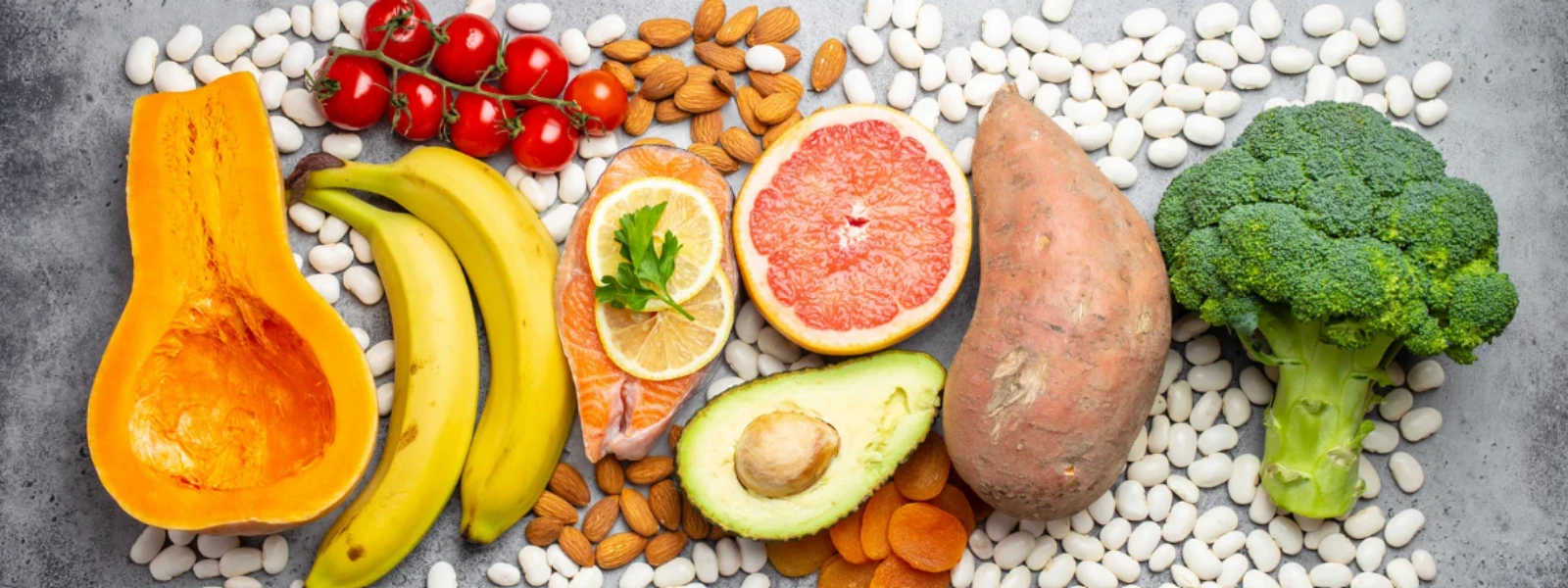
Nutrition plays a pivotal role in managing exercise-induced inflammation and supporting tissue repair. Omega-3 fatty acids, found in fatty fish, walnuts, and flaxseeds, have potent anti-inflammatory properties that can significantly reduce joint pain and stiffness.
Studies demonstrate that consuming 2-3 grams of omega-3s daily can reduce inflammatory markers by up to 30% in active individuals. These essential fats also support the production of specialized pro-resolving mediators—compounds that actively resolve inflammation rather than simply suppressing it.
Antioxidant-rich foods provide additional support for inflammation reduction. Berries, leafy greens, and colorful vegetables contain polyphenols that neutralize free radicals generated during intense exercise. Tart cherry juice has gained particular attention for its ability to reduce exercise-induced inflammation and improve recovery time.
Proper hydration is equally critical for joint health. Synovial fluid, which lubricates joints, is primarily composed of water. Even mild dehydration can reduce synovial fluid production, leading to increased friction and discomfort during movement.
While whole foods should form the foundation of your recovery nutrition, certain muscle recovery supplements can provide targeted support for joint health. Collagen peptides have emerged as a promising option for supporting connective tissue repair and reducing exercise-related joint pain.
Research indicates that consuming 10-15 grams of collagen peptides daily can improve joint comfort and mobility in active individuals. Marine collagen, in particular, offers superior bioavailability and contains the specific amino acid profile needed for cartilage synthesis.
Magnesium supplementation supports muscle relaxation and can help reduce the tension that contributes to joint stiffness. This essential mineral also plays a role in protein synthesis and inflammatory regulation, making it valuable for overall recovery.
Did You Know?
Your joints produce their own natural anti-inflammatory compounds during movement. Light activity within 24 hours of intense exercise can actually accelerate healing by promoting the circulation of these beneficial substances through synovial fluid.
Sleep is when your body performs its most intensive repair work. During deep sleep phases, growth hormone release peaks, driving protein synthesis and tissue regeneration throughout your joints and muscles. Poor sleep quality can extend recovery time by up to 50% and increase inflammatory markers that contribute to joint pain.
The relationship between sleep and inflammation is bidirectional—poor sleep increases inflammatory cytokines, while inflammation can disrupt sleep quality. This creates a cycle that can significantly impair your body's ability to recover from intense training.
Sleep position can also impact joint recovery. Side sleeping with a pillow between the knees helps maintain spinal alignment and reduces hip stress. Back sleeping with a pillow under the knees can alleviate lower back pressure. Avoid stomach sleeping, which can strain the neck and lower back joints.
The choice between active and passive recovery depends on the intensity of your previous workout and your current joint status. Active recovery involves low-intensity movement that promotes circulation without adding significant stress to healing tissues.
Walking, swimming, or gentle yoga can enhance post workout recovery by maintaining joint mobility and promoting nutrient delivery to healing tissues. These activities should feel restorative rather than challenging—aim for 30-50% of your maximum heart rate.
Complete rest becomes necessary when joints show signs of acute inflammation, such as swelling, heat, or severe pain. In these cases, passive recovery techniques like elevation, compression, and gentle heat or cold therapy may be more appropriate.
Temperature therapy is a powerful tool for managing joint pain relief and optimizing recovery, but timing and application method are crucial for effectiveness. Cold therapy is most beneficial immediately after exercise or when acute inflammation is present.
Apply ice or cold packs for 15-20 minutes within the first 2-6 hours after intense exercise. This helps constrict blood vessels, reduce inflammatory cell migration, and numb pain receptors. Avoid applying ice directly to skin—use a thin towel as a barrier to prevent tissue damage.
Heat therapy becomes more beneficial 24-48 hours post-exercise when acute inflammation has subsided. Heat increases blood flow, relaxes muscles, and can help reduce stiffness that develops during the later stages of recovery. Apply heat for 15-20 minutes using warm towels, heating pads, or warm baths.
Contrast therapy, alternating between hot and cold applications, can provide enhanced benefits for sports injury recovery. This technique creates a pumping action in blood vessels that may help clear metabolic waste products and reduce swelling.
A typical contrast therapy protocol involves 3-4 minutes of heat followed by 1 minute of cold, repeated 3-4 times. End with cold to minimize any rebound inflammation. This method is particularly effective for chronic joint issues or when returning to activity after a rest period.
Cryotherapy and infrared sauna represent more advanced temperature therapy options. While these modalities can be beneficial, they're not necessary for effective recovery—simple ice packs and warm baths can provide similar benefits when used correctly.
Different joints require specific attention based on their structure and the stresses they encounter during exercise. Shoulder mobility is particularly important for athletes involved in overhead activities. Focus on gentle arm circles, cross-body stretches, and doorway stretches to maintain range of motion.
Hip mobility affects the entire kinetic chain and is crucial for both upper and lower body function. Hip flexor stretches, pigeon pose variations, and gentle hip circles can help maintain healthy hip function and reduce compensatory stress on the lower back and knees.
Spinal mobility often gets overlooked but is essential for overall joint health. Gentle spinal twists, cat-cow stretches, and thoracic extension exercises help maintain the spine's natural curves and prevent stiffness that can affect movement quality.
Returning to full activity after intense training or minor joint issues requires a graduated approach. Progressive loading allows tissues to adapt gradually while minimizing re-injury risk.
Start with pain-free range of motion exercises before adding resistance. Eccentric exercises, where muscles lengthen under tension, can be particularly beneficial for tendon health and connective tissue repair. These exercises should be performed slowly and with control.
Functional movement patterns that mimic your sport or activity should be the final step in your return-to-activity progression. This ensures that your joints can handle the specific demands they'll face during full training.
Psychological stress significantly impacts physical recovery through its effects on inflammatory pathways and sleep quality. Chronic stress elevates cortisol levels, which can impair tissue repair and increase inflammatory markers throughout the body.
Stress management techniques like deep breathing, meditation, or progressive muscle relaxation can help optimize your body's recovery response. Even 10-15 minutes of daily stress reduction practice can measurably improve recovery outcomes.
Pain perception is also influenced by psychological factors. Catastrophic thinking about joint pain can actually increase pain intensity and delay recovery. Developing a positive but realistic mindset about recovery helps maintain motivation while avoiding overexertion.
Consistency in recovery practices is more important than perfection. Develop a post-workout routine that you can realistically maintain, focusing on the most impactful elements like proper cool-down, hydration, and sleep hygiene.
Track your recovery using subjective measures like joint stiffness, energy levels, and sleep quality. This information helps you identify patterns and adjust your training or recovery protocols accordingly.
Long-term joint health requires lifestyle modifications that extend beyond the gym. Regular movement throughout the day, ergonomic workplace setup, and maintaining a healthy body weight all contribute to joint preservation and optimal function.
While some joint discomfort is normal after intense exercise, certain symptoms warrant professional evaluation. Persistent pain that doesn't improve with rest, swelling that doesn't respond to basic treatment, or any joint instability should be assessed by a healthcare provider.
Joint pain accompanied by fever, redness, or warmth may indicate infection or serious inflammatory conditions requiring immediate medical attention. Similarly, any joint pain that significantly limits daily activities or prevents sleep should be professionally evaluated.
The timeline for seeking help varies, but joint pain persisting beyond one week despite appropriate self-care measures generally warrants professional assessment. Early intervention often leads to better outcomes and shorter recovery times.
Physical therapy offers evidence-based approaches to joint recovery that can accelerate healing and prevent future issues. Therapists can identify movement compensations that contribute to joint stress and provide targeted exercises to address these issues.
Massage therapy can complement your recovery routine by improving circulation, reducing muscle tension, and promoting relaxation. Sports massage techniques specifically target the muscle groups that support joint function.
Alternative treatments like acupuncture and chiropractic care may provide additional benefits for some individuals. While research on these modalities is mixed, many athletes report improved recovery and reduced pain with these approaches.
Normal joint recovery typically takes 24-72 hours depending on workout intensity and individual factors. Mild stiffness should resolve within 24 hours, while more intense sessions may require 48-72 hours for complete recovery. If joint pain persists beyond one week, consider professional evaluation.
Collagen peptides, omega-3 fatty acids, and magnesium show the strongest evidence for supporting joint recovery. Marine collagen provides amino acids essential for cartilage repair, while omega-3s reduce inflammation. Magnesium supports muscle relaxation and can help reduce tension that contributes to joint stiffness.
Light activity with mild joint soreness is generally safe and may actually promote recovery through improved circulation. Avoid high-intensity exercise or movements that increase pain. Listen to your body and reduce intensity if soreness worsens during activity.
Prevent joint stiffness through proper warm-up, adequate cool-down with mobility work, staying hydrated, and maintaining gentle movement in the hours following exercise. Avoid prolonged sitting or inactivity immediately after intense workouts.
Muscle soreness typically feels like a dull ache in the muscle belly and improves with gentle movement. Joint pain is often sharper, located at joint lines, and may worsen with movement. Joint pain accompanied by swelling, stiffness, or instability requires more careful management than typical muscle soreness.
Optimizing joint recovery after workouts requires a comprehensive approach that addresses immediate post-exercise care, nutrition, sleep, and long-term joint health strategies. The seven pro tips outlined here provide a science-based framework for reducing inflammation, accelerating healing, and maintaining the joint health necessary for consistent training and peak performance. Remember that recovery is not a passive process—it requires the same attention and planning as your training program. By implementing these evidence-based strategies consistently, you can minimize downtime, reduce injury risk, and ensure your joints remain healthy and functional throughout your fitness journey. Consider exploring targeted nutritional support and professional guidance to further optimize your recovery protocols and achieve your performance goals.




Someone sent you
Powered by ReferRush


