8 Post-Workout Hydration Secrets Every Athlete Needs
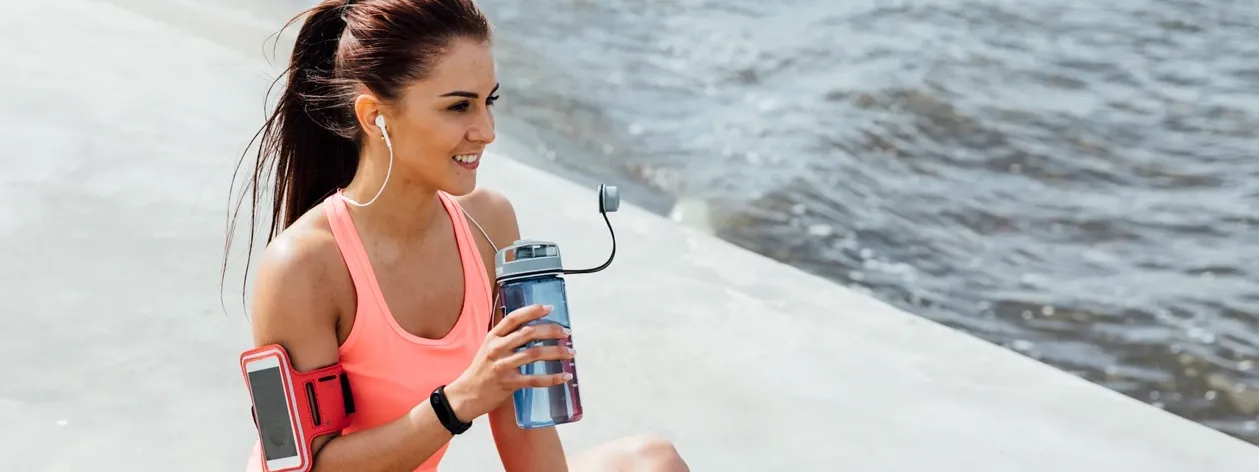


When elite athletes cross the finish line or complete their final rep, their performance doesn't end—it transforms into recovery. While most athletes focus intensely on pre-workout nutrition and training protocols, research reveals that post-workout hydration strategies can determine whether you bounce back stronger or struggle through your next session. Strategic hydration protocols help athletes recover faster and show improved performance markers within 24 hours compared to those using basic water replacement methods.
This comprehensive hydration guide reveals eight evidence-based hydration tips for athletes that go beyond simply drinking water. You'll discover the precise timing, composition, and quantity of fluids needed to optimize recovery, enhance performance, and maintain peak physiological function. From understanding your individual sweat rate to leveraging cutting-edge electrolyte science, these strategies will transform how you approach post-workout hydration and elevate your athletic performance to new levels.
Exercise triggers a complex cascade of physiological changes that extend far beyond simple fluid loss. During intense training, your body temperature rises, triggering responses that can result in sweat rates ranging from 0.5 to 3.0 liters per hour. This depends on environmental conditions and individual factors. This fluid loss isn't just water—it includes critical electrolytes, plasma volume, and cellular hydration that directly impact recovery processes.
Even mild dehydration of 2% body weight can reduce athletic performance by up to 10%. Post-workout dehydration specifically impairs protein synthesis and delays muscle glycogen replenishment. It also extends the inflammatory response period. Understanding these mechanisms helps athletes prioritize strategic rehydration as a performance enhancement tool rather than merely a comfort measure.
Your individual sweat rate serves as the foundation for all effective post-workout hydration strategies. To calculate this critical metric, weigh yourself before and after exercise sessions. Account for fluid intake during training. The formula is: (Pre-exercise weight - Post-exercise weight + fluid intake) ÷ exercise duration = sweat rate per hour.
Multiple variables affect individual sweat rates. These include fitness level, body composition, environmental temperature, humidity, exercise intensity, and genetic factors. Elite endurance athletes typically develop higher sweat rates as an adaptation to training. Environmental conditions can increase fluid losses by 50-100% compared to temperate conditions.
The post-exercise period presents a critical opportunity for accelerated rehydration. Research indicates that the first 30 minutes following exercise represent the "golden window" when cellular uptake mechanisms are most active. During this period, muscle cells demonstrate enhanced glucose and fluid uptake capacity. This makes it the optimal time for strategic hydration interventions.
Effective post-workout hydration extends beyond immediate fluid replacement. A progressive approach involves consuming 150% of fluid losses over the first 6 hours post-exercise. Consume 50% within the first hour. This strategy accounts for ongoing fluid losses through respiration and kidney function while supporting optimal plasma volume restoration.
Not all electrolyte drinks are created equal. Different training modalities require specific electrolyte profiles. Sodium, the primary electrolyte lost in sweat, should be replaced at 300-700mg per hour. This depends on sweat rate and concentration. Potassium, magnesium, and chloride play supporting roles in cellular function and should be included in comprehensive rehydration strategies.
Short-duration, high-intensity sessions (under 60 minutes) typically require different electrolyte concentrations than endurance activities lasting several hours. For sessions under one hour, a lower-sodium solution (200-300mg per 16oz) often suffices. Longer sessions may require higher concentrations and additional electrolytes to match losses. When selecting electrolyte solutions, look for products with superior ingredients, highly absorbable formats, and palatable flavors to ensure consistent use and optimal benefits.
Pro Tip: Create your own electrolyte solution by adding 1/4 teaspoon of high-quality sea salt and a squeeze of fresh lemon to 16 ounces of water. This provides approximately 300mg of sodium plus natural potassium and Vitamin C. It offers a cost-effective alternative to commercial sports drinks while avoiding artificial additives.
Fluid temperature significantly impacts gastric emptying rates and intestinal absorption. Research demonstrates that beverages between 59-72°F (15-22°C) empty from the stomach most rapidly. Ice-cold fluids may actually slow absorption despite feeling refreshing. This temperature range optimizes the balance between palatability and physiological function.
Osmolality refers to the concentration of particles in a solution. It directly affects how quickly fluids move from your digestive system into your bloodstream. Hypotonic solutions (lower osmolality than blood) are absorbed most rapidly. This makes them ideal for quick rehydration. Sports drinks with 6-8% carbohydrate concentration typically achieve optimal osmolality for both hydration and energy replenishment.
Coconut water provides a natural alternative to commercial electrolyte drinks. It contains approximately 600mg of potassium per cup along with naturally occurring sodium, magnesium, and calcium. While lower in sodium than traditional sports drinks, coconut water excels for moderate-intensity training sessions. It offers additional benefits from naturally occurring enzymes and antioxidants.
Research consistently shows that low-fat milk provides superior rehydration compared to water or traditional sports drinks. The combination of casein and whey proteins, natural electrolytes, and optimal fluid retention properties makes milk an excellent post-workout hydration choice. This is particularly true for strength training and mixed-modality workouts.
Thirst is a late indicator of dehydration and shouldn't be relied upon for optimal hydration assessment. Urine color, using a validated 8-point scale, provides a more accurate real-time assessment. Additionally, monitoring morning body weight can reveal chronic dehydration patterns that impact training adaptations and recovery.
Modern wearable technology offers increasingly sophisticated hydration monitoring capabilities. Bioimpedance analysis, heart rate variability patterns, and sweat rate sensors provide objective data to guide individualized hydration strategies. These tools help athletes move beyond guesswork to precision hydration protocols.
Hydration needs vary significantly based on individual physiological factors. Women typically have lower sweat rates but higher sweat sodium concentrations than men. Age-related changes in kidney function and thirst sensitivity require adjusted hydration strategies for masters athletes. Body composition, particularly muscle mass percentage, also influences total body water and hydration requirements.
Heat acclimatization significantly impacts hydration needs and strategies. Athletes training in hot, humid conditions develop improved plasma volume expansion and reduced electrolyte losses over 10-14 days. Seasonal transitions require gradual adaptation of hydration protocols to match changing environmental demands and training locations.
Effective athlete hydration requires a personalized approach based on sweat rate, training demands, environmental conditions, and individual preferences. Start by establishing baseline measurements during typical training sessions. Then adjust protocols based on performance outcomes and recovery markers. Document what works best for different training types and conditions.
Many athletes struggle with gastrointestinal distress, poor palatability, or inadequate fluid retention when implementing new hydration strategies. Address these challenges by gradually introducing new protocols and experimenting with different fluid compositions. Time consumption to match individual tolerance patterns. Consider working with a sports nutritionist to optimize complex hydration needs.
Aim to consume 16-24 ounces of fluid within 30 minutes post-exercise, focusing on replacing 150% of fluid losses over the first 6 hours. Start with 50% of your calculated needs in the first hour, then continue gradual replacement to account for ongoing losses through normal bodily functions.
Sports drinks provide advantages for sessions lasting over 60 minutes or in hot conditions where significant electrolyte losses occur. For shorter, moderate-intensity workouts, water may suffice, but adding a small amount of sodium can improve retention and absorption even in these scenarios.
Yes, excessive water consumption without electrolyte replacement can lead to hyponatremia, a dangerous condition where blood sodium levels become dangerously low. This is why monitoring your sweat rate and replacing both fluids and electrolytes proportionally is crucial for safe rehydration.
Monitor your urine color (should be pale yellow), track your body weight recovery to pre-exercise levels within 6 hours, and assess your energy levels and thirst sensation. Properly hydrated athletes typically feel energetic and experience minimal thirst 2-3 hours post-exercise.
Yes, thirst is not a reliable indicator of hydration status, especially immediately post-exercise. Follow your calculated fluid replacement needs based on sweat losses rather than relying solely on thirst cues, as proper rehydration often requires consuming more fluid than your immediate thirst suggests.
Mastering post-workout hydration represents one of the most impactful yet underutilized strategies for athletic performance enhancement. These eight evidence-based secrets provide a comprehensive framework for optimizing recovery, maintaining peak performance, and supporting long-term athletic development. From calculating your personal sweat rate to leveraging advanced monitoring techniques, each strategy builds upon scientific research to deliver measurable improvements in how your body recovers and adapts to training stress. The key to success lies in personalizing these strategies to match your unique physiological needs, training demands, and environmental conditions. Start by implementing one or two techniques that align most closely with your current training routine, then gradually incorporate additional strategies as they become habitual. Remember that optimal hydration is an ongoing process that requires attention, adjustment, and consistency to deliver its full performance benefits. Your commitment to strategic post-workout hydration will pay dividends in improved recovery, enhanced training capacity, and sustained athletic excellence throughout your competitive career.




Someone sent you
Powered by ReferRush


